Perineal Massage During Pregnancy | Oh Mama Matrona
Have you heard about perineal massage during pregnancy and are you wondering if it can really help you during childbirth? This simple and effective technique is recommended by physiotherapists and midwives to prepare the perineum and reduce the risk of tearing.
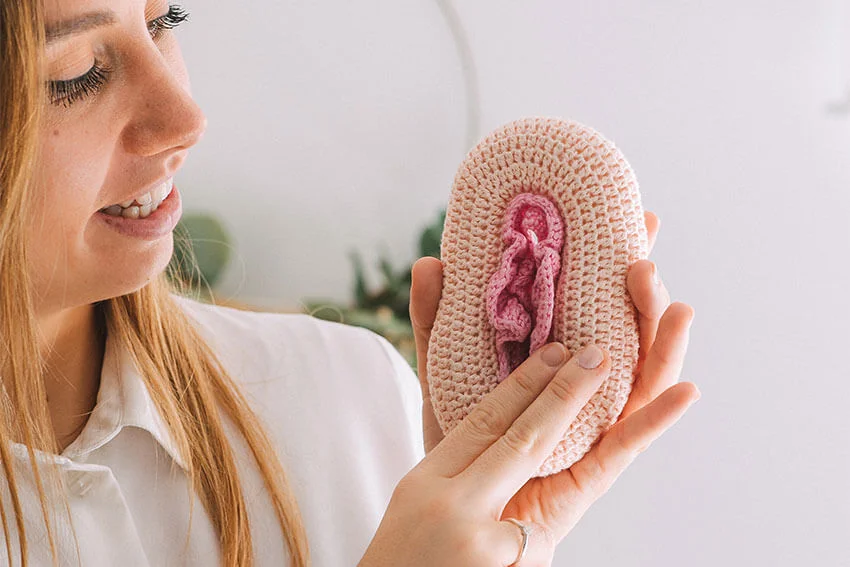
Have you heard about perineal massage during pregnancy and are you wondering if it can really help you during childbirth? This simple and effective technique is recommended by physiotherapists and midwives to prepare the perineum and reduce the risk of tearing.
The pelvic floor is a set of tissues, muscles, and ligaments that support and provide optimal functionality to the internal organs: urethra, bladder, uterus, and rectum.
During pregnancy, it is important to have a strong pelvic floor to prevent dysfunctions such as urinary or fecal incontinence, uncontrolled gas leakage, prolapses (descent of organs), etc.
Physiotherapy (Kegel exercises, for example) can also help you avoid these ailments.
But it is also important for the pelvic floor to be elastic and relaxed for the moment of childbirth. And to achieve this, perineal massage during pregnancy is performed: a self-care tool that can make a difference in your childbirth experience.
Table of Contents
- What is perineal massage and what is it for?
- When to perform perineal massage?
- How to perform perineal massage?
- Advantages of perineal massage during pregnancy
- Contraindications of perineal massage
What is perineal massage and what is it for?
Perineal massage is a manual technique recommended during pregnancy to prepare the body and protect the perineum from the inevitable strain it will endure during childbirth.
It consists of applying a series of gentle and controlled maneuvers in the perineal area, with the aim of improving tissue elasticity, promoting circulation, and helping the mother become familiar with the stretching sensation that will occur during childbirth.
But why is it so important and how can it make a significant difference in your childbirth experience?
Performing perineal massage during pregnancy regularly can reduce the risk of tearing, facilitate the baby's exit, and help you experience birth in a more conscious and connected way with your body.
When to perform perineal massage?
It is recommended to start perineal massage from week 32-34 of pregnancy.
There is no need to start earlier, as this is considered an optimal time until delivery. And don’t worry if you start later; what matters is doing it mindfully and correctly.
How to perform perineal massage?
It is important to remember that perineal massage SHOULD NOT HURT. Therefore, we have gathered some tips to make this practice a pleasant and enriching experience for childbirth.
By the way, this type of massage can be done by the pregnant woman herself or her partner, although doing it correctly is very important.
- Gently insert your thumbs into the vagina, to a depth of about 2 or 3 centimeters, approximately up to the first knuckle fold. Apply a light pressure towards the anus, maintaining it until you begin to feel a slight tingling or pressure sensation.
- Without changing the position of your fingers, perform a back-and-forth movement, as if drawing a small semicircle to the sides, mimicking the movement of clock hands. Maintain this movement for 2 or 3 minutes or until you feel the area slightly numb.
- To finish, apply gentle pressure towards the anus and, at the same time, slightly outward, as if pushing the tissues. Repeat this gesture for another 2 or 3 minutes, paying attention to the sensations and stopping if numbness or discomfort occurs.
However, if you want to learn how to perform perineal massage with a reference video, more visually and explained by a physiotherapist, our course has a step-by-step explanation on how to correctly perform the preparation and sequence of perineal massage.
Recommendations during the massage:
- You can use both natural oils (almond, rosehip, etc.), as well as lubricants or creams indicated for this purpose that will help facilitate finger sliding. But be careful, if you use lubricant, it is advisable to apply oil to keep the area hydrated after completing the perineal massage.
- The duration of perineal massage is 10-15 minutes.
- Do not apply too much pressure to avoid causing pain in the area. The pressure applied should be pleasant and comfortable for the mother.
Advantages of perineal massage during pregnancy
Practicing perineal massage during pregnancy can make a difference at the time of childbirth. It physically prepares the area, improves body awareness, and reinforces active care for a fundamental part of the body during pregnancy.
Here are the main benefits of perineal massage during pregnancy, so you arrive more prepared for childbirth:
Increases tissue elasticity and flexibility
Perineal massage helps prepare the perineal area for the stretching that occurs during childbirth. Thanks to regular practice, the tissues gain elasticity and flexibility, which facilitates their adaptation to the baby's passage and can decrease the risk of pain associated with the effort of childbirth.
Helps you familiarize yourself with the stretching sensation
By practicing the massage, you get used to the stretching sensation in the perineal area, which will help you manage it better when the time to give birth arrives. It will no longer feel strange since you have been gradually stretching the tissue week after week.
Reduces the risk of severe tearing
One of the biggest fears during childbirth is suffering a tear. Perineal massage, by improving tissue elasticity, reduces the risk of severe tearing and can prevent the need for an episiotomy, helping to make childbirth less painful and more respectful of your body.
Improves relaxation of the perineal muscles
A hypertonic pelvic floor (that is, with a lot of tone and muscle tension) can hinder the baby's descent through the birth canal. Thanks to perineal massage, we contribute to the relaxation of the perineal muscles, thus facilitating the baby's passage and reducing pain, as well as helping to prevent some symptoms of weakened pelvic floor.
Promotes circulation and drainage
The friction performed with the fingers improves blood circulation, thus helping to prevent the formation of edema and other circulatory problems such as vulvar varices. Additionally, it alleviates discomfort from vulvar and vaginal heaviness.
Better oxygenates and lubricates the tissue
The increase in blood flow also improves the natural oxygenation and lubrication of the area, optimally preparing the perineum for childbirth.
Connects you more with your pelvic floor
Perineal massage helps you connect with and become aware of this important area of your body (which we often completely forget), allowing you to take better care of it and feel more prepared for childbirth.
Contraindications of perineal massage
There are usually no contraindications for performing perineal massage unless it is contraindicated by the healthcare professional overseeing the pregnancy.
It is advisable not to perform perineal massage in case of genital or urinary infections, as it may be uncomfortable.
In case of itching or burning sensations, it is necessary to consult a healthcare professional to determine what may be happening.
Did you find this post about perineal massage during pregnancy interesting? Don’t hesitate to share it with your pregnant friends!