
Heatwave and Pregnancy: 10 Essential Tips to Protect Your Baby
Heatwave and pregnancy, a combination that is rightly concerning. Discover essential tips to protect your baby during extreme heat.


Heatwave and pregnancy, this is a combination that is rightly concerning. You are pregnant, it’s 38 °C outside, you feel drained, your legs feel heavy, you feel like you have a built-in radiator… and you wonder if it’s really dangerous for your baby. The answer is clear: heatwave and pregnancy is a combination to take very seriously. France is currently experiencing one of the most extreme heatwaves in its history, and you fall into the “at-risk” category just like the elderly.
No panic: we will explain exactly why, and most importantly, give you the 10 vital tips to adopt right now. You can save this article, share it with a pregnant friend, and pull it out during every heatwave alert this summer (and there will be more).
Heatwave 2026: Why This Heatwave Changes the Game for Your Pregnancy
According to Météo-France, the heatwave that began on June 17, 2026, surpasses that of August 2003 in intensity. June 24 and 25 were the hottest days ever recorded in France, with absolute records: 43.8 °C in Saintes, over 40 °C in Paris. And the nights also broke records (22 °C on average nationally at minimum), which is crucial: it’s the inability for your body to recover at night that makes heatwaves really dangerous.
Worse: Météo-France announces a new rise in temperatures starting July 2, with “a significant warm anomaly across the country” next week. In other words, it’s not over. And according to a study reported by Ma-Santé citing INSERM, 65% of at-risk days for pregnant women in Paris between 2020 and 2024 are directly due to climate change. This topic will become a staple of your upcoming summers.
Heatwave and Pregnancy: Why Your Body Handles Heat Much Worse

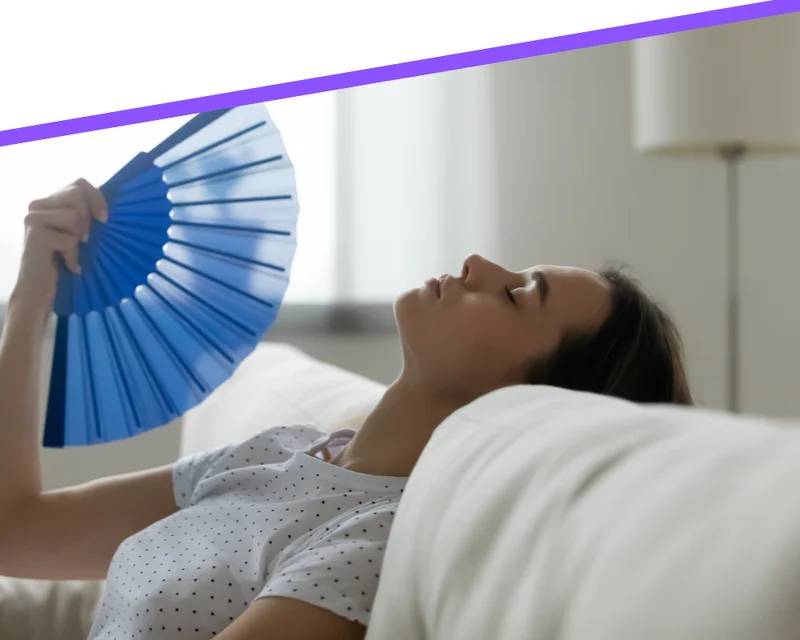
Three physiological mechanisms explain your vulnerability, as detailed by Assurance Maladie on ameli.fr:
- Your body temperature is already naturally higher because your body exerts more effort to ensure its vital functions and those of the baby.
- Your blood volume has increased by 30 to 50%, complicating thermal regulation.
- Your water needs are higher, and dehydration occurs more quickly.
The Government's Heatwave Plan officially classifies pregnant women among at-risk individuals, on the same level as people over 65. This is not an exaggeration: it is a medical category.
The Real Risks of Heatwaves During Pregnancy


The main danger is dehydration. And its cascading consequences:
- Premature contractions and risk of premature birth (lack of water can trigger the uterus).
- Decreased amniotic fluid, which disrupts placental exchanges.
- Reduced blood flow to the baby, leading to less oxygen and nutrients.
- Worsened constipation, which promotes urinary infections, which in turn increase the risk of premature birth.
- Dizziness, falls (with a risk of abdominal trauma).
- Edema, heavy legs, worsened varicose veins.
For your baby, American studies cited by Ma-Santé also show that prolonged exposure to extreme heat is associated with an increased risk of intrauterine growth restriction and prematurity.
The 10 Vital Tips to Adopt Right Now
1. Drink at least 2 liters of water a day, without waiting to feel thirsty

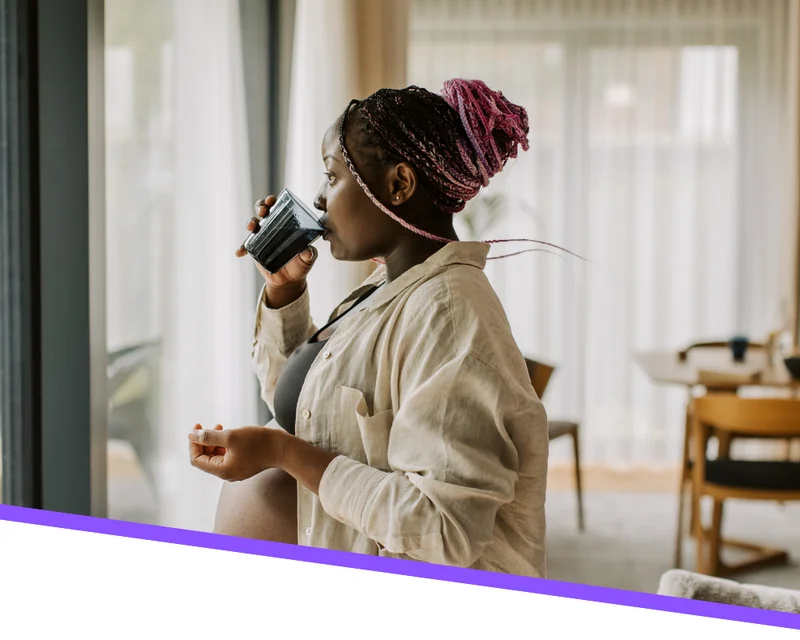
Thirst comes after the onset of dehydration. If you wait until you’re thirsty, it’s already too late. Always keep a bottle handy. Water can be supplemented with cold herbal teas (without contraindicated herbs: no licorice, no sage), salty broths, water-rich fruits (watermelon, cucumber, melon). Avoid sugary drinks and sodas that worsen dehydration.
2. Stay indoors between 11 AM and 9 PM during a heatwave


Assurance Maladie recommends avoiding any outings during the hottest hours. If you must go out, wear a wide-brimmed hat, loose cotton or linen clothing in light colors, carry a misting spray, and always walk in the shade.
3. Keep your home cool with the “night cocoon” technique
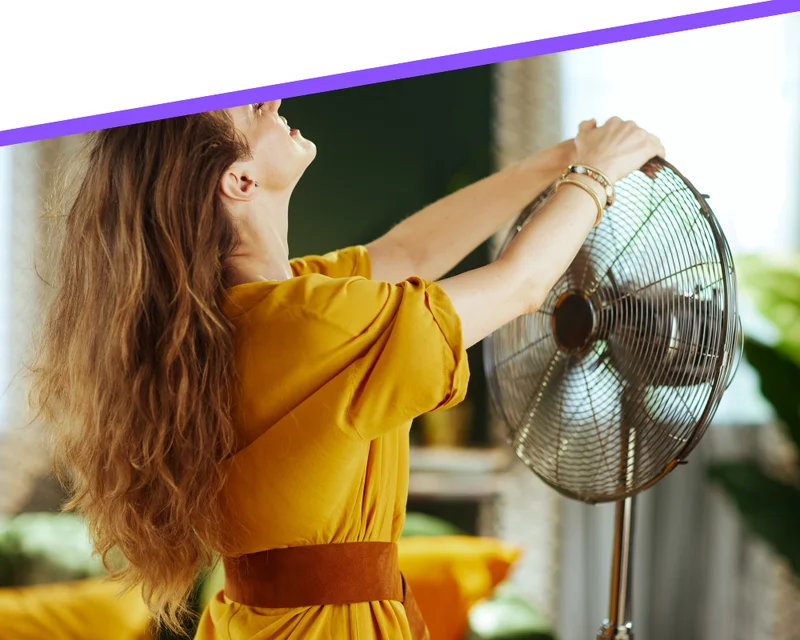
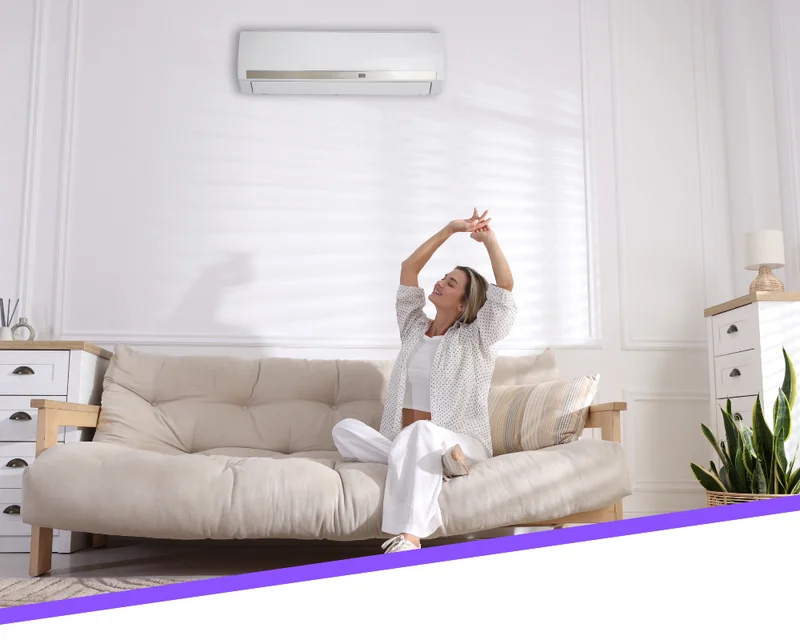
Close shutters, curtains, and windows early in the morning, before the heat rises. Open everything in the evening around 10 PM, when the outside air becomes cooler than the inside air. If you have a fan, direct it towards a damp cloth or a basin of water: it creates cooled air.
4. Cool yourself physically several times a day
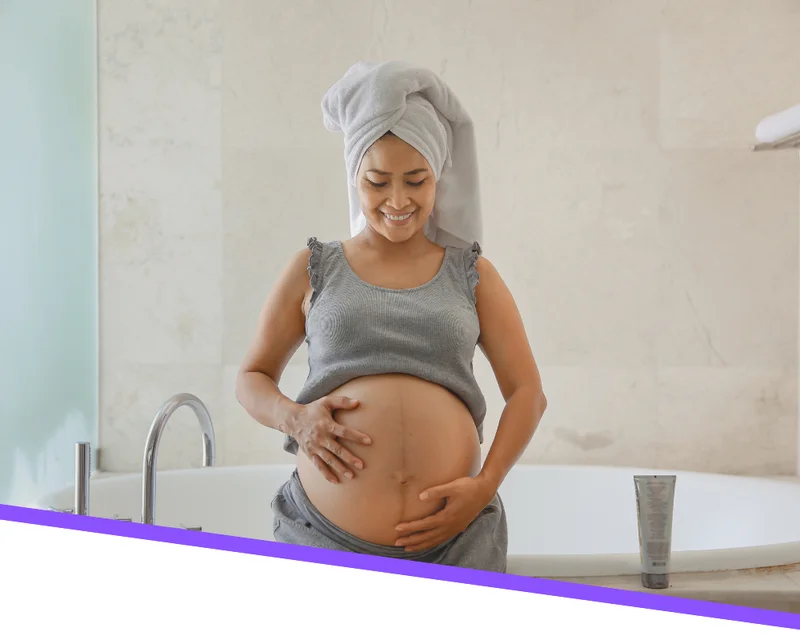

Take lukewarm showers (not cold: a violent thermal shock can cause discomfort), soak your feet in a basin of cool water, use damp washcloths on your neck, wrists, and temples. The misting spray on your face is your best friend: immediate effect.
5. Elevate your legs as soon as you lie down
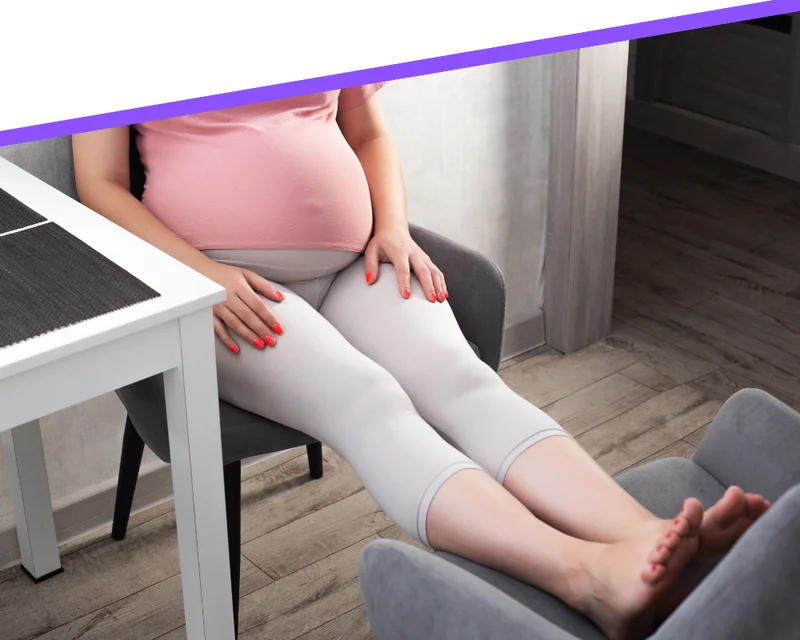

The site Les Louves, which relies on recommendations from CNGOF and HAS, advises elevating your legs 10 to 15 cm above heart level as soon as you rest. This limits venous stasis aggravated by heat, relieves edema, and facilitates venous return.
6. Eat light, fresh, and in small portions


Favor water-rich fruits and vegetables (cucumber, zucchini, tomato, watermelon, melon, peach), fresh dairy products, and yogurts. Avoid heavy dishes, fried foods, and spices that raise your internal temperature. Opt for several small meals rather than 2-3 large ones.
7. Swim (but not just any way) during the heatwave

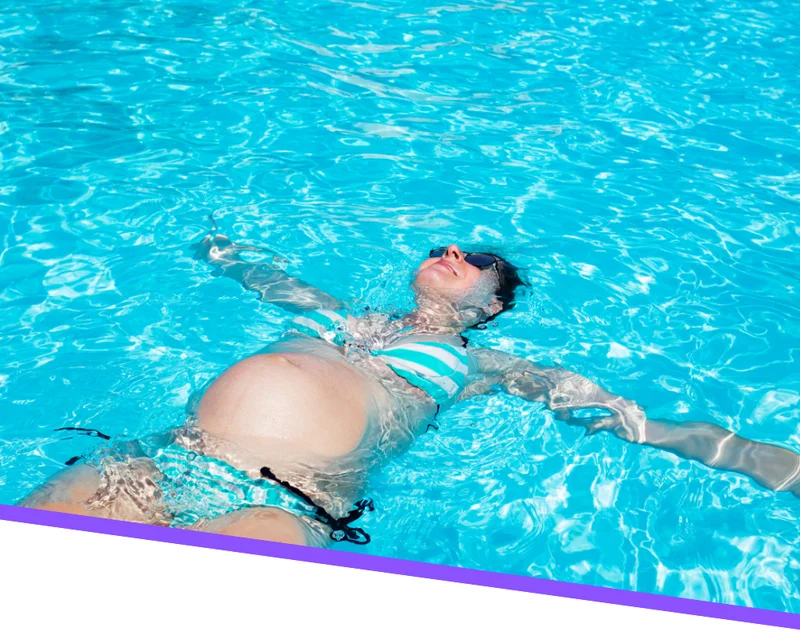
The WHO reminds us that swimming is a safe and enjoyable way to cool off during pregnancy, provided you avoid water that is too cold (thermal shock), overheated pools (above 33 °C, which is contraindicated), and hot tubs/spas. The sea or an outdoor pool at normal temperature is perfect.
8. Know your baby: count their movements
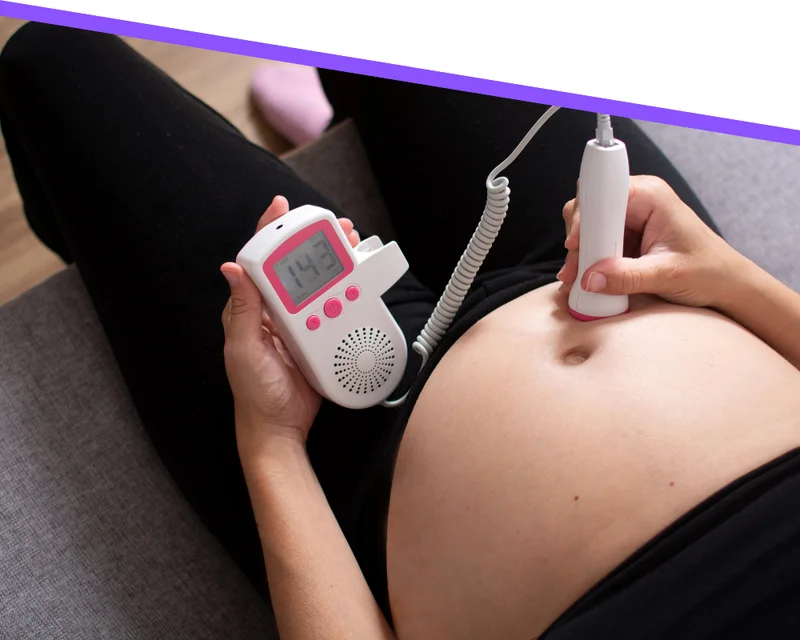
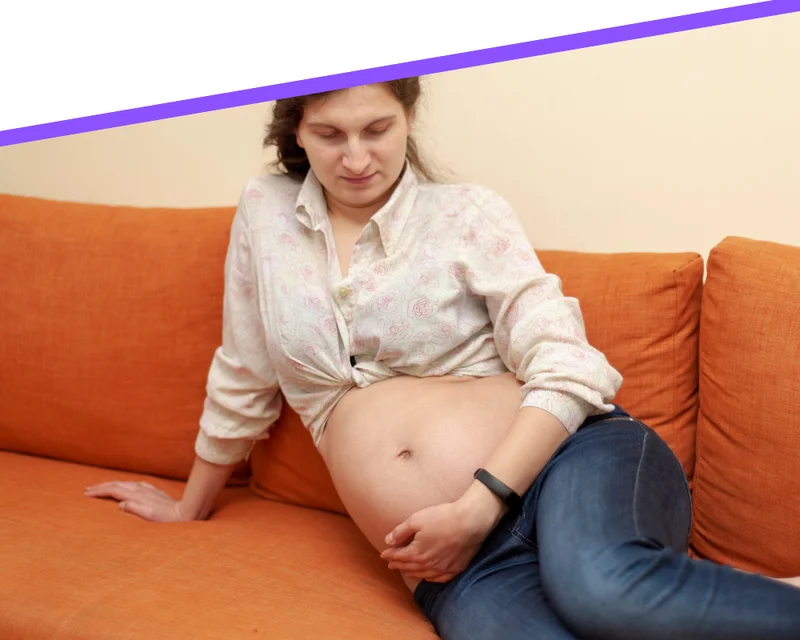
This is an alarm signal that no one makes clear enough. The WHO is very clear: if you feel that your baby is moving less than usual, contact your midwife or doctor immediately. During a heatwave just as at any other time. A decrease in movements may be a sign that the baby is lacking oxygen or that your placenta is struggling.
9. Identify a “cool spot” in your neighborhood

Air-conditioned shopping mall, library, cinema, church, underground parking, park with dense shade, town hall… Identify at least 2 cool places within 10 minutes of your home. If the heat becomes unbearable in your home, go there. No guilt: spending 3 hours in an air-conditioned shopping mall can save your pregnancy.
10. Have a “check-in person” who checks on you every day

Partner, mother, sister, friend, neighbor… someone who calls or texts you every day during the heatwave. Heat strokes can cause a loss of clarity: you may not necessarily feel that you are unwell. An outside person can detect the first signs of a problem (slurred speech, confused statements, unusual fatigue) before you do.
Heatwave and Pregnancy: Signals That Should Prompt You to Consult IMMEDIATELY

Don’t play tough. Call your maternity ward or emergency services immediately if you exhibit any of these signs:
- Regular and painful contractions
- Decrease or absence of baby movements
- Severe headaches that do not go away, blurred vision, seeing stars
- Dizziness, malaise, feeling faint
- Vomiting that prevents you from drinking
- Fever above 38.5 °C
- Very dark and very scant urine (sign of severe dehydration)
- Bleeding or loss of fluid
As reminded by Avis Parents, which relies on the recommendations of the Heatwave Plan: it’s better to consult for nothing than to miss an emergency.
What to Remember

Heatwaves during pregnancy are not a comfort to manage: they are a real medical risk, recognized by French health authorities and the WHO. Your body is not like other bodies right now, and it needs heightened vigilance. Hydration, coolness, rest, and monitoring baby movements: these four pillars will support you throughout the summer.
And if you are reading this article while pregnant during the heatwave of 2026: know that you are already taking the right step by informing yourself. Keep it up. And don’t feel ashamed to ask for help, to close the shutters during the day, to spend your day in joggers in an air-conditioned cinema, to call your midwife “for nothing.” Your instinct is your best ally.
And how are you coping with the heatwave while pregnant? What is your favorite tip to get through it? Share your tip in the comments; you will save more than one.