
Understanding Breast Milk Management: Key Insights
A recent study from Hannover Medical School suggests a reevaluation of breast milk storage guidelines, indicating longer safe storage times based on microbiological observations. Here are key insights into managing breast milk effectively.
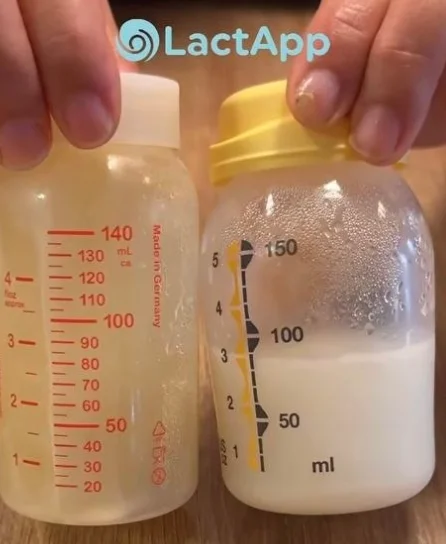
Recent research from the Hannover Medical School in Germany has sparked discussions around the storage of breast milk, suggesting a reevaluation of traditional guidelines. The study indicates that breast milk extracted when a baby has not fully fed may have a lower bacterial contamination than previously thought, thus extending its safe storage times.
While these findings are promising for families, experts emphasize the importance of maintaining strict hygiene practices in handling both breast milk and formula until further studies validate these new recommendations.
Key Guidelines for Managing Breast Milk
Here are some frequently asked questions about breast milk management, compiled to help parents navigate this essential aspect of parenting.
1. Where should I store breast milk in the fridge or freezer?
Breast milk should always be stored in the coldest part of the refrigerator or freezer, avoiding the door. In the case of the freezer, it is advisable to use a dedicated drawer for breast milk to prevent odor transfer from other foods.
2. How long can fresh breast milk last in the fridge?
At temperatures between 0 to 4 degrees Celsius, fresh breast milk can last for about 5 days. If stored under optimal conditions, it may last up to 8 days.
3. What about frozen breast milk?
Frozen breast milk can be optimally stored in the freezer for about 6 months. In some freezers operating at temperatures below -20ºC, it may last even longer.
4. Why are there discrepancies in storage recommendations?
Storage guidelines can vary significantly. Generally, recommendations from the American Academy of Pediatrics and South American milk banks are more conservative.
5. How long can breast milk be left at room temperature?
The safe duration for breast milk at room temperature depends on the ambient temperature. For reference, if the milk is kept below 24ºC, it is best not to leave it unrefrigerated for more than 4 hours. Higher temperatures require shorter storage times.
6. How can I tell if breast milk has gone bad?
Spoiled breast milk has a very unpleasant odor. However, the smell can also change due to fat degradation caused by lipase, resulting in a sour scent that differs from spoiled milk.
7. Can I reheat breast milk?
Once breast milk has been heated, it is not advisable to reheat it. Each heating session can encourage the growth of potentially harmful bacteria that may enter the milk due to improper extraction or cross-contamination.
8. What if the baby doesn’t consume all the reheated milk?
Leftover breast milk that has been heated and not consumed by the baby can be stored for up to 30 minutes after feeding. It should not be reheated and must be discarded if not used.
9. What about milk that the baby didn’t finish?
It is recommended to discard any milk that the baby did not finish, as it has been in contact with saliva and bacteria. It can be offered again within half an hour, but should not be reheated.
10. What is the best way to thaw frozen breast milk?
The fastest method to thaw breast milk is preferred. Previously, letting it thaw in the fridge for hours was recommended, but now it is advised to thaw it just before use. Here are four effective methods:
- Heat water in a pot until boiling, then turn off the heat and place the breast milk container inside.
- Fill a bowl with hot tap water and place the milk inside to thaw.
- Use a bottle warmer designed for thawing/heating breast milk.
- If you freeze milk in portions of no more than 100ml/3.3 ounces, thawing will be easier.
Avoid thawing breast milk in the microwave or directly on the stove.
11. Can I thaw milk in the fridge?
Frozen breast milk can be thawed in the fridge for up to 24 hours. After this period, if it has not been used, it should be discarded. Ideally, milk should be thawed right before feeding.
12. Is it safe to use a microwave?
If you choose to use a microwave, ensure that the containers are microwave-safe. There are concerns about burns from uneven heating and the potential for boiling, which can destroy beneficial cells in the milk. If using a microwave, remember:
- Do not overheat the milk.
- Mix the milk thoroughly before feeding to ensure an even temperature.
- Avoid letting the milk boil.
Even if the milk loses some live cells, it retains many nutritional properties, and a single instance of microwave heating is not detrimental if the baby is primarily fed breast milk throughout the day.
13. Can I mix fresh milk with refrigerated milk?
Yes, but only when both are at the same temperature. It is advisable to wait an hour before mixing freshly expressed milk with refrigerated milk to minimize bacterial growth.
14. When should I freeze breast milk?
If you have refrigerated milk that you won’t use in the next two to three days, it’s best to freeze it as soon as possible. Label it appropriately for optimal storage.
15. Why does my milk smell sour?
Breast milk contains lipase, an enzyme that helps the baby digest the fat. When the fat degrades, it can develop a strong rancid flavor, which does not indicate spoilage. Some babies accept this milk without issue, while others may refuse it. In such cases, scalding the milk can deactivate the lipase, or adding vanilla may help mask the odor.
16. How can I manage breast milk when going out?
When going out, bring your expressed milk, hot water in a thermos, and a container. If the outing is lengthy or in hot weather, it’s advisable to keep the milk refrigerated. If the temperature is mild and the milk will be used soon, it can be kept at room temperature. When the baby shows signs of hunger, place the milk container in the hot water for a few minutes to warm it up.