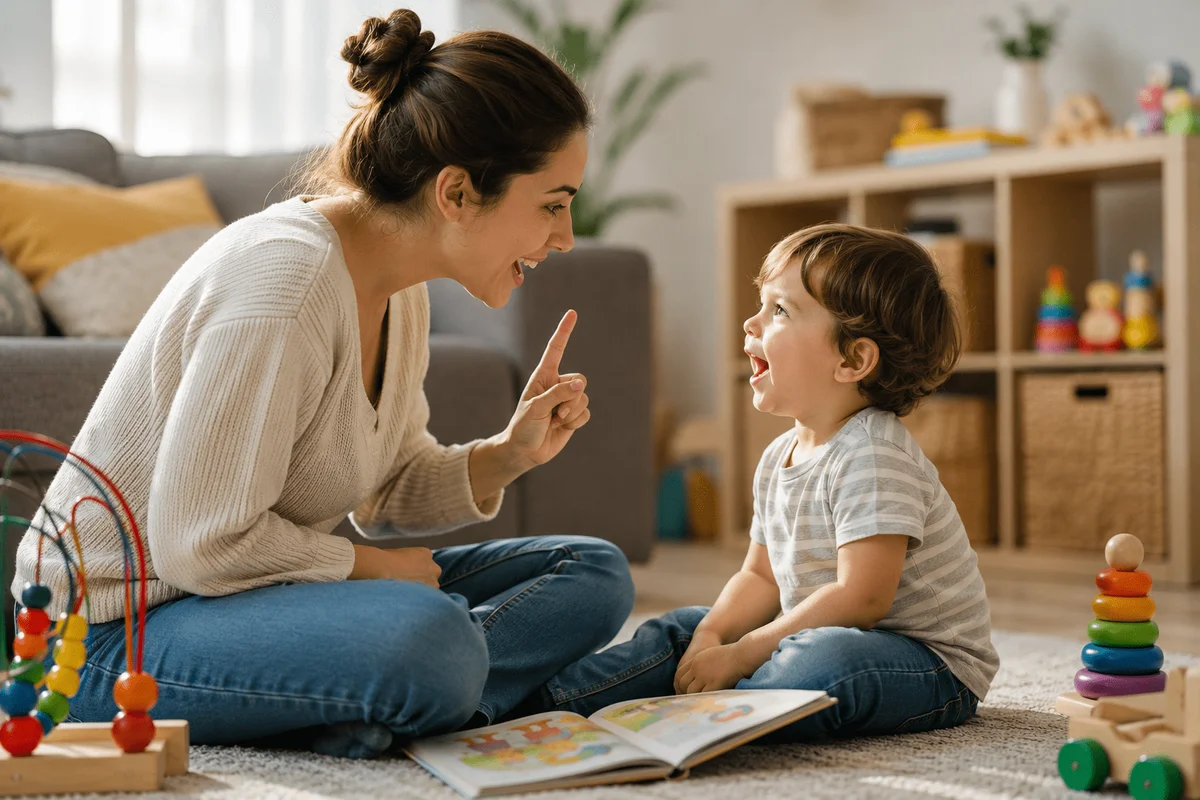
Embracing Motherhood: The Intersection of Parenting and Passion
Motherhood often involves navigating societal expectations and personal identity. This article explores how geeky mothers balance their passions with parenting, challenging stereotypes and embracing their multifaceted identities.
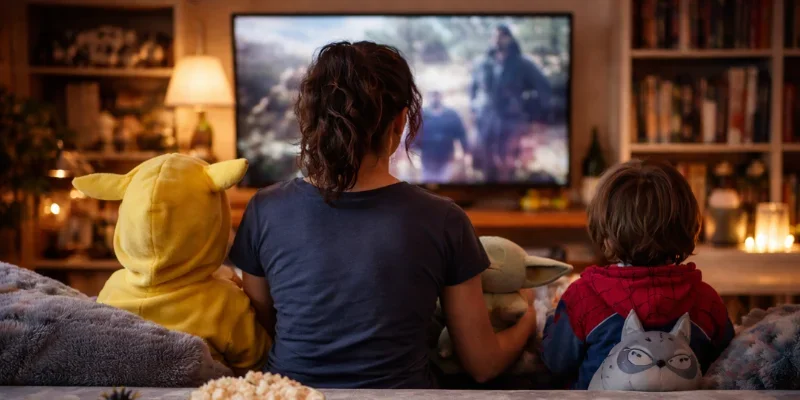
Motherhood inherently involves navigating unsolicited opinions, advice, and scrutinizing gazes that evaluate every decision. When a woman identifies as a geek, this scrutiny intensifies. Interests that have long defined her identity suddenly come under question, as if motherhood comes with an unspoken list of things that are no longer appropriate. This includes anything associated with fantasy, animation, imaginary worlds, or pop culture.
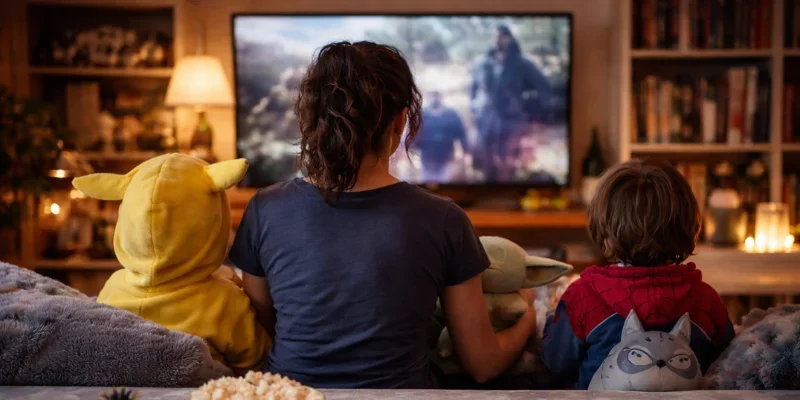
The phrase "that's just cartoons" often comes wrapped in a seemingly innocuous tone, yet it carries significant weight. It not only diminishes a form of cultural expression but also infantilizes those who enjoy it. When directed at a mother, the implicit message is clear: she should be focusing on something more serious, more suitable, more adult. This notion suggests that caring for, loving, and supporting a family is incompatible with being excited about an animated story or a fictional universe.
However, the reality is far more nuanced and, above all, more human. Motherhood does not erase who a woman is or the passions that have accompanied her throughout her life. It does not extinguish her imagination or eliminate her need to connect with what brings her joy, comfort, or inspiration. The challenge lies in a society that struggles to place mothers who do not fit the traditional mold.
The Misconception of Sacrifice in Motherhood
A deeply ingrained narrative associates motherhood with sacrifice. This often includes relinquishing personal time, former physicality, certain ambitions, and, in many cases, personal interests. Within this unwritten package of sacrifices, geek culture is often perceived as juvenile, unnecessary, or outright irrelevant compared to so-called "real responsibilities."
Many geeky mothers find themselves justifying their interests, even to other women. They are often presumed to have outgrown these worlds upon becoming mothers, as if enjoying them is a sign of immaturity. This perspective overlooks the fact that an affinity for science fiction, fantasy, anime, comics, or video games is not a phase; it is a way of engaging with stories, creativity, and emotion.
Furthermore, motherhood does not diminish analytical ability or emotional depth. On the contrary, it frequently amplifies them. Geeky mothers do not engage with these contents from a superficial escapism; rather, they approach them from a richer life experience, one shaped by care, fear, loss, and love. Denying them this space is to deny an essential part of their adult identity.
The issue lies not within these interests but in the rigidity of societal definitions of what a mother should be. This definition excludes those who do not conform to the stereotype of a serious, self-sacrificing woman devoid of fantasy.
The Dismissive Nature of "That's Just Cartoons"
Animation and visual culture still carry a stigma that is hard to dismantle. Despite decades of complex, profound, and emotionally impactful works, the notion persists that all animated content is childish. This perception particularly affects mothers, who are expected to embody an exemplary adulthood, distanced from anything deemed unserious.
When someone remarks, "that's just cartoons," they are not only oversimplifying an artistic medium but also invalidating the emotional experiences of those who appreciate it. For geeky mothers, this invalidation intertwines with an ongoing demand for coherence: to care, educate, work, and simultaneously embody an ideal of maturity that allows no nuances.
Interestingly, many of the stories dismissed under this label address deeply adult themes. Loss, sacrifice, identity, motherhood, the fear of failure, and unconditional love are all topics that resonate with the experience of being a mother. Yet, the prejudice often overshadows the content, where form eclipses substance.
Such repeated comments leave a mark, fostering a sense of needing to hide one’s passions, to enjoy them only in secret, not because they lack validity, but because it becomes tiresome to explain that adulthood is not measured by cultural tastes.
Motherhood Transforms Identity, It Does Not Erase It
Becoming a mother is a profound transformation, but it does not erase one’s past, references, or passions. A woman does not emerge anew, devoid of her previous identity. Instead, her former self is restructured, adapted, and dialogues with her new reality. In this process, geek culture can not only persist but also take on new meanings.
Many mothers find that the stories they once enjoyed for fun now resonate with them in unexpected ways. New interpretations, unexpected emotions, and deeper connections emerge. Motherhood adds layers rather than subtracts from the experience. These layers enrich how one engages with culture, rather than impoverishing it.
Moreover, maintaining personal enjoyment spaces is not a luxury; it is a necessity. Motherhood can be all-consuming, demanding, and at times, isolating. Having emotional refuges, personal interests, and moments of disconnection is a form of self-care. For many geeky mothers, these refuges take the shape of series, books, films, or universes that remind them of who they are beyond their maternal role.
To deny this in the name of a rigid idea of motherhood is not only unfair but also unrealistic. Mothers are not a homogeneous block; they are women with diverse stories, contradictions, and passions. Recognizing this is a crucial step toward a more honest and less suffocating experience of motherhood.
Raising Without Renouncing and Educating Without Shame
Being a geeky mother does not mean imposing tastes or raising clones of oneself. It means living authentically, without hiding what one loves or passing on shame about it. Children learn more from what they observe than from what they are told, and seeing a mother passionately and respectfully enjoy something is a powerful lesson.
Demonstrating that there are multiple ways to be an adult, to enjoy, and to express oneself broadens a child's world. It teaches that creativity does not expire, that imagination is not incompatible with responsibility, and that cultural enjoyment knows no age limits. Far from being a problem, this can become a valuable educational tool.
Additionally, normalizing these interests within the family helps dismantle prejudices from the inside out. It is not about convincing anyone but rather about living naturally. When a mother does not apologize for her interests, she sends a clear message: there is nothing wrong with loving what connects with one’s identity.
In a world that still insists on saying, "that's just cartoons," geeky mothers represent a quiet resistance. Not through constant confrontation but through everyday coherence. They continue to nurture, educate, support, and at the same time, enjoy worlds that remind them that life also needs a touch of fantasy.
Accepting that motherhood does not require erasing parts of oneself is a profoundly liberating act. And perhaps, little by little, it will help diminish the impact of those condescending remarks. Because when a mother lives her identity unapologetically, what once seemed odd begins to be seen simply as another legitimate way to be a woman and a mother.