Understanding Nostalgia in Motherhood
Exploring the concept of nostalgia in motherhood, reflecting on personal experiences of loss, longing, and the complexities of family dynamics.
This morning, I woke up pondering the definition of nostalgia. I even attempted a 40-minute run at dawn, hoping it might lighten the weight of my thoughts, but all I accomplished was an overwhelming hunger by 9 AM!
Nostalgia, I mused. How does one define it? What differentiates nostalgia from longing, nostalgia from desire, nostalgia from solitude, nostalgia from absence, and nostalgia from presence?
One can feel nostalgia for someone even when they are physically present, just as one can feel their absence even when they are nearby. But isn't that just a form of longing, solitude, need, or necessity?
My earliest experience of nostalgia relates to someone I never had. For as long as I can remember, I've felt the absence of a sister or brother. During my Prenatal Tutor course, I learned that I likely wasn’t alone in my mother’s womb. This realization has left me with a void for 45 years. I often find myself thinking: if I had a sibling, everything would have been different. I would have had to fight less. And more.
The loss of my grandmother marked another poignant moment of nostalgia. At 24, as I was graduating, she passed away. Though she lived far away and I saw her infrequently, I cherished her wise and loving presence. Her absence ignited a pain that lingers to this day. She never met Matteo and Niccolò, nor did she experience the joy of being a great-grandmother, even for a day. Watching grandparents with their grandchildren always leads me to reflect on the blessing of becoming a grandparent, and the emotional choice it represents. Being accompanied by children and young adults in one’s final years enriches life, making the inevitable departure feel more profound. As Forrest Gump wisely put it, “a grandparent is someone who is a grandparent.”
During my pregnancy, despite my love for that transformative period, I often felt nostalgic for the unknown that my children represented as they grew inside me. They had no faces, voices, or features, yet I missed their presence in this world.
Nostalgia also surfaced when I began contemplating separation. Although we were a family, I missed the essence of being one. We had everything, yet I longed for a vital piece of the whole. I yearned for what I had envisioned we could be together for a lifetime—the hopes, desires, and dreams of what was no longer possible, or what had never existed.
And now, I find myself in solitude. Objectively, I am alone, even if I don’t feel lonely. My children are growing up (and I find it beautiful as they venture further from me), leaving the house often empty. Rebuilding a life after 40 brings its own challenges, especially when forming relationships with those who have already lived long before you. This can lead to a fragmented existence. While there are undeniable benefits to this new life, it can become burdensome over time. I tend to look ahead and need evolutions in my life.
I say “alone,” but it’s not loneliness. As I mentioned earlier, I don’t feel lonely. However, I do feel a sense of missing—missing myself in relation to the nostalgia I experience. I am aware that nothing will return to how it was before, and I face a future, which is already present, filled with separations. From my children, from my family of origin, from those I thought were close, only to find them absent.
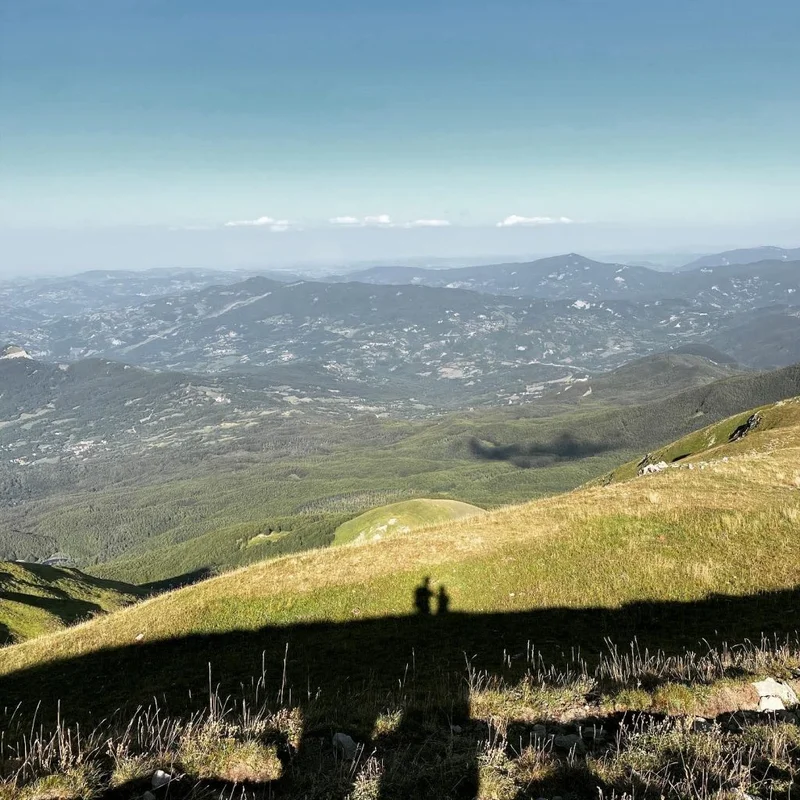
Nostalgia for beginnings also pulls me inward. The word nostalgia originates from Greek, meaning “pain of returning.” Beginnings are beautiful. It is then up to us to transform that fleeting beauty into permanence.
I can’t recall who likened the title of The Androgyne by Zolla to love, but the phrase resonated deeply: “Love is the human nostalgia for wholeness.”
Perhaps “wholeness” is the answer.