Nurturing Healthy Eating Habits in Families
A journey into nutrition counseling reveals the importance of understanding the connection between diet and well-being, particularly for families. Explore insights on fostering healthy eating habits from an early age.
In September, I wrote an article that I never published for some unknown reason—until now. Reading it again six months later left me astonished at how much has changed within me, even if my external circumstances remain the same.
My Mission
Last year, I made a somewhat spontaneous decision to begin a nutrition counseling course in January, which lasts six months. I find myself deeply engaged in this journey. I’ve discovered my mission: to help as many people as possible understand the connection between nutrition and well-being—from the very first bite. I had already been active in this area with my baby-led weaning website, but I aspire to build on that with a solid education, a well-defined concept, and a more confident presence.
It has become increasingly clear to me how nutritionally hostile our world is and how little awareness people have regarding the nutrient-poor and chemical-laden products available in supermarkets. It’s alarming that many individuals, including children and adolescents, suffer from obesity, diabetes, cardiovascular diseases, and autoimmune disorders.
To those who might think, "You shouldn't be so extreme": YES, WE MUST BE EXTREME! At least, if extreme means consistently pointing out the issues and vocalizing what is well-documented scientifically but often ignored by policymakers and the food industry. Much of what is marketed to us as “food” lacks nutritional value and merely fills our stomachs.
Did you know that at least 75% of people are deficient in essential nutrients? This is particularly catastrophic for children!
If you find yourself nodding in agreement and are considering a similar path, I wholeheartedly recommend it. The difference between suspecting connections and having them confirmed by a professional is substantial.
I am pursuing my training through the Paracelsus Schools, a recognized institution known for its training in alternative medicine, among other interesting programs. I could easily continue my education there because so much of it sounds fascinating.
If you decide to enroll, I have a code (originally intended for sharing on Instagram, but it might be useful for you too). The discount code is BABY.
The Importance of Protein-Rich Diets
One of the most significant dietary mistakes many people make is the overconsumption of carbohydrates compared to proteins, fats, and vegetables. This is hardly surprising, given that for decades, the food pyramid has led us to believe that carbohydrates should form the foundation of our diets. However, today’s carbohydrates are predominantly refined white flour and various sugars, unlike the whole grains of the past. Meanwhile, we have been instilled with a fear of fats, as evidenced by the plethora of low-fat products in supermarkets, which suggest that avoiding fat is somehow beneficial.
In my very first training session, I learned something impactful:
There are essential fatty acids and essential proteins, but there are no essential carbohydrates.
Essential means that the body cannot synthesize these nutrients from other food components. Therefore, without these macronutrients, one experiences a deficiency. It’s not a hypothetical situation; it’s a reality.
In short: You can live well without carbohydrates, but not without fats and proteins!
Did you know that the Americans recently updated their food pyramid? They significantly increased the proportion of protein and vegetables while decreasing carbohydrates. Fruits and vegetables are rich in essential nutrients, particularly micronutrients like vitamins and minerals.
My Dietary Changes
I was already aware of many of these connections before starting the course. My children have been consuming protein in powdered form in shakes (without sweeteners or additives, just pure protein powder) for some time because they otherwise don’t get enough. Pasta with Parmesan is a staple in our home.
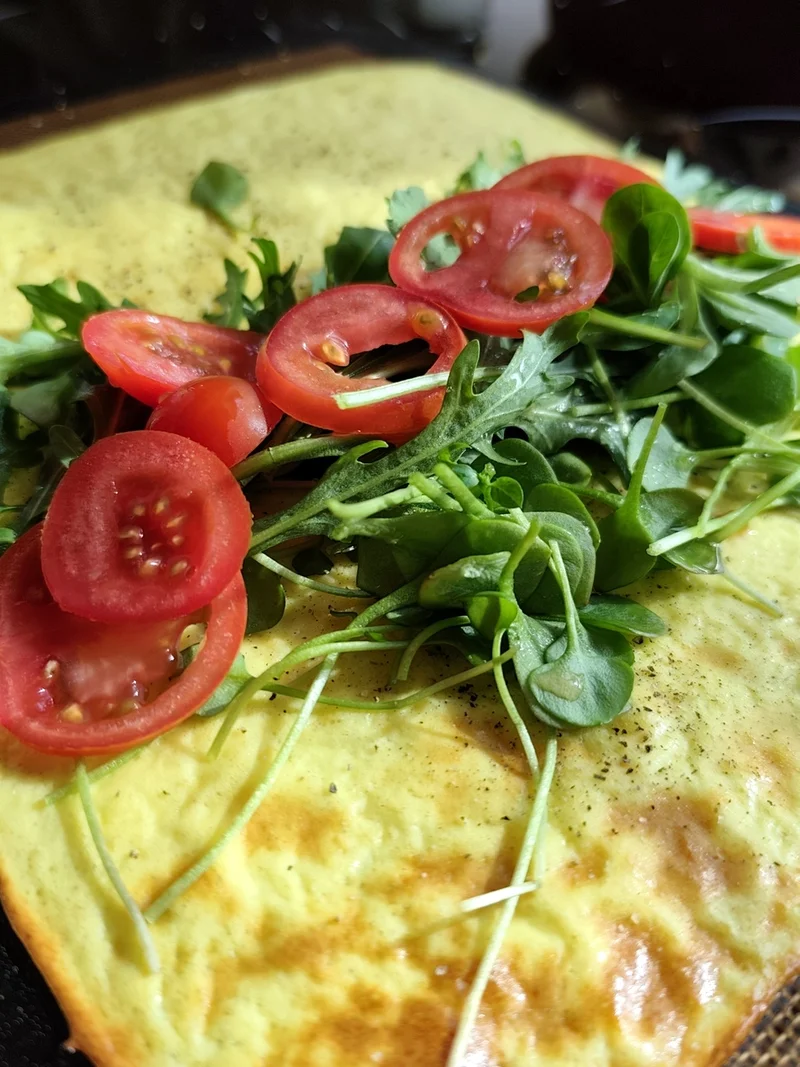
I had been attentive to my children's nutrition but less so to my own. Just before the course began, I made a conscious effort to change that. For breakfast, I now prioritize protein-rich options. Often, I prepare a protein wrap using cottage cheese and egg, topped with whatever vegetables I have on hand. Thankfully, I can now include salad from my garden.
The changes I made quickly became apparent, and my course helped me understand why: my hormone levels had been declining over the past couple of years. At the end of last year, I experienced a 21-day menstrual cycle, feeling irritable and moody for the two weeks leading up to my period. Essentially, I was in a bad mood for two out of three weeks, and during the remaining week, I was dealing with my menstrual symptoms. It was less than ideal.
Here’s the crux: Hormones, neurotransmitters, enzymes, and many other essential helpers in the body are PROTEINS. They are made up of amino acids derived from our food. If we consume too few proteins, we won’t have enough to support all bodily functions. Since sexual hormones can be temporarily deprioritized compared to others, I noticed the impact there first. In recent months, my cycle has gradually lengthened, and I have experienced significantly fewer severe symptoms, all through nutrition and exercise—without any supplements. I’ll discuss exercise another time.
Fostering Healthy Eating from the Start
Returning to the core topic: what I aim to achieve with my new qualification (once my youngest child is in morning care). Every day, I observe the prevalent dietary habits when I go out, shop, or send my children to school. It’s disheartening to see what is considered “normal” in terms of nutrition. This has become even more apparent to me since I’ve delved deeper into this subject. Visiting children often refuse our whole grain meals. The prevalence of wheat and sugary snacks is alarmingly high.
Last week, I asked a father, whose child I was supervising in a gymnastics class, to refrain from bringing unhealthy snacks. Upon clarification, I specified: nothing containing sugar, trans fats, or questionable additives (E-numbers, artificial flavors, colorings). He and the children appeared quite bewildered. I know he tries hard, but for many kids, it’s completely normal to eat packaged snacks when they are hungry.
Many people “know” what’s healthy but fail to implement it in practice. Why? Primarily due to time constraints and the stress associated with preparing real food. The discomfort of this realization often dissipates when one looks around and reassures themselves that everyone else is doing the same. It’s normal. Surely, if these foods were harmful, the government would ban them. It can’t be that bad. One shouldn’t be too extreme.
Here, I want to tell people: Yes, it is that bad! The statistics tell a different story than the clever comments in the comment section or the advice from your mother-in-law, which we all could have done without. (The arena for comments on this article is open; I await the first response in this regard!)
The reality is that both adults and increasingly children are unhealthy and unwell, both physically and mentally. I am tired of not speaking out about this to avoid making anyone uncomfortable or feeling guilty. (Everyone already has their own conscience; I’m not the one creating guilt by stating the truth.)
My Concrete Plan
As a nutrition counselor, my primary target audience will not be those who are already suffering. These individuals typically seek counseling when they are in crisis. I aim to work with families before they reach that point. Ideally, I want to reach parents before their children are mobile enough to get into trouble. Thus, my focus will be on parents who genuinely want to provide healthy nutrition but feel uncertain about how to do so. I want to support those who are starting families and wish for their children to grow up healthier than they did.
To achieve this, I will undertake something that is quite challenging for me: creating videos. Short video segments covering fundamental topics will provide foundational knowledge. When someone books a consultation with me regarding family meals, they will first gain access to these videos and will be encouraged to try implementing the concepts on their own for a few weeks.
Subsequently, I will conduct personal consultations based on a questionnaire and a dietary log to ensure that both children (and ideally adults) receive all the nutrients they need to grow up healthy.