
Understanding Pediatric Speech Therapy: When and Why It Matters
Explore the significance of pediatric speech therapy, its role in communication development, and when to seek help for your child.

Published on January 24, 2026

The growing interest in pediatric speech therapy often stems from genuine concerns regarding a child's communication abilities. Parents might notice that their child struggles with language development, has difficulty articulating words, or exhibits unclear speech. Such challenges can become particularly evident in school settings, where reading and writing demands increase.
In some cases, the signs may not be verbal; they could manifest through a child’s oral habits. For instance, a child might breathe through their mouth, push their tongue against their teeth, chew slowly, or face difficulties with swallowing. These issues also fall under the umbrella of speech therapy.
Speech therapy addresses when these communicative, linguistic, or functional processes are not developing effectively. Its goal is not simply to “teach speaking” but to assist the child in utilizing their resources more effectively, thereby making communication simpler, more secure, and functional in daily life.
Speech Therapy: More Than Just Language
Speech therapy is a healthcare discipline focused on preventing, assessing, and treating difficulties related to communication, learning, and the proper use of oral functions. Its scope extends beyond childhood, supporting individuals throughout their entire life.
During a child's growth, intervention may be necessary when challenges arise that involve:
- language and pronunciation development;
- effective communication, especially when verbal language is insufficient;
- academic learning, particularly in reading, writing, and mathematics;
- functions such as breathing, sucking, chewing, and swallowing;
- voice usage;
- certain cognitive skills that may be fragile in specific neurological conditions.
This clarifies a crucial point: pediatric speech therapy is not a generic intervention but a targeted rehabilitation pathway tailored to the individual child's actual difficulties.
Is a Speech Therapist a Doctor?
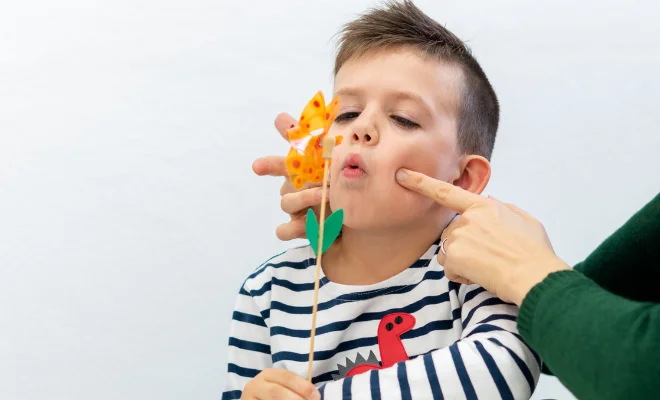
A speech therapist is a healthcare rehabilitation professional. They work with children, adults, and the elderly, adapting their interventions based on age and specific challenges.
Often referred to as a “language therapist,” this term does not fully capture the breadth of their work, which also encompasses learning and oral functions.
They do not prescribe medication and do not make medical diagnoses. However, they can conduct in-depth assessments of linguistic, communicative, and learning abilities, employing specific tests and clinical observations. These assessments are crucial for guiding the intervention pathway and, when necessary, collaborating with other specialists in the diagnostic process.
Many speech therapists also pursue advanced training in specific areas, focusing on aspects such as developmental stages, voice, or swallowing, which further hones their professional profile.
When Should You Consult a Speech Therapist?
Every child follows their own developmental pace. Variations in the early years are normal and should not be viewed as a race against time. However, certain signs warrant attention, as early intervention can prevent future difficulties.
It is advisable to seek specialist advice if:
- by age 2, the vocabulary is very limited;
- by 30 months, the child is not starting to combine words;
- after age 3, speech remains difficult to understand;
- the child struggles to comprehend what is being said to them.
The milestones of language development—such as babbling in the early months, the use of gestures, and the emergence of first words and phrases—serve as helpful, though not rigid, references. They are intended to guide rather than label obsessively.
In case of uncertainty, discussing concerns with a pediatrician remains an essential first step, as does communicating with educators and teachers who observe the child in everyday situations.
Speech Therapy Can Address Other Areas

Not all requests for speech therapy originate from speaking difficulties. Sometimes, an orthodontist or dentist may recommend an evaluation, which can come as a surprise.
In fact, functions like breathing, chewing, and swallowing are closely linked to orofacial development and tongue posture.
When these mechanisms do not function harmoniously, imbalances can affect dental occlusion. In such cases, myofunctional therapy focuses on reeducating motor patterns, often in collaboration with orthodontics, to achieve lasting results.
Language Disorders, Articulation, and Stuttering
In developmental stages, speech therapy is frequently involved in addressing language delays, specific language disorders, articulation difficulties, or stuttering. The latter, in particular, is not merely about words “getting stuck” but can have a significant emotional impact on the child.
Thus, it is crucial to conduct a proper evaluation; otherwise, there is a risk of intervening ineffectively or even counterproductively.
Speech Therapy and Learning Difficulties
When issues arise related to reading, writing, or mathematics, the role of the speech therapist evolves. In these instances, they can help identify early warning signs, assess academic skills and related cognitive functions, and propose targeted enhancement interventions.
The work extends beyond the child, involving family and school to identify effective strategies and useful tools. While formal diagnosis follows specific pathways, speech therapy remains a vital resource within a collaborative approach shared among multiple specialists and families.
How Does a Speech Evaluation Work?
The first meeting aims to clarify the family's request and gather information about the child's history, development, and living context. The evaluation may include standardized tests and observations, often through playful activities.
At the conclusion, the speech therapist provides the family with a report outlining the findings and proposes an intervention plan, defining objectives, timelines, and methods. Family continuity and involvement play a decisive role in the effectiveness of the intervention pathway.
If You Have Doubts, Here’s Where to Start!
If something feels off, or if you perceive difficulties in your child, observing and gathering concrete examples is the first step.
Note down everything that seems helpful in describing the child's challenges. Sharing these concerns with the pediatrician and relevant educational figures allows for a more comprehensive perspective.
Consider the feedback you receive from them, but do not hesitate to seek a speech consultation if your concerns persist. A speech evaluation does not obligate you to take any action and is not a label; it simply provides a specialist consultation with qualified individuals who can clearly indicate whether your fears are grounded in reality.
Recommended Reading
If you are dealing with a language disorder in early childhood, consider reading the book: Parlare un gioco a due. Guida pratica per genitori di bambini con disturbi di linguaggio.
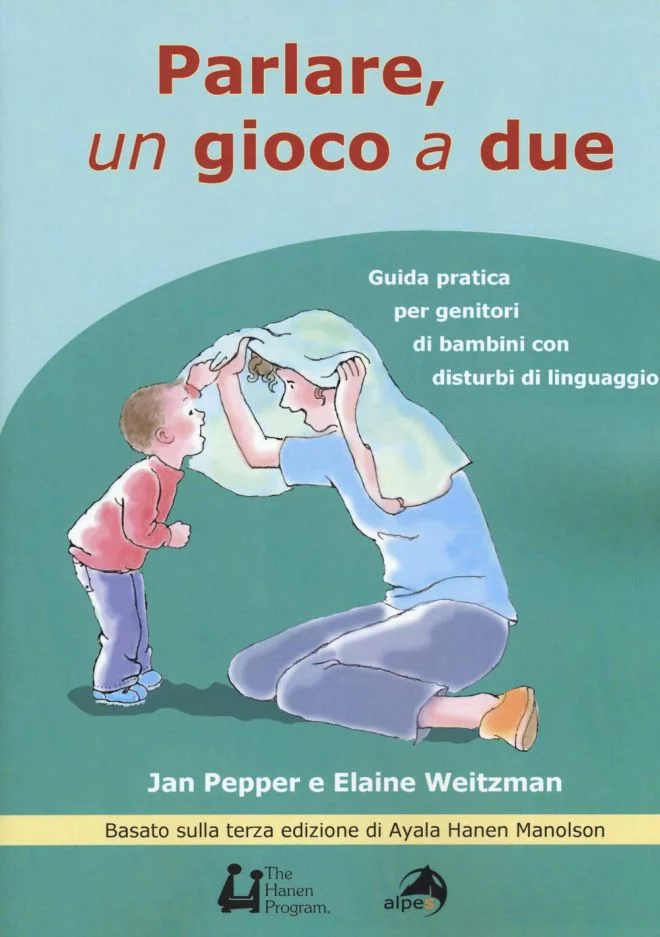
Written in clear and accessible language, supported by numerous illustrations, this book guides adults in supporting the child's communicative development within daily routines, such as meal times, bath time, play, and shared reading.
The book targets families of children in the earliest stages of communication, as well as those beginning to combine words into short phrases. Based on the latest scientific evidence, it offers practical tools like questionnaires, operational guidelines for identifying effective communication goals, and a section dedicated to building foundations for reading learning. The approach emphasizes the adult-child relationship, demonstrating how every daily exchange can become a natural and enjoyable opportunity to foster language development.