Ensuring Water Safety for Children: Protection at Lakes and Pools
As children are naturally attracted to water, understanding safety measures is crucial for parents. This article discusses essential precautions for safe family outings at lakes and pools.
Children are often irresistibly drawn to water, especially during the summer months when trips to lakes, pools, and beaches become cherished family activities. While these outings provide refreshing enjoyment, many adults may underestimate how quickly a seemingly harmless situation can escalate into a dangerous one.
In just a few seconds without supervision, a child can find themselves in peril. Therefore, it's crucial to view water not just as a playground but as an area that requires specific safety measures.
Recognizing Common Dangers
Many accidents can be prevented if parents are aware of typical hazards and take proactive steps to mitigate them. This involves ensuring constant supervision, setting clear rules, and realistically assessing what skills children have mastered. Kids often overestimate their abilities and may not recognize risks effectively. Consequently, adults must take responsibility for creating a safe environment.
When utilizing a backyard pool or considering its installation, safety features should be prioritized from the outset. Installing a fence with a self-closing gate, having a sturdy cover for times when the pool is not in use, and establishing clear rules can significantly reduce the risk of serious accidents. Additionally, ladders should be removed or made inaccessible after swimming in above-ground pools. As long as children are playing in the garden, the water area should never be left unattended.
Supervision: Being Present is Not Enough
Children can encounter danger even in very shallow water. Contrary to popular belief, drowning often occurs silently. Victims may not scream or wave for help, as they are focused solely on getting air. Therefore, merely being nearby or occasionally watching the water is insufficient.
Young children should always be within arm's reach of an adult supervisor when near water. Distractions from smartphones, conversations, or other activities should be avoided, as they can cost precious seconds in an emergency. If multiple adults are present, it’s advisable to designate one person specifically for supervision to avoid any confusion about who is watching the child.
However, older children also require attention. Even if they can swim, factors like overconfidence, fatigue, or unfamiliar conditions can lead to dangerous situations. Adults should maintain regular eye contact with the children and not rely on other swimmers to intervene in case of an emergency.
The Role of Floatation Devices and Swimming Lessons
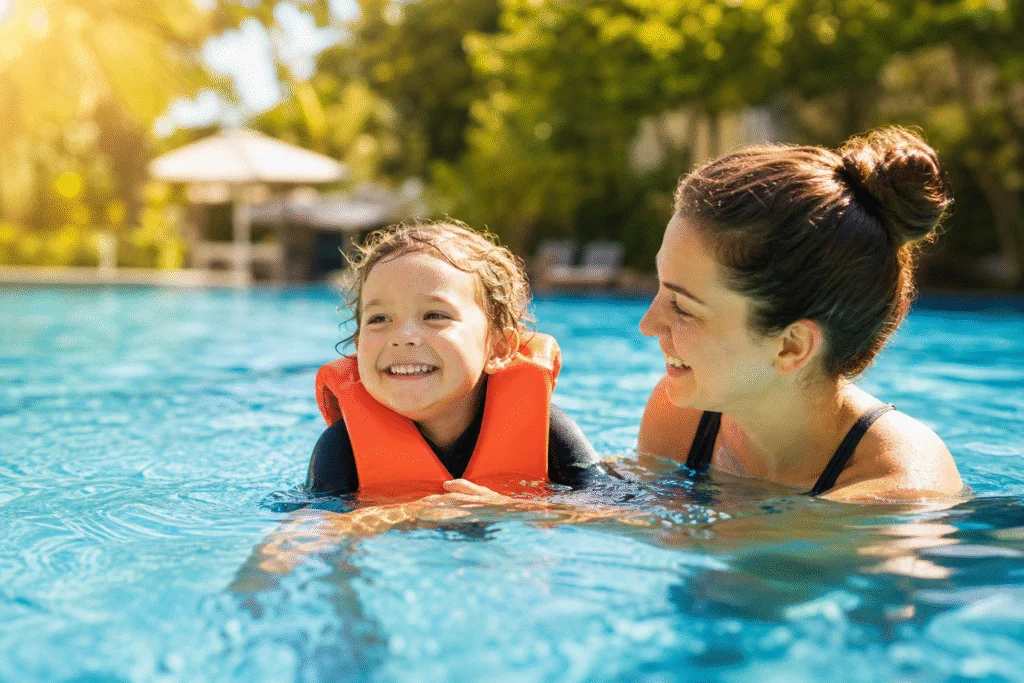
Floaties, life vests, and other buoyancy aids can enhance safety in the water but should never replace active supervision. These devices must be used correctly and only for their intended purposes. Inflatable rafts, swim rings, or large pool toys do not serve as life-saving equipment and can create a false sense of security.
Swimming lessons at an early age are highly beneficial for children. They teach essential movements, safe water practices, and basic behavioral rules. However, earning a beginner's swimming badge does not guarantee that a child can swim safely in every situation. Different bodies of water, currents, or longer distances present additional challenges. Regular practice remains a key element of water safety.
Identifying Everyday Risks Early
The dangers associated with water are not limited to swimming pools or lakes. Even kiddie pools, garden ponds, rain barrels, or other water containers can pose significant risks to small children. Ideally, kiddie pools should be emptied after use or secured to prevent unsupervised access by children.
Natural bodies of water come with their own set of risks. Currents, sudden drop-offs, slippery rocks, or limited visibility underwater can catch even experienced swimmers off guard. Before swimming, it’s essential to check warning signs, designated swimming areas, and current conditions. Children should only enter the water where swimming is explicitly permitted and should always be accompanied by adults.
Weather conditions also play a critical role. Intense sunlight, high temperatures, and prolonged outdoor exposure can strain a child's system. Regular breaks for hydration, shade, and reliable sun protection are necessary. Using waterproof sunscreen, UV-protective clothing, and hats can help prevent sunburn and overheating. It is especially wise to avoid direct sunlight during peak hours.
Simple Rules for Safety
Clear guidelines are essential for children. Parents should frequently discuss simple swimming rules and consistently model these behaviors themselves. These rules include never going into the water without an adult, not pushing other children in, only jumping in designated areas, and adhering to warning signs. It’s also vital to agree that children should only leave the swimming area with permission.
Many rules become ingrained through repetition. Briefly reviewing them before each swimming outing can help children develop a better understanding of potential dangers over time. Simultaneously, practicing these rules together fosters a sense of responsibility.
A carefree day by the water begins long before the first splash. By ensuring attentive supervision, proactively identifying risks, and consistently implementing safety measures, families can create a foundation for enjoyable hours together. Children gain positive experiences in the water, build confidence in their abilities, and learn to behave responsibly and safely step by step.