
National Fertility and Perinatal Health Plan: 16 Measures That Will Change Motherhood in 2026
The National Fertility and Perinatal Health Plan launched on February 5, 2026, is likely the most significant reform in maternal health in years. This plan includes 16 concrete measures to address the real issues faced by women in France when becoming mothers.
The National Fertility and Perinatal Health Plan launched on February 5, 2026, is likely the most significant reform in maternal health in years. If you are preparing for a baby, if you are pregnant, or if you are waiting for your turn to become one, this plan directly concerns you. And for once, it’s not just complicated administrative good news: it consists of 16 concrete measures that will finally address the real issues faced by French women when becoming mothers.
Why now? Because France has a serious maternal health problem, and the statistics are alarming. But the country has finally decided to act, with a structured, ambitious plan that could really change your daily life as a future mom. Here’s everything you need to know, explained simply, without administrative jargon.
What exactly is the National Fertility and Perinatal Health Plan?
It is a two-pronged government strategy, officially launched by Stéphanie Rist, Minister of Health, Families, Autonomy, and Persons with Disabilities, on February 5, 2026.
As explained by the official portal info.gouv.fr, the Government is reinforcing its action around two projects: a structured plan on fertility and a national approach to perinatal and maternal health. The infertility plan includes 16 measures. The first conclusions from the national project on perinatal and maternal health will be submitted by June 2026. Ameli
In clear terms, we have two things progressing in parallel:
- The fertility plan: 16 concrete measures against infertility, already detailed
- The perinatal health project: a major ongoing diagnosis, with initial proposals arriving in June 2026.
Why was this plan urgent?
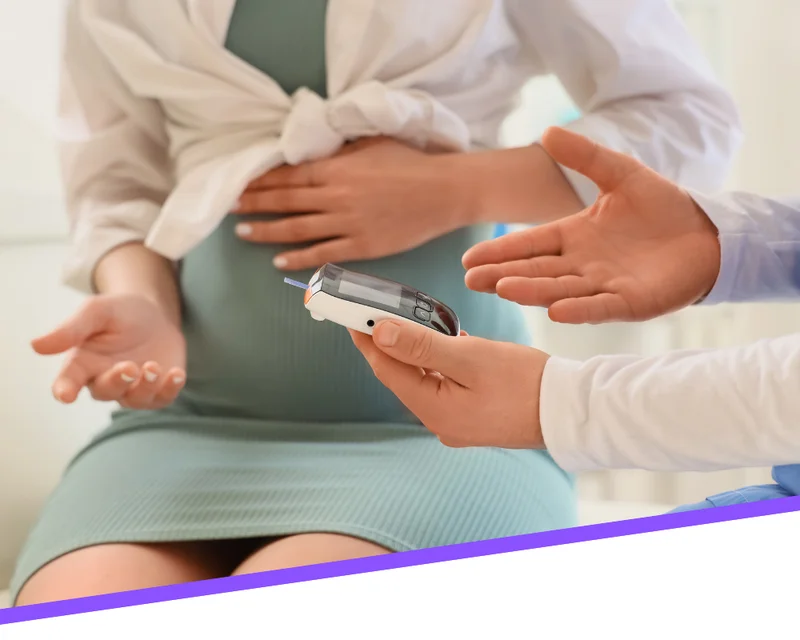
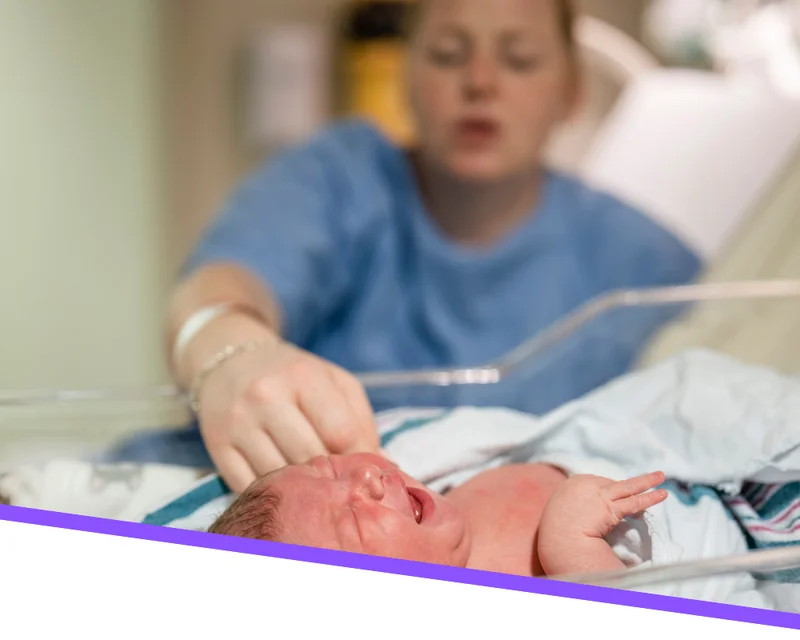
Because France is lagging behind its European neighbors. It’s as simple as that. The Ministry of Health does not mince words: the findings are concerning: France has a maternal and infant mortality rate higher than that of its main European neighbors, maternal mortality is stagnating, and infant mortality, particularly neonatal, is increasing. Public Sénat
The detailed figures from Medadom are telling: INSEE indicates that in 2024, 2,700 children under one year old died in France, which translates to 4.1 deaths per 1,000 live births, and specifies that between 2011 and 2024, the rate rose from 3.5% to 4.1%. Culture RH
It is rare to see a maternal health indicator deteriorate in a developed country. France is losing ground, and this plan officially aims to remedy that.
National Fertility and Perinatal Health Plan: The Figures That Triggered the Alarm
Before diving into the details of the measures, let’s understand the scale of the problem.
Infertility, a Massive Reality


As noted by info.gouv.fr, one in eight couples experiences difficulties in this area. One in eight. That’s huge. It means that among your friends, family, and colleagues, there is certainly someone struggling to conceive, often in silence. Ameli
The Historic Decline in Birth Rates


The French demographic context is undergoing a significant shift. Birth rates are falling year after year, and this is partly what has pushed the government to act. Paillettes Magazine summarizes the situation well: this plan comes in a context of declining births in France, which increases attention to issues of fertility and perinatal health. In France, about one in eight couples encounters difficulties in conceiving. YouTube
Territorial and Social Inequalities


This is another alarming finding: depending on where you live, you do not have the same chances of experiencing a healthy pregnancy. Maternity wards closing in rural areas, medical deserts, lack of gynecologists, shortage of midwives: maternal care in France is two-tiered. This plan aims to address these inequalities.
The 4 Axes and 16 Measures of the Fertility Plan Explained Simply
The fertility plan is organized around 4 main axes, as detailed by the National Council of Midwives. Here’s what it means for you.
Axis 1: Better Informing You About Your Reproductive Health


This is probably the most accessible measure and one that concerns you starting today.
As detailed by Actu Drancy, the first major action involves creating a national portal on reproductive health, accessible via Sante.fr, followed by a communication campaign planned for the end of 2026. CAF
In concrete terms, this means that ultimately you will have:
- A unique official portal to inform you about your fertility, without having to sift through 50 contradictory websites
- Scientifically validated information on reproductive health at all ages
- A personalized letter sent to all French citizens at age 29 to assess their fertility (yes, to your partner too)
- A national communication campaign to combat misconceptions
This is a real advancement. How many times have you wondered, "At what age should I really start to worry?" or "Is it normal for it to take this long?" Now, you will finally have official and reliable answers.
Axis 2: Earlier Detection of Fertility Issues


The National Council of Midwives details that among the 16 initial measures, the minister emphasized prevention and information by announcing the establishment of an information portal on reproductive health and fertility that gathers reliable, scientifically validated information tailored to different life stages. France 3 Hauts-de-France
The plan also includes:
- Strengthening reproductive health education in schools (the National Education system is involved)
- Upcoming recommendations from the High Authority of Health on pre-conception health (the time before getting pregnant)
- Improving the diagnosis of polycystic ovary syndrome (PCOS), which affects 1 in 10 women but remains underdiagnosed
- Platforms for early detection of environmental risk factors (endocrine disruptors, pollution, stress)
Axis 3: Improving Care Pathways and Access to ART


This axis directly concerns couples struggling to conceive.
Actu Drancy specifies an important measure: the government plans to nearly double the number of centers for egg freezing, reaching 70 authorized centers by 2028. CAF
In concrete terms:
- Doubling of egg freezing centers: you will be able to freeze your eggs more easily, even outside ART, close to home
- Establishing a national system for managing gamete and embryo donations: less waiting, more transparency
- Improving ART pathways: faster, better-coordinated care
- Strengthening support for vulnerable populations: so that ART is not reserved for wealthy families
Axis 4: Strengthening Research on Infertility


This is the least immediately visible axis, but essential in the long term. France is investing to understand why more and more couples are having difficulty conceiving, in relation to environmental, dietary, and hormonal factors.
The Perinatal Health Component: What Will Change for Pregnant Women
While the fertility plan mainly concerns those who want or are trying for a baby, the perinatal health project concerns all pregnant women and those who have recently given birth.
The Ministry of Health announces that this work will cover the entire perinatal pathway, from prevention before and during pregnancy to post-natal follow-up, including the functioning of maternity wards, emergency management, neonatology, and care for the most vulnerable populations distanced from the healthcare system. Public Sénat
In clear terms, here’s what will be addressed by June 2026:
Prevention Before and During Pregnancy


How to help you better prepare your body before pregnancy? How to prevent complications during the 9 months? How to better detect high-risk pregnancies?
The Functioning of Maternity Wards

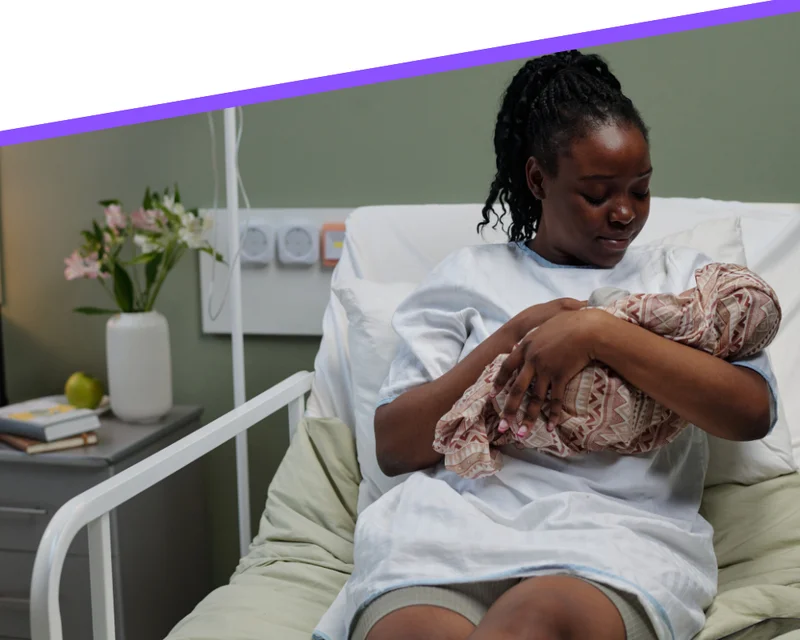
This is undoubtedly THE hot topic. Many small maternity wards are closing, forcing some women to travel more than 60 km to give birth. The plan aims to tackle this issue and the shortage of midwives.
Management of Obstetric Emergencies


When something goes wrong during childbirth, the response time makes all the difference. The plan aims to strengthen emergency protocols across the territory.
Post-Natal Follow-Up


This is the great forgotten aspect of French maternal health. Too many women are left alone facing baby blues, post-partum depression, and physical complications. This project aims to remedy that.
Care for Vulnerable Populations

Women in precarious situations, undocumented immigrants, those geographically isolated, minors: these populations, which often slip through the cracks, will receive special attention.
What This Plan Doesn’t (Yet) Address and Current Criticisms
Like any ambitious plan, it has its limits and criticisms. Let’s be honest with you.
Senator Véronique Guillotin has called on the government regarding a crucial point: while this initiative, to be commended, recognizes the fragilities of our healthcare system and the need for urgent reforms, it still postpones concrete decision-making, even though the Senate submitted a comprehensive report on this subject to the Government at the end of 2024. Ameli
In other words: we already have many studies, many findings. What professionals and future moms are now waiting for are concrete actions on the ground, not just announcements.
Other criticisms focus on:
- Funding: an ambitious plan but what resources are really allocated?
- Timing: June 2026 for perinatal conclusions is still far away
- Operational implementation: who does what, where, when?
- The role of midwives: a profession in chronic understaffing
How to Benefit from the Plan’s Advances as a Future Mom Right Now
The plan is progressive, but some measures are already starting to roll out. Here’s how to benefit from them today.
If you are preparing for a pregnancy
- Consult your doctor for a pre-conception assessment (smear test, serologies, folic acid supplementation)
- Gather information about your reproductive health from official sources
- Adopt a healthy lifestyle at least 3 months before the baby project
- Reduce your exposure to endocrine disruptors (cosmetics, food, household products)
- Monitor your menstrual cycle to detect any irregularities
If you are pregnant
- Take advantage of the 8 childbirth preparation sessions fully reimbursed
- Don’t hesitate to request an early prenatal interview starting in the 4th month (free and valuable)
- Follow the 7 mandatory prenatal appointments fully reimbursed
- Learn about the new maternity booklet for 2026 which now includes mental health