Understanding Breast Milk Donation: Essential Insights for Mothers
On May 19, we recognize the significance of breast milk donation. This article explores the vital role of milk banks and answers common questions for potential donors.
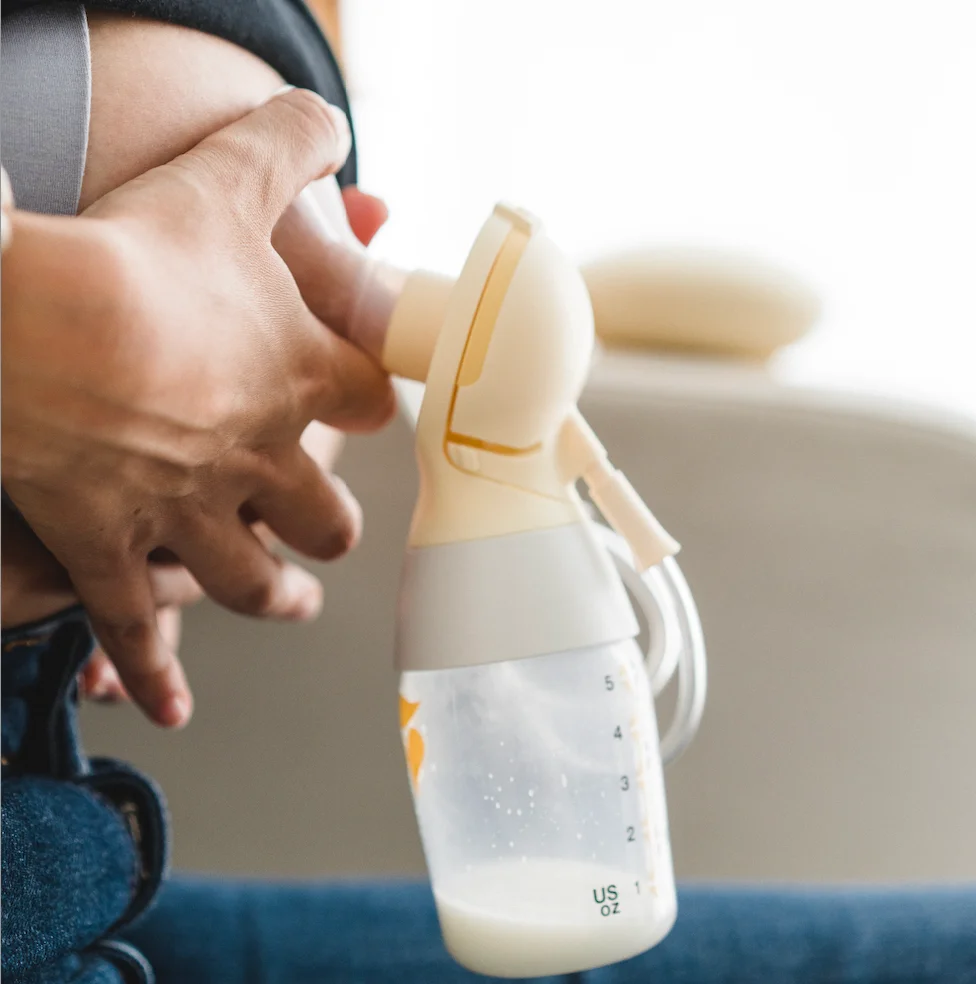
May 19 marks the International Day of Breast Milk Donation, a significant occasion to highlight the importance of milk banks and the invaluable contributions of women who choose to donate their breast milk. To shed light on this topic, we consulted Sheila Piñol, a pediatric nurse and IBCLC at LactApp Barcelona, who is also a key advocate for the milk bank delegation in Lleida.
Sheila has prepared an informative article addressing common questions about the donation process.
Breast milk donation is a life-saving act. For many premature or ill infants in neonatal units, receiving human milk when their own mother's milk is unavailable can significantly impact their recovery and development.
Despite its importance, many mothers are unaware of their eligibility to donate or have questions about the process.
Key Questions for Potential Donors
- Who can donate?
- What if I have frozen milk?
- Where should I go to donate?
- Will donating affect my own breastfeeding?
Here’s everything you need to know.
The Importance of Donating Breast Milk
Donated human milk serves as the best alternative for premature or ill infants who cannot receive enough milk from their own mothers. The primary recipients are often premature babies, particularly those born with very low birth weight, although it can also be beneficial in other specific medical situations.
Breast milk provides essential protection against infections and severe complications, supports digestive maturation, and enhances clinical outcomes.
Who Benefits from Donated Milk?
The milk collected is primarily directed towards infants in neonatal units, especially:
- Premature infants born at less than 32 weeks of gestation
- Newborns weighing less than 1500 grams
- Babies with digestive or cardiac conditions
- Newborns at high risk of intestinal complications
- Other situations of neonatal vulnerability
The focus remains on meeting the needs of the most fragile hospitalized infants.
Eligibility to Donate
Generally, any mother can become a donor if she:
- Is currently breastfeeding and has established lactation
- Is in good health
- Does not smoke or use drugs
- Does not have illnesses or treatments that are incompatible with donation
- Mothers who have experienced the loss of a baby can also donate
- Induced lactation is also accepted
Specific criteria may vary by milk bank, so it's crucial to contact your local bank for details. Importantly, the donor's own baby remains the priority: donations are made solely from surplus milk and will not compromise the donor's lactation or the growth of her child. The goal is to create a surplus to share with the milk bank.
How to Become a Donor
In Spain, there are various human milk banks across different autonomous communities. In Catalonia, the milk bank is centralized in Barcelona, although there are hospitals and partner centers where mothers can donate and deliver milk.
To find the nearest milk bank or learn how to become a donor, visit:
- Catalonia: bancsang.net/llet
- Spanish Association of Human Milk Banks (AEBLH): https://www.aeblh.org/banco-de-leche/bancos-de-leche-en-espana
- Portugal: https://www.ulssjose.min-saude.pt/projetos-inovadores/banco-de-leite-humano/
- European Milk Bank Map: https://europeanmilkbanking.com/map/
- United Kingdom: https://ukamb.org/find-a-milk-bank/ and https://humanmilkfoundation.org/
- North America: https://www.hmbana.org/find-a-milk-bank/overview.html
- International Milk Bank Directory: https://internationalmilkbanking.org/index/worldbanks/
Many banks also offer collection points or transportation systems to facilitate donations.
Donation Process Overview
While the process may vary slightly between milk banks, it generally follows these steps:
1. Initial Contact
The mother reaches out to the milk bank or partner center for information.
2. Health Interview and Questionnaire
An interview is conducted to discuss medical history, habits, and medications.
3. Health Screening
A health screening is usually required to ensure the safety of the donated milk.
4. Information on Extraction and Storage
The bank provides guidance on hygiene measures, storage, and labeling of the milk.
5. Milk Delivery or Collection
Once the interview and screening are completed, the mother can begin milk extraction at home. Depending on the community or center, the milk can either be delivered to partner hospitals or collected from the donor's home.
Storing Milk for Donation
Recommendations for storing donated milk can vary slightly between banks, but generally include:
- Practicing proper hand hygiene before extraction.
- Cleaning the pump after use and sterilizing it daily.
- Using appropriate containers.
- Labeling milk with name and extraction date.
- Freezing it immediately or as soon as possible.
- Maintaining a proper cold chain.
Many banks provide necessary information and often supply storage containers and pumps.
Can I Donate Frozen Milk?
Many mothers wonder if they can donate milk that is already frozen. In many instances, yes, as long as it has been stored correctly, extracted under hygienic conditions, and has not exceeded the maximum storage time set by the milk bank.
Each bank may have different criteria, so it’s advisable to check with them before discarding any stored milk.
Will Donating Affect My Own Breastfeeding?
It generally should not. Donations are made from surplus milk, with the priority being the donor's own baby. Many mothers start by donating small amounts and adjust their contributions based on personal and family circumstances.
Helpful tips include: making brief and frequent extractions, pumping from one breast while the baby is nursing from the other, extracting early in the morning, viewing videos or pictures of the baby, finding a calm and pleasant space, and choosing the right pump size. More information on these tips can help increase milk yield.
A Small Gesture with a Big Impact
You don’t need to fill freezers to make a difference: every drop counts. You can donate as much or as little as you wish, at your own pace.
Breast milk donation is an altruistic act that helps provide the best possible nutrition to especially vulnerable infants. Thanks to the generosity of numerous donor mothers, thousands of newborns benefit from human milk each year when they need it most.
What may seem like a small surplus to one mother can mean so much more than just food for another baby.