Navigating Italian Bureaucracy for Child Disability Benefits: A Parent's Guide
A comprehensive guide for families navigating the Italian bureaucracy for civil invalidity, attendance allowances, and educational support for children with disabilities.
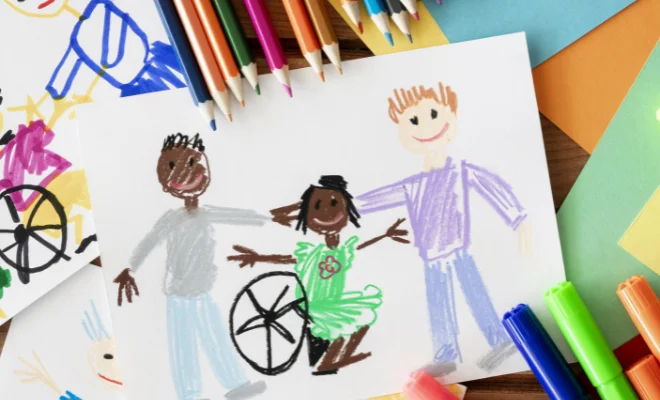
Dealing with Italian bureaucracy can be a daunting task, especially for families seeking assistance for children with disabilities. The complex processes surrounding civil invalidity, attendance allowances, and educational support can leave parents feeling overwhelmed and unsure of where to turn for help.

Having recently navigated this system myself, I understand the challenges involved in applying for civil invalidity, attendance allowances, and educational support. This guide aims to simplify the process for families with children facing persistent difficulties in performing age-appropriate functions due to clinical conditions.
Understanding Civil Invalidity for Minors
Civil invalidity is a legal qualification that acknowledges a health condition in minors, indicating persistent difficulties in performing tasks typical for their age. The relevant legislation includes Law 118/1971 and its amendments. Unlike adults, minors do not receive a percentage reduction in work capacity; instead, they are simply recognized as “disabled.”
Importance of Civil Invalidity
Obtaining civil invalidity status is crucial for several reasons:
- It grants access to economic benefits (such as attendance allowances or, in severe cases, accompanying allowances).
- It serves as the basis for educational certifications and socio-health rights.
- It can facilitate educational support through related certifications under Law 104/92.
Steps to Obtain Civil Invalidity: Diagnosis
The first step in securing civil invalidity for a minor is obtaining a diagnosis. This involves:
- Consulting with a primary care physician/pediatrician or a specialist to receive a medical certificate detailing the child's clinical condition and diagnosis.
- Requesting that the physician submit the certificate electronically to INPS, which is essential to initiate the process.
Important reminder: The electronically submitted certificate is valid for 90 days. This means you must act within this timeframe to complete the application process; otherwise, the certificate will expire, requiring renewal.
Submitting the Application to INPS
The next step is to submit the application to INPS, which can be done either online through the INPS portal or by visiting a patronage or CAF. If you choose the latter, it’s advisable to schedule an appointment as soon as possible to ensure submission within the 90-day validity of the medical certificate.
If you prefer to apply personally, you must first obtain authorization from INPS to act on behalf of your child. This can also be done independently via the INPS portal.
Once you have the authorization, you can:
- Log into the INPS site using SPID/CIE/CNS.
- Submit the request for health assessment for civil invalidity, including:
- The minor's personal details;
- The medical certificate;
- Any additional clinical documentation.
The electronic system will forward your request to the relevant ASL/Medical Commission.
Medical Assessment
ASL will send you a notification to attend a health assessment with the Integrated Commission (composed of health professionals and INPS representatives). This visit will involve a clinical evaluation and observation of the child's difficulties in relation to age-appropriate functions.
Results and Documentation
- After the assessment, you will receive a report detailing the outcome.
- For minors, this report does not specify percentages but simply indicates the condition of civil invalidity. If the outcome is positive, civil invalidity is formalized, allowing access to additional benefits.
Attendance Allowance
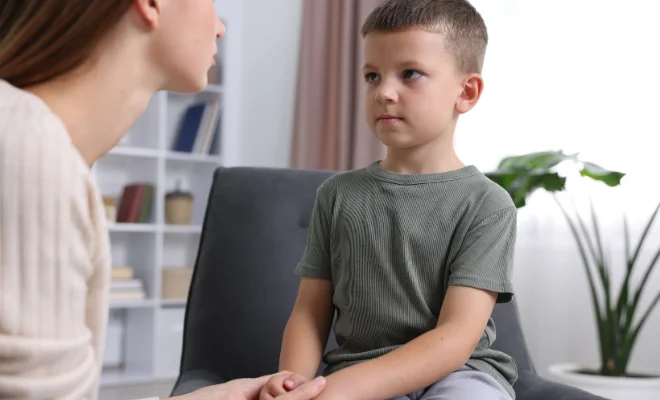
The attendance allowance is a monthly financial benefit for minors under 18 who have recognized persistent difficulties in performing age-specific functions. Its aim is to support school, social, or rehabilitative inclusion.
Key Features:
- It is available to minors with recognized civil invalidity or similar conditions causing persistent difficulties.
- It is linked to school or therapeutic attendance (e.g., school, specialized centers).
- As of 2026, the allowance is approximately €340.71/month for the academic year, subject to annual income limits set by INPS.
It’s important to note that this allowance is not necessarily tied to the recognition of civil invalidity under Law 104/92; it can also be requested for other conditions that meet health criteria, such as certain learning disorders.
How to Apply for Attendance Allowance
If you have already gone through the process for civil invalidity, you can request the attendance allowance concurrently, and it will be granted alongside the civil invalidity report.
If you haven’t applied for civil invalidity, follow these steps:
- Log into the INPS portal.
- Select the service for attendance allowance.
- Complete the online application.
- Attach:
- Any civil invalidity report;
- School or specialized center attendance certificate;
- Clinical documentation.
In some regions, annual attendance confirmation from the school or center may be required.
Processing times vary by ASL/INPS, but the medical assessment should occur within 3 months of the application. The attendance allowance is granted to the minor, meaning any income considered for the annual limit pertains to the minor, not the parents or family unit. Additionally, it is not factored into the ISEE, so it does not affect tax deductions or other bonuses.
Educational Support: What It Is and How to Activate It

Educational support pertains to teaching and educational inclusion. It is not a financial benefit but a right for students with disabilities.
Key Legislation
- Law 104/1992 guarantees the right to education and school integration.
- Implementation guidelines and decrees (D.Lgs. 66/2017 and subsequent amendments) govern the practical application of support and inclusion through personalized educational tools.
Family Steps to Obtain Educational Support: Certification of Invalidity under Law 104/92
The first step mirrors that of the civil invalidity process but requires a specific request:
- Consult a pediatrician or specialist.
- Explicitly request certification for Law 104/92.
The physician will complete the INPS introductory medical certificate, indicating:
- Diagnosis;
- Functional impairments;
- Need for educational/school support.
INPS Application (Civil Invalidity + 104 Together)
On the INPS portal, either personally or through a patronage/CAF, you can submit a single application selecting:
- Civil invalidity assessment;
- Handicap assessment (Law 104/92).
It is crucial to select both together to ensure a single visit.
Medical Commission Assessment

The child will be invited to an assessment by an Integrated ASL Commission. The Commission evaluates:
- Clinical diagnosis;
- Impact on daily life;
- Impact on school functioning.
The outcome will be a report recognizing disability, which may state:
- art. 3 comma 1 → non-severe handicap;
- art. 3 comma 3 → severe handicap.
Both statuses entitle the child to educational support, though the distinction affects the intensity of support and additional rights for parents (such as work permits and priority).
Submitting Certification to the School
Once you receive the 104 report, deliver it to the school. If the child is yet to enroll, the certification should accompany the registration. If it arrives after the school year has started, the school is still obligated to activate support.
Functioning Profile (Formerly Functional Diagnosis)
This is often an overlooked but crucial step. If you do not have a functioning profile at the time of the support application, the ASL Commission will grant you 90 days from the assessment date to obtain and submit this documentation.
There are two options:
- Obtain it for free through the local UONPIA;
- Pay for it at an accredited private center.
In the first case, you may face long waiting lists, sometimes extending up to two years. In the second case, you can acquire the necessary documentation within 45 to 60 days, but costs can be significant, ranging from €700 to €1100.
Request for Care from the Child Neuropsychiatry Service (ASL)
With the 104 report or pediatric certification, families should contact the ASL/NPI to obtain the: 👉 Functioning Profile (under D.Lgs. 66/2017).
This document outlines:
- Cognitive abilities;
- Language skills;
- Autonomy;
- Relationships;
- Learning;
- Educational needs.
Request for Child Neuropsychiatry Visit at Private Center
If you opt for a private accredited center, bring along all previously acquired clinical documentation. Once you receive the Medical Diagnostic Functional Certification, submit it to the commission to facilitate the educational support process.