The Impact of Growing Up with Pets on Children's Emotional Development
Exploring the scientific benefits of growing up with pets, including enhanced empathy and emotional well-being in children.
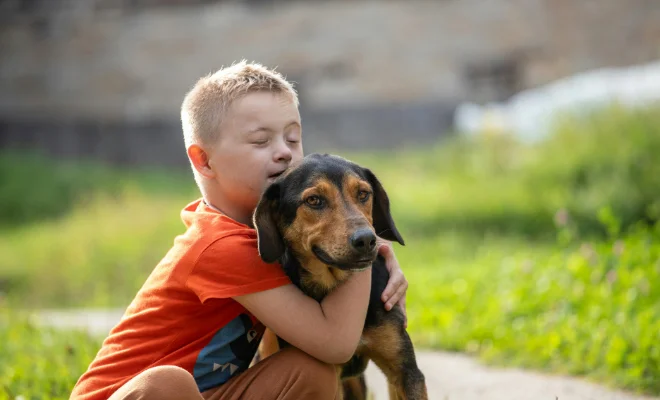
The presence of pets in a child's life is increasingly being recognized for its potential benefits. Many parents are curious about whether having a pet truly influences their children's development or if it is merely an emotional perception. Recent scientific research provides a definitive answer: living with a pet can enhance empathy, emotional well-being, and social skills, particularly in children aged 0 to 10, as long as the relationship is guided by responsible adults.
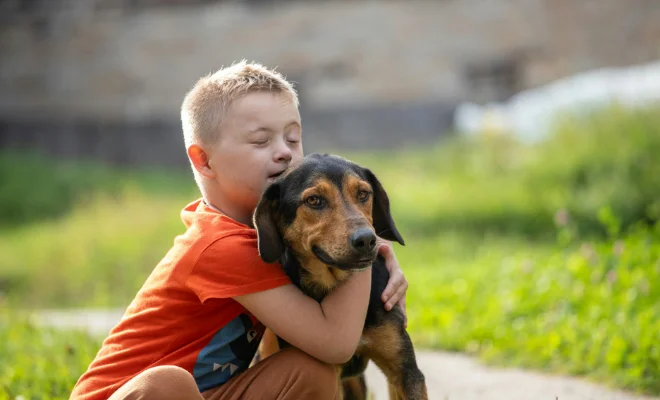
Pets and the Development of Empathy in Children
Multiple studies in psychology and education indicate that children who grow up with pets exhibit higher levels of empathetic and prosocial behaviors compared to their peers without pets. Daily interactions with animals require children to observe non-verbal cues, recognize needs, and respect boundaries, fostering continuous attention to others.
Research in the field of Human–Animal Interaction suggests that this type of relationship contributes to the development of theory of mind, which is the ability to understand that others have different emotional states and intentions. During early childhood, this learning occurs primarily through concrete experiences rather than verbal communication, making pets powerful emotional facilitators, especially for sensitive children or those facing relational difficulties.
Quality of Life and Emotional Well-Being: What Does Science Say?
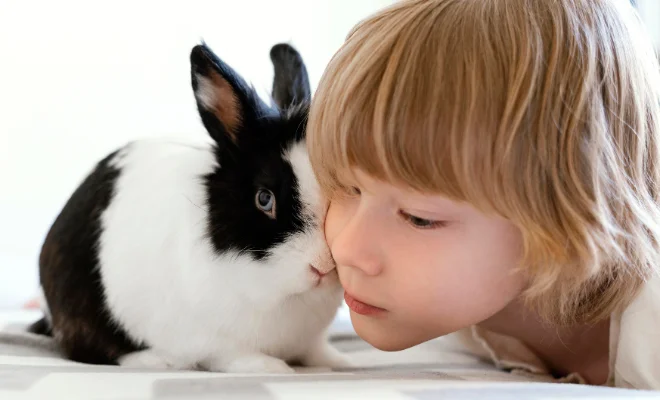
Scientific literature generally associates pet ownership with lower stress levels, greater emotional stability, and improved psychological well-being in children. Observational and longitudinal studies reveal a significant correlation between living with pets and reduced anxiety, loneliness, and emotional difficulties during early childhood and school years.
Pets serve as a constant, predictable, and non-judgmental source of support. This aspect is particularly important during transitional periods—such as starting preschool, family changes, and social challenges—where children can find a secure emotional base in their pets. While pets do not replace adult roles, they can enhance emotional resilience through a stable and affectionate relationship.
Living with a Cat: Specific Benefits for Sensitive Children
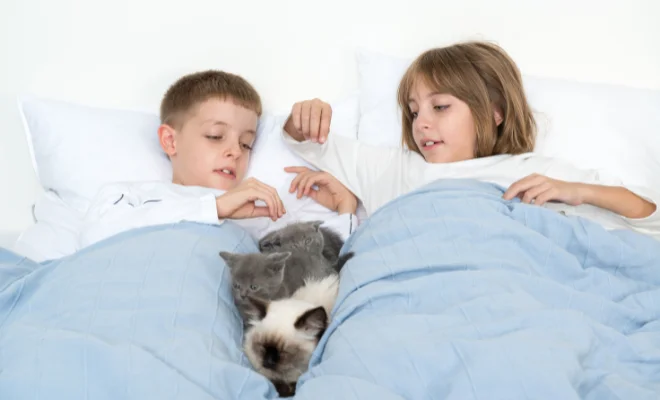
Some research has even differentiated the benefits based on the type of pet. Specifically, certain observational studies suggest that living with cats may offer unique advantages for reflective, introverted, or particularly sensitive children.
Unlike other pets, cats require interactions based on respect for their timing, observation, and self-regulation. This dynamic fosters patience, self-control, and awareness of subtle emotional signals, which are essential skills for socio-emotional development. Studies involving pediatric populations with vulnerabilities, such as anxiety disorders or autism spectrum disorders, indicate that having a cat can help reduce anxiety and improve daily interactions when integrated into a balanced family environment.
In Conclusion
While growing up with a pet does not guarantee healthy emotional development, it creates a rich educational context filled with opportunities. When the relationship is nurtured by adults who emphasize respect and responsibility, pets can become powerful allies in a child's harmonious growth, promoting empathy, emotional well-being, and deep social skills.
Share Your Experience!
Do you have pets at home? How do you think their presence has influenced your child's growth and development? We look forward to reading your comments!
Scientific References
- Beetz, A., Uvnäs-Moberg, K., Julius, H., & Kotrschal, K. (2012). Psychosocial and psychophysiological effects of human–animal interactions: The possible role of oxytocin. Frontiers in Psychology, 3, 234.
- Purewal, R., Christley, R., Kordas, K., Joinson, C., Meints, K., & Gee, N. (2017). Companion animals and child/adolescent development: A systematic review of the evidence. International Journal of Environmental Research and Public Health, 14(3), 234.
- Melson, G. F. (2001). Why the Wild Things Are: Animals in the Lives of Children. Harvard University Press.
- Gadomski, A. M., Scribani, M. B., Krupa, N., & Jenkins, P. (2015). Pet dogs and children’s health: Opportunities for chronic disease prevention? Preventing Chronic Disease, 12.
- Grandgeorge et al., 2012 – PLoS ONE, Does Pet Arrival Trigger Prosocial Behaviors in Individuals with Autism? Grandgeorge M, Tordjman S, Lazartigues A, Lemonnier E, Deleau M, Hausberger M (2012) Does Pet Arrival Trigger Prosocial Behaviors in Individuals with Autism? PLoS ONE 7(8): e41739.