Creating Memorable Family and Summer Events with Engaging Attractions
Explore how to create engaging summer and family events with attractions like surf simulators, ensuring fun and safety for all ages.
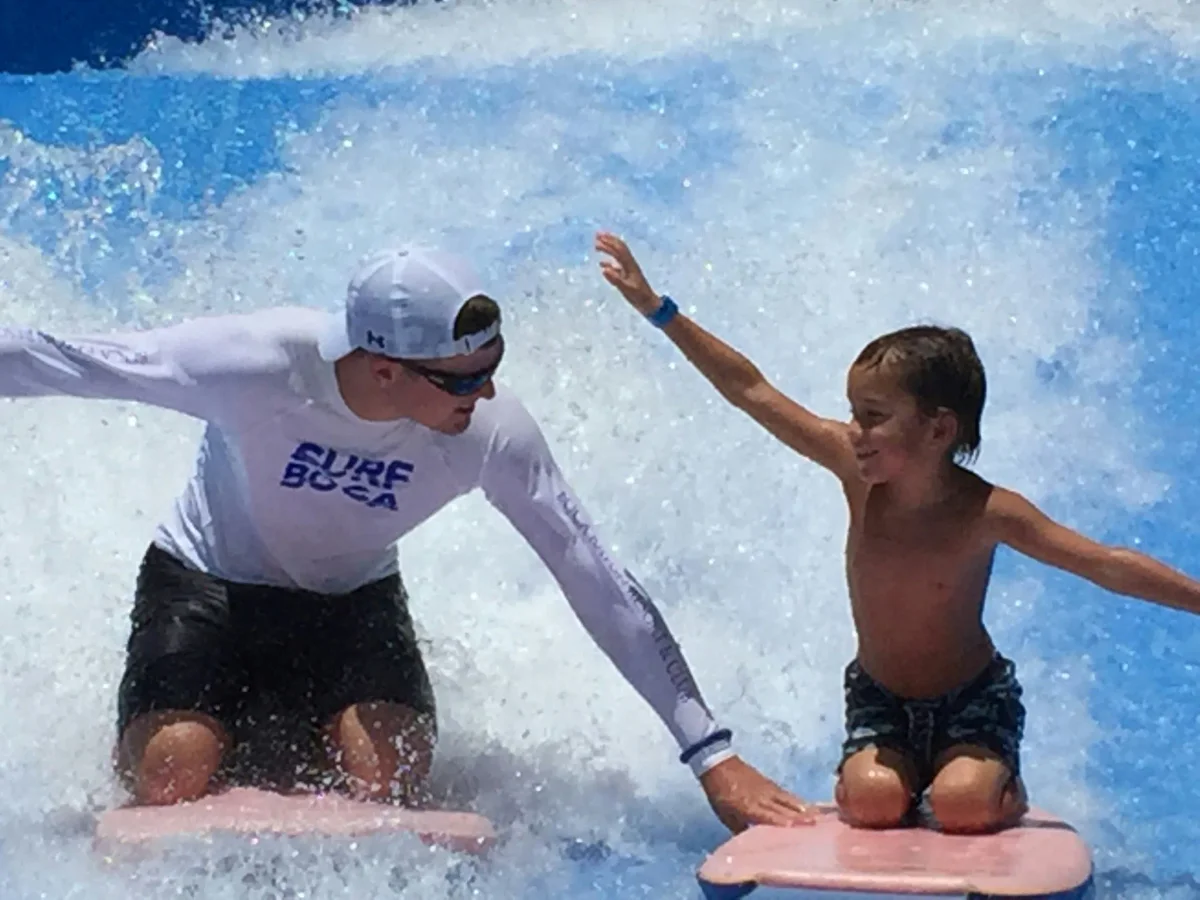
A successful summer or family event thrives on attractions that encourage movement, foster real experiences, and can be organized with ease. This is where professional event modules come into play: they capture attention, promote interaction, and can be tailored to fit the occasion, audience, and available space.
One standout option is the surf simulator, which allows two guests to surf simultaneously, making it an exciting choice for many family gatherings due to its low fall height. Renting instead of purchasing offers additional benefits, including technical assistance, consultation, and comprehensive setup and takedown services.
Selecting the Right Attractions for Your Event
Choosing the appropriate attractions depends on three key factors: the age of the guests, the available space, and the nature of your event. For instance, a city festival catering to young families will have different focal points compared to a club anniversary, a school event, a vacation program, or a summer festival with a mixed audience of children, teens, and adults.
Many successful events utilize a blend of familiar classics and crowd-pleasing highlights. Bouncy castles reliably attract younger children, while a surf simulator quickly becomes a focal point for older kids, teens, and adults. Active modules like human soccer, bungee runs, or rodeo bulls add dynamism to the program, fostering team spirit and often delighting spectators as well. This mix is particularly valuable for larger or professionally organized events, as it appeals to various age groups simultaneously.
It’s important to view attractions as part of a cohesive overall flow. Action-oriented modules typically work best at the edges of the space, while quieter interactive offerings should be positioned closer to seating areas, meeting points, or family zones. This arrangement creates a vibrant event that is also easy to manage.
Understanding the Surf Simulator
A surf simulator is a mobile event module that simulates the experience of surfing on a stationary surface. Instead of real waves, the system uses a moving surface that participants must balance against. Modern setups often feature a dual system, allowing two guests to compete side by side. This competitive aspect adds to the excitement, drawing attention at festivals, promotional events, and activity areas.
The surf simulator is suitable for older children, teens, and adults. Since the surface remains dry and the fall height is low, swimming skills are not required, making it easy to integrate into supervised event concepts. This makes it appealing for summer festivals, club events, holiday activities, and many other formats where experience, audience engagement, and professional execution are key.
For those looking to avoid the costs of purchase, storage, and maintenance, renting a surf simulator is an excellent option—often including delivery, setup, and supervision. This significantly eases the burden on organizers, ensuring the module is operated correctly.
Safety Considerations for the Surf Simulator
Safety with a surf simulator is primarily ensured by its construction and professional supervision. Modern devices use low-profile motors that allow for a low fall height. If a participant loses their balance, the descent is short and cushioned by padded surfaces. Additionally, trained staff manage the speed, adjust movements according to participants' skills, and can stop the device immediately if necessary.
For inflatable attractions like bouncy castles, compliance with the DIN EN 14960 standard is an important quality criterion for construction and safety. However, this standard does not directly apply to the surf simulator, as it does not feature an inflatable structure but rather its own technology. Therefore, it is crucial that setup, operation, and supervision of supervised event modules are conducted by knowledgeable personnel and that the equipment is used responsibly.
Space and Power Requirements
When planning, two key values are particularly important: the footprint and power supply. A surf simulator typically requires a footprint of approximately 7 x 5 meters, plus a safety distance around it to keep spectators and waiting guests out of the movement area. The height of the device is about 4 meters, which should be taken into account when considering indoor venues.
For power supply, 2 x 230 volts are usually required. If suitable outlets are not available on-site, it's essential to determine early whether extension systems or a quiet generator will be needed. Coordinating these technical details in advance can help avoid unnecessary delays on the day of the event. A reputable provider will specify the exact requirements for the specific module beforehand.
Attractions by Age Group: From Toddlers to Teens
Not every attraction is suitable for every age group. When planning modules by age group, you create offerings that feel secure, are well-received, and meet the diverse expectations of your audience.
For young children in preschool, smaller bouncy castles with low walls, soft interactive stations, and safe play areas where parents can stay close are ideal. Here, a manageable environment is key.
For elementary school-aged children, more active options are appropriate. Larger bouncy castles, simple sports modules, and skill stations tap into their natural urge to move and create playful success experiences.
For older children, teens, and adults, attractions with a competitive edge are ideal: the surf simulator as a balance challenge, the bungee run as a sprint against resistance, the rodeo bull as a physically engaging highlight, and human soccer as a team sport with high fun factor. These attractions are particularly suited for events where both participation and observation are part of the experience.
A well-balanced age mix does not mean providing as many similar modules as possible. Often, a targeted combination of a bouncy castle for younger children and a striking highlight for older guests is sufficient. This keeps the program organized while still offering variety.
Movement and Team Fun: Popular Attractions
Many beloved event modules combine movement, competition, and shared experiences. Below is an overview of typical attractions with their approximate age suitability, space requirements, and unique features.
| Attraction | Suitable Age | Space Requirement (approx.) | Unique Feature | |----------------------|----------------------------------|-----------------------------------|------------------------------------------------------| | Surf Simulator | Older children, teens, adults | approx. 7 x 5 m plus safety distance | Dual system for 2 surfers, low fall height | | Human Soccer | From elementary school age to adults | Larger open space, table soccer-like | Team sport with fixed rods | | Bouncy Castle | Depending on model, from toddler age | Variable, depending on model size | Quality criterion DIN EN 14960 | | Bungee Run | From elementary school age to adults | Long track for two runners | Sprint against a rubber band | | Rodeo Bull | Older children to adults | Padded round area | Ride on a moving bull with mats |
These specifications are meant as a guideline and may vary depending on the design. A professional rental service will provide precise measurements, power needs, and recommended age ratings for each specific module, making it easier to choose for private celebrations as well as for club events, community gatherings, or professionally organized formats.
Planning a Summer or Family Event: The Checklist
The better the preparation, the smoother the event will run. The following checklist helps clarify key points early on—whether for a private celebration or a larger gathering with many guests.
- Space: Is there enough area for the desired modules, including safety distances?
- Power: Are suitable outlets available, or will additional equipment be needed?
- Program and Target Groups: Do the attractions match the age mix, occasion, and expected visitor structure?
- Weather and Alternatives: Is there a plan for rain or severe weather for outdoor events?
- Permits: Are there any registrations or municipal requirements to consider for public events?
- Supervision and Care: Is it clear how each station will be supervised and which modules require professional staff?
Especially for public events, it’s wise to review legal frameworks early on. An initial overview of event safety provided by the relevant authorities can be helpful. When these points are coordinated in advance, the event day can be organized with greater confidence.
Renting vs. Buying: Benefits for Families, Clubs, Schools, and Professional Organizers
For most organizers, renting event modules is significantly more economical than purchasing them. This applies to family celebrations and school activities as well as for clubs, cities, agencies, or companies with temporary event spaces. Attractions like surf simulators, bouncy castles, or human soccer are typically only used occasionally. The costs of purchasing, storing, and maintaining them often do not align with actual needs.
Renting offers several practical advantages:
- Tailored Selection: You choose the module that fits the audience, space, and event goals for each occasion.
- Reduced Organizational Effort: Delivery, setup, and technical instructions can be arranged directly with the provider.
- Supervised Attractions: Many modules include trained personnel as part of a sensible overall concept to ensure professional execution and safety.
- Checked, Well-Maintained Equipment: Organizers do not need to handle maintenance, storage, and ongoing inspections themselves.
One example of such a provider is Spass Verleih, which has been equipping events with event modules for over 15 years. The company delivers supervised attractions, assists with planning, and, if desired, handles setup and takedown—making it a practical solution for private celebrations as well as for clubs, schools, and larger events. Those interested in delving deeper into safety aspects for events can find general guidelines on prevention and safe execution from the German Statutory Accident Insurance.
FAQs
What attractions are suitable for a family event? A mix of offerings for different age groups works particularly well. A bouncy castle appeals to younger children, while a surf simulator or human soccer also engages older kids, teens, and adults. This creates a program that reaches many guests simultaneously. The best modules depend on space, occasion, and audience.
At what age is a surf simulator suitable? A surf simulator is generally appropriate for older children, teens, and adults. Thanks to its low fall height and controllable movement, the module can be adjusted to different skill levels. Supervision by trained personnel remains essential. The rental company will specify the exact age rating for each model.
How safe is a surf simulator? Safety is based on the combination of technical design and professional supervision. Low-profile motors allow for a low fall height, while padded areas minimize risks. A trained staff member ensures a safe experience by managing speed and making necessary adjustments during use.