
Weekly Menu for Pregnant Women to Avoid Weight Gain | Oh Mama Matrona
If you're looking for a weekly menu for pregnant women and feel like your body is on its own path, I completely understand. This guide provides a flexible menu to support your nutritional needs during pregnancy.
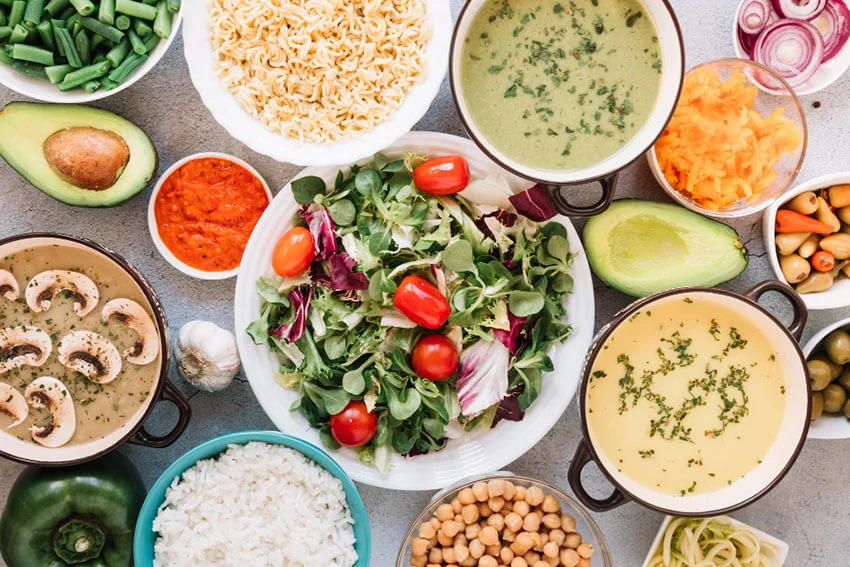
If you are looking for a weekly menu for pregnant women and feel like your body is on its own path, I completely understand you. Hormones fluctuate, appetite changes from one day to the next, and it's normal to worry about weight, energy, or even bloating.
Many women experience the same thing, and it's not unusual to feel different each day because hormonal changes also affect digestion, what you feel like eating, and your energy levels.
As a nutritionist, I see many women who feel just like you, and I want this menu to be a real help, not a rigid list that adds pressure. My intention is to provide you with some structure without overwhelming you, to ease the mental load of thinking about what to eat, and to allow for adaptation based on how you feel at any moment.
The goal is to support you, respect the changes in your body, and prioritize your physical and emotional well-being during pregnancy.
Table of Contents
- How much weight is healthy to gain during pregnancy?
- Weekly menu from Monday to Sunday with breakfast, lunch, dinner, and snacks
- Recipe 1: Avocado Toast with Poached Egg
- Recipe 2: Quinoa Salad with Vegetables and Chicken
- Recipe 3: Vegetable Soup with Lentils and Spinach
- Healthy Snacks to Control Cravings
- How to Adapt the Menu if You Have Gestational Diabetes
How much weight is healthy to gain during pregnancy?
Weight gain is one of the most concerning issues during pregnancy, and one of the most frequently asked questions in nutritional consultations relates to weight. Gaining weight on the scale can stir up many feelings, and it’s completely normal to feel anxious.
In general, healthy weight gain during pregnancy usually ranges from nine to fifteen kilograms, although every body and every story is different.
In the first trimester, the gain can be very small. Some women hardly gain anything and may even lose a bit if nausea has been intense. Lack of appetite and the digestive changes typical of these weeks also play a role, so it’s normal for the body to go a bit off course.
Later on, in the second and third trimesters, the pace usually picks up a bit. The growth of the baby, the placenta, and the increase in blood volume make the gain more evident. Still, part of this process does not depend entirely on you and is part of the natural adaptations of pregnancy.
As a professional, what matters most is that the gain is gradual (it’s not an exact figure), that you feel strong, and that your nutrition supports you in a real way. The essential thing is that you can navigate this stage by listening to your body and seeking habits that provide you with energy and well-being.
Weekly Menu from Monday to Sunday with Breakfast, Lunch, Dinner, and Snacks
The menu I propose is designed to provide quality nutrients, care for your digestion, and help you avoid feelings of heaviness. You can adapt it to your tastes, schedules, and circumstances. The important thing is that you feel it as support and not as another obligation among many.
Monday
- Breakfast: Whole grain toast with avocado and a hard-boiled egg.
- Lunch: Baked chicken with assorted vegetables and baked potato.
- Snack: Natural yogurt with chopped strawberries.
- Dinner: Creamy pumpkin soup with a handful of pumpkin seeds.
Tuesday
- Breakfast: Cooked oats with banana and walnuts.
- Lunch: Quinoa salad with vegetables and chicken explained below.
- Snack: Apple with a thin layer of unsweetened peanut butter.
- Dinner: Steamed hake with brown rice and a drizzle of olive oil.
Wednesday
- Breakfast: Whole grain bread with grated tomato and fresh cheese.
- Lunch: Whole grain pasta with light tomato sauce and fresh basil.
- Snack: A small handful of natural almonds.
- Dinner: Spanish omelet with sautéed spinach.
Thursday
- Breakfast: Natural yogurt with homemade granola and diced fruit.
- Lunch: Vegetable soup with lentils and spinach.
- Snack: A fresh, juicy pear.
- Dinner: Chickpea salad with cucumber, tomato, and red pepper.
Friday
- Breakfast: Whole grain toast with avocado and sesame seeds.
- Lunch: Stir-fried brown rice with chicken and grilled vegetables.
- Snack: Smoothie with natural yogurt and mango.
- Dinner: Carrot cream and a baked salmon fillet.
Saturday
- Breakfast: Oatmeal with mixed berries.
- Lunch: Vegetable quiche with a whole grain base.
- Snack: A couple of squares of dark chocolate with some nuts.
- Dinner: Homemade fish tacos with cabbage and a squeeze of lime.
Sunday
- Breakfast: Avocado toast with poached egg explained in the recipe below.
- Lunch: Grilled chicken with a complete salad of leafy greens and raw vegetables.
- Snack: Natural yogurt with diced apple.
- Dinner: Light seasonal vegetable soup.
Recipe 1: Avocado Toast with Poached Egg
This recipe is part of the special weekly menu for pregnant women because it provides healthy fats, quality proteins, and a good feeling of satiety without heaviness. It’s ideal for relaxed breakfasts or a quick lunch.
- Whole grain bread slices
- Ripe avocado
- Fresh eggs
- A few drops of lemon juice
- Moderate salt and pepper, if you tolerate it well
Mash the avocado with lemon juice until you get a smooth cream. Toast the bread and spread the avocado on top. To make the poached egg, heat water in a saucepan, and when it gently boils, stir with a spoon to create a small whirlpool. Crack the egg into a cup and carefully slide it into the center of the whirlpool. Cook for a few minutes until the white is set and the yolk remains creamy. Place the egg on the toast and add a pinch of salt. Enjoy it slowly if you can sit for a moment.
Recipe 2: Quinoa Salad with Vegetables and Chicken
This salad is very complete, hydrates, nourishes, and travels well in a container. It’s a good option for pregnant mothers who work outside the home and want to maintain an organized diet.
- Pre-washed and cooked quinoa
- Grilled chicken breast in strips
- Diced cucumber
- Small pieces of tomato
- Red or yellow bell pepper
- Extra virgin olive oil and lemon juice
Mix the cooled quinoa with the vegetables in a large bowl. Add the chicken strips and mix again. Dress with olive oil and lemon juice, adjusting the amount to your taste. You can prepare more and store it in the fridge for another day of the menu. It helps a lot to feel that the weekly menu for pregnant women is feasible in real life.
Recipe 3: Vegetable Soup with Lentils and Spinach
This soup is comforting, light, and rich in iron and fiber. It feels great on more tiring days or when the body craves something warm.
- Carrot sliced
- Diced zucchini
- Finely chopped onion
- Cooked and well-rinsed lentils
- Fresh spinach
- Mild vegetable broth
Sauté the onion with a bit of olive oil until it becomes transparent. Add carrot and zucchini, and sauté for a few minutes. Incorporate the broth and cook until the vegetables are tender. Add the lentils and spinach at the end so they retain their properties better. Let it simmer gently and serve hot. It’s a gentle way to care for your body and your baby at the same time.
Healthy Snacks to Control Cravings
Cravings are part of many pregnancy stories. You are not strange or whimsical for feeling that you need something specific at a given moment. Hormonal changes influence what you feel like eating and how energy moves throughout the day.
That’s why it’s useful to have options you like and that also care for you, so you can respond to those moments without guilt and without always resorting to less nutritious alternatives.
- Fresh fruit chopped and ready in the fridge.
- Natural yogurt with cinnamon or fruit.
- Hummus with carrot and cucumber sticks.
- Nuts or almonds, in small amounts.
- Whole grain crackers with fresh cheese or ricotta.
These snacks help stabilize blood sugar levels and prevent sharp spikes that can leave you feeling more tired or hungrier afterward. Additionally, being filling and easy to digest, they help maintain more stable energy levels and make cravings more manageable throughout the day.
How to Adapt the Menu if You Have Gestational Diabetes
Receiving a diagnosis of gestational diabetes can cause concern, especially at first. It’s a completely normal reaction. However, with the right nutritional adjustments and good monitoring, most women can navigate pregnancy safely and with a much greater sense of control.
The foundation of nutrition during this stage is to prioritize slow-absorbing carbohydrates, such as oats, brown rice, legumes, or whole grain bread. These types of foods help avoid sharp spikes in glucose. It’s also advisable to adjust portions and the timing of meals, not from a place of restriction, but from balance, to meet your needs without imbalances.
Another important point is to combine carbohydrates with vegetables, protein, or healthy fats in the same meal. This combination favors a more gradual absorption of glucose and helps the body manage it better. Maintaining relatively regular meal times and spreading meals throughout the day also contributes to greater stability.
If you feel overwhelmed with so much information, remember that you don’t have to do it alone. We can review your case together and adapt this weekly menu for pregnant women to your reality, your pace, and your tastes, so you truly feel cared for both inside and out.