
Healthy Eating for Pregnant Women | Oh Mama Matrona
When we talk about healthy eating for pregnant women, I know that the first trimester can feel like a roller coaster. Here is a guide to help you navigate this first phase of motherhood.
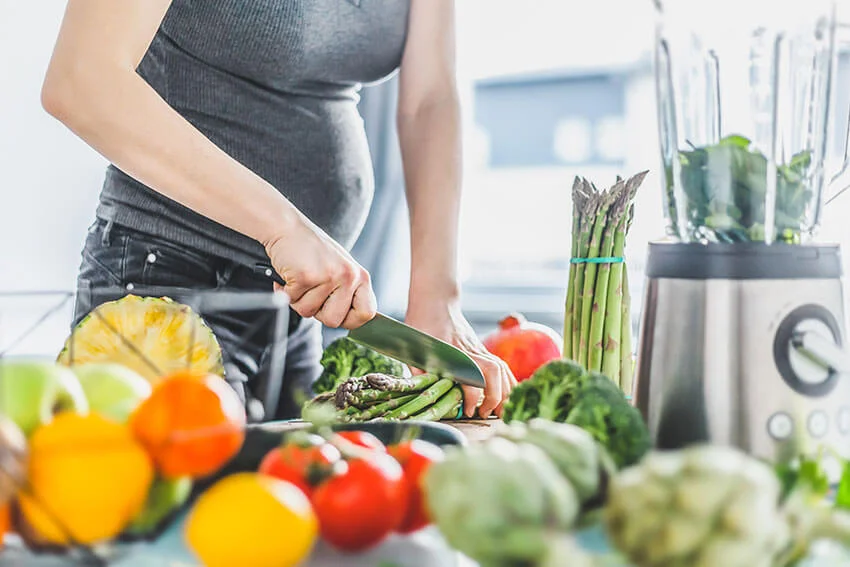
When we talk about healthy eating for pregnant women, I know that the first trimester can feel like a roller coaster. I am a nutritionist at Oh Mama and I accompany many expectant mothers through this intense stage.
So, if you just found out that you are pregnant or have been dealing with nausea, fatigue, and doubts for a few weeks, here is a guide to help you navigate this first phase of motherhood.
Table of Contents
- Why is nutrition in the first trimester crucial during pregnancy?
- The 5 essential nutrients you cannot omit
- Recommended foods to combat nausea
- What to eat if you have a loss of appetite
- Common mistakes in the nutrition of pregnant women during the first trimester
- Tips for maintaining a healthy eating plan for pregnant women
Why is nutrition in the first trimester crucial during pregnancy?
The first trimester of pregnancy is a stage of enormous physiological changes. During these initial weeks, organogenesis occurs, meaning the formation of the baby's main organs and systems.
At the same time, the woman's body experiences significant metabolic and hormonal adaptations, which can translate into fatigue, nausea, changes in appetite, and a sense of physical weariness.
Adequate nutrition becomes essential to support these increased demands. Providing the body with the necessary nutrients from the start helps maintain the pace of these changes, favors proper embryonic development, and lays the foundation for a healthy pregnancy.
Taking care of nutrition from the early weeks of pregnancy helps prevent nutritional deficiencies, improves maternal well-being, and ensures that the entire gestational process develops properly from the beginning.
The 5 essential nutrients you cannot omit
In consultations, I always review these nutrients because they make a significant difference in how you feel and how the pregnancy progresses:
Folic Acid
Helps to prevent neural tube defects. You can find it in leafy green vegetables, legumes, and citrus fruits; however, supplementation is essential.
From a dietary perspective, it is advisable for folic acid to be present regularly in your daily diet. Leafy green vegetables like spinach, Swiss chard, lamb's lettuce, or romaine lettuce, legumes (lentils, chickpeas, beans), and some fruits like avocado or citrus are good natural sources.
It is important to note that "folate" is a heat-sensitive vitamin, so prolonged cooking can reduce its content. Therefore, whenever possible, prioritize raw preparations, steaming, or gentle cooking, and maintain a good variety of these foods throughout the week.
Calcium
Necessary for the baby's bones and teeth. Dairy products and vegetables like broccoli are good options.
During pregnancy, calcium needs increase because the baby uses it to form its skeleton and teeth. If intake is insufficient, the maternal body may draw on bone reserves, making it important to ensure adequate intake.
In addition to dairy, you can also obtain calcium from enriched plant-based drinks, nuts like almonds, sesame seeds, legumes, and small fish with bones, such as sardines.
And remember that, for proper calcium absorption, vitamin D plays a fundamental role, so both nutrients are closely linked.
Iron
Prevents anemia, which is very common during pregnancy due to hemodilution (increased blood volume leads to insufficient iron concentration). Foods high in iron include: beef, blood sausage (cooked in the microwave), liver, clams, and legumes.
To ensure proper absorption, never combine it with a calcium-rich food or caffeine, as they compete for absorption, and iron absorption always suffers; on the other hand, vitamin C enhances it. Therefore, avoid having dairy dessert or coffee after an iron-rich meal and opt for fruits rich in vitamin C like oranges, grapefruits, tangerines, kiwis, or strawberries.
Proteins
Essential for the baby's growth. Ensure there is always a serving in lunches and dinners, in the form of legumes, meat, fish, or eggs.
During pregnancy, proteins participate in the formation of the baby's tissues, organs, and muscle mass, and also help maintain the structure and proper functioning of the maternal body. Therefore, it is important to spread them throughout the day and not concentrate them in just one meal.
Combining animal and plant protein throughout the week allows for better coverage of needs and provides other nutrients of interest. For example, legumes combined with cereals, eggs, fish, and lean meats are easy options to integrate into the daily menu.
In breakfasts, you can add a protein boost by including fresh cheese or cottage cheese, scrambled eggs, or in sweet recipes like oatmeal pancakes.
Vitamin D
In fact, vitamin D is one of the vitamins that has shown strong evidence to prevent serious complications such as preeclampsia, gestational diabetes, premature births, and also ensures proper bone, neurological, and immune development of the baby.
Make sure to check your vitamin D levels in your blood tests. Normal levels are 30-100ng/ml, but during pregnancy, it would be optimal for it to be around 60-80ng/ml.
Today, it is very challenging to obtain sufficient doses of vitamin D solely from dietary intake or sun exposure, so, like folic acid, supplementation in doses between 1000UI to 5000UI per day with vitamin D3 would be necessary, possibly higher in specific situations.
When these nutrients are present in your daily life, your body functions more stably and you feel more energetic to face the trimester.
Recommended foods to combat nausea
Nausea can appear suddenly and become a nuisance. They are very common in the first weeks and, with some simple adjustments in diet and routines, they usually improve significantly:
- Ginger: in infusion, cookies, or small amounts fresh, has proven effective in reducing nausea.
- Easily digestible fresh fruits: such as bananas, apples, or pears, provide energy without being heavy.
- Whole grain toast: especially in the early hours of the day, can help stabilize the stomach when you don't feel like other types of food.
- Natural yogurt: soft and light, is a good option when something easy to digest is needed.
- Lemon water or mint infusion: refreshing and can have a calming effect.
Small meals spread throughout the day usually sit better than a large plate that overwhelms you just by looking at it. Try not to arrive with an empty stomach, as that often worsens nausea.
If there are smells or foods that currently turn you off, you can set them aside. In this phase, listen to what feels good, stay hydrated, and make the first trimester more bearable.
What to eat if you have a loss of appetite
I know that some weeks it is hard to even think about food, but despite this loss of appetite, your body more than ever needs to be well-nourished and ensure a minimum energy intake.
Prioritize foods with high nutrient and energy content, but also easy to digest, such as:
- Toast with avocado and egg.
- Fresh or dried fruits as snacks.
- Yogurt with oats and nut butter.
- Boiled potatoes, rice, or pasta with egg.
Breaking meals into smaller portions is usually a huge help. Your body is already working hard, and giving it small doses of energy can make everything more manageable.
Common mistakes in the nutrition of pregnant women during the first trimester
During the first trimester, it is normal for doubts, changes in appetite, and some insecurity about food to arise. Still, there are some common mistakes that often occur and that are worth keeping in mind to avoid discomfort or unnecessary deficiencies:
- One of the most common is restricting foods out of fear, eliminating things that actually don't need to be removed. Having clear information about which foods to avoid and why helps make decisions more calmly. You can review this guide on prohibited foods during pregnancy.
- Another frequent mistake is prioritizing quantity over quality. Looking for "something quick that fills" can lead to heavy digestions, more nausea, and little real energy.
- It is also common to drink less water than the body needs. Insufficient hydration increases fatigue and can worsen both nausea and constipation.
Finally, it is very useful to listen to your hunger and satiety signals and adapt what you eat to your own tolerance. Every pregnancy is different, and what works for one woman may not work for another. If any doubts accompany you or you don't feel quite well, consulting with a specialized professional always provides clarity and security.
Tips for maintaining a healthy eating plan for pregnant women
During the first trimester, it is common for fatigue, nausea, or lack of appetite to make it more difficult to maintain a consistent routine. There are days when the body takes the lead, and adapting is part of the process. Still, some practical strategies can greatly facilitate daily life:
- Planning a weekly menu helps reduce improvisation and maintain a balanced diet, even on days with less energy.
- Making a planned grocery list, based on that menu, allows you to have on hand the foods you really need and avoids poor choices due to lack of options.
- Cooking larger quantities and freezing portions is a very useful tool for days when fatigue or discomfort limits the desire to cook.
- Having healthy snacks on hand —fresh fruit, natural yogurt, nuts— makes it easier to meet energy needs between meals without resorting to less nutritious options.
- Taking care of the meal environment, eating calmly and in a peaceful setting, can improve digestion and make nausea more bearable.
And I’ll add one more point...
Make complete meals for lunch and dinner, which should include:
- Vegetables: type and quantity free, but always present
- Carbohydrates: opt for whole versions of pasta and rice and cooking methods that do not use much fat for potatoes or sweet potatoes (boiled, baked, air fryer...)
- Protein: meat, fish, eggs, legumes, soy...
- Fat: mainly used for cooking, where the best fat choice would be extra virgin olive oil (EVOO), the optimal dose would be 1-2 tablespoons for cooking. You could also add avocado or nuts.
If at any point you feel you need a little push or more personalized support, I can help you create a nutritious, realistic plan tailored to your lifestyle. You can book your private online session in our nutritional counseling.
This is my first article (and I hope it will be the first of many), so thank you very much for taking this time for me. Healthy eating for pregnant women is a real support in daily life, especially when the body changes so quickly. If you want us to look at your case together or resolve specific doubts, I am here to help you from Oh Mama.