Understanding Respectful Footwear: Benefits and Characteristics
Respectful footwear, also known as barefoot shoes, is designed to mimic the sensation of walking barefoot, allowing the foot to function naturally and healthily.
Respectful footwear, often referred to as barefoot shoes, is designed to closely replicate the experience of walking barefoot. This type of footwear allows the foot to function naturally, promoting health and freedom of movement.
Unlike traditional shoes, respectful footwear does not alter the way we walk or restrict foot movement; instead, it complements it.
In Quiero Colo, we prioritize selecting respectful footwear for both children and adults, ensuring that our models meet true barefoot criteria.
🦶 What Does “Respectful Footwear” Really Mean?
Respectful footwear is characterized by:
- Respecting the natural shape of the foot
- Not interfering with the walking pattern
- Allowing the body to move as it was designed to
In simple terms: it protects the foot without altering its function
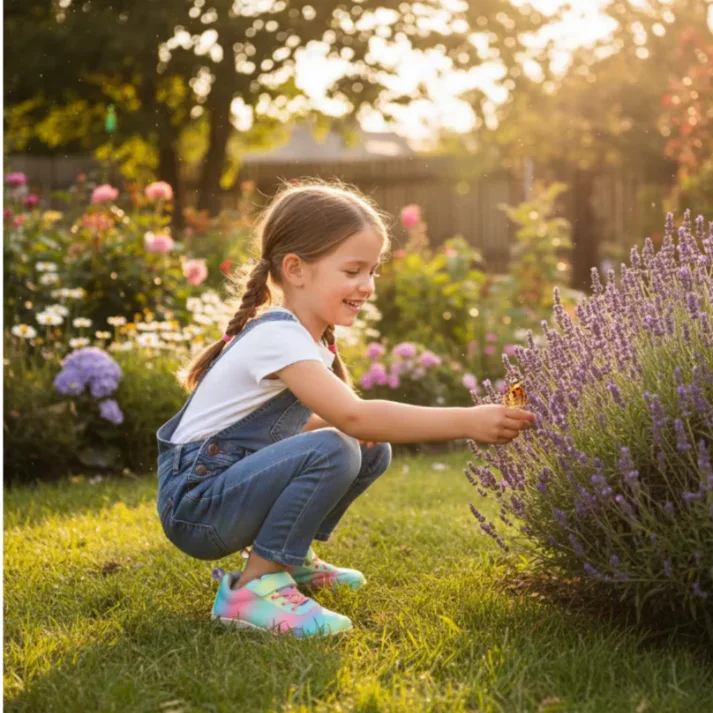
🌿 Benefits of Respectful Footwear
This type of footwear enables the foot to operate as intended, fostering a more natural and efficient walking style.
Key benefits include:
- Promotes a natural, conscious, and healthy gait
- Supports the proper development of growing feet
- Does not interfere with the foot's movement or walking pattern
- Enhances stability and balance
- Increases proprioception, the ability to sense body position and movement without visual cues, due to better ground connection
- Allows for more feedback from the ground while walking
- Reduces energy expenditure by encouraging more efficient movement
- Provides a sense of real comfort and security
In essence, it mimics the experience of walking barefoot while offering necessary protection.
👣 Characteristics of Respectful Footwear
For footwear to be considered truly respectful, it must adhere to these fundamental principles:
✔️ Thin, Firm, and Flexible Sole
This allows for terrain sensitivity and adaptability with each step without rigidity.
✔️ No Cushioning
The foot has its own natural cushioning system.
✔️ Zero Drop (Completely Flat)
There is no heel elevation, which maintains a natural body posture.
✔️ Thin and Flat Insole
Free from anatomical elements that alter the walking pattern.
✔️ Wide Toe Box
Fingers can spread freely without compression.
✔️ No Rigid Heel Counter
The heel remains unconfined, allowing for natural movement.
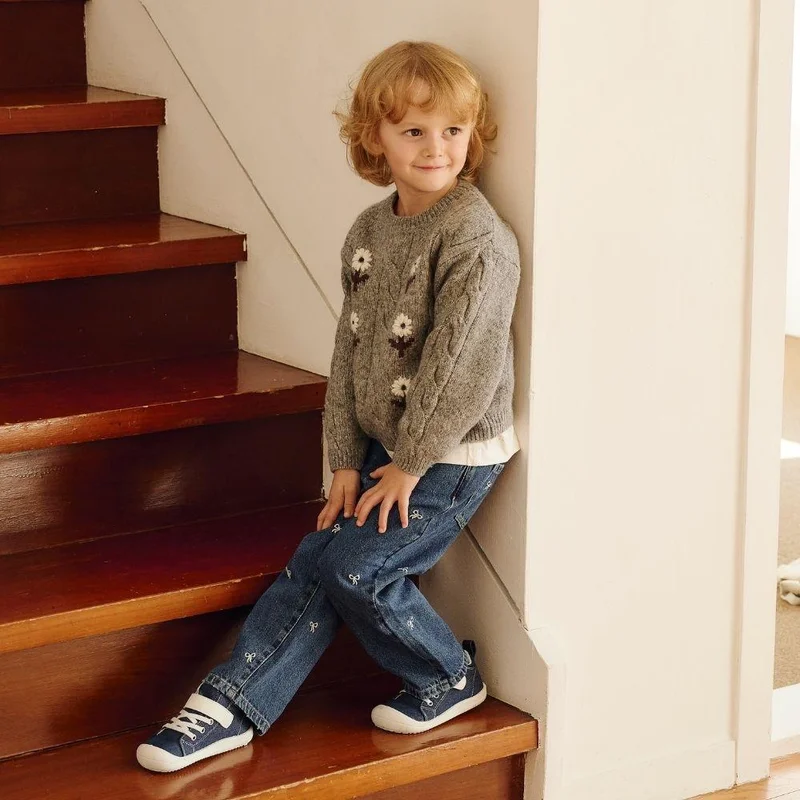
👶 Importance of Respectful Footwear for Children
Using respectful footwear is particularly crucial for children because:
- Their feet are still developing.
- They require freedom to strengthen properly.
- Any restrictions can hinder their growth.
A respectful shoe does not correct or direct the foot; it simply accompanies it.
This approach helps children build a solid foundation for their posture, balance, and walking patterns.
The more time they spend barefoot, the better. However, if they need footwear for protection, it should be respectful.
🧘♀️ Why is Respectful Footwear Healthier?
Traditional footwear often:
- Compresses toes
- Limits movement
- Alters posture
- Adds artificial cushioning
In contrast, respectful footwear:
👉 Restores the foot's natural function
Many individuals report:
- Greater real comfort (not artificial)
- Improved stability
- Enhanced body awareness
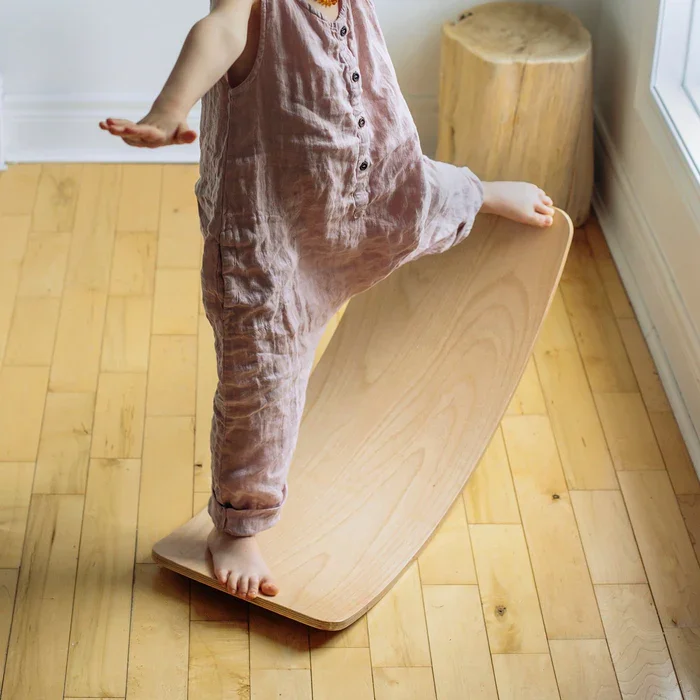
⚠️ Issues with Conventional Footwear: What You Might Not Know
People often believe the problem lies with their feet, thinking they are wide, sensitive, or “difficult.”
However, these issues are common among many.
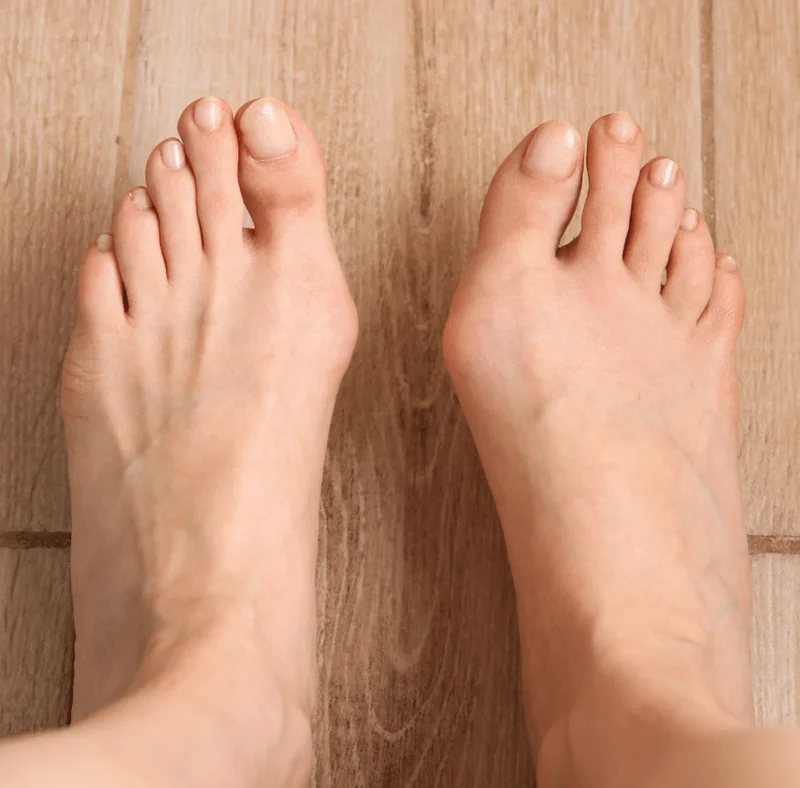
👉 Pain in the metatarsal area while walking 👉 Pressure in the front part of the foot 👉 Bunions or a tendency for the big toe to deviate 👉 Claw toes due to lack of space 👉 Frequent blisters, especially in summer 👉 Discomfort that forces them to stop or cease walking
For a long time, these problems have been normalized, as if it were typical for shoes to cause discomfort.
But it shouldn’t be that way.
👉 The foot is not poorly designed. The footwear often fails to respect its shape and function.
Many people discover respectful footwear through their children. They begin researching to make better choices for their kids and realize that this type of footwear also makes sense for them.
Seeing how a child's foot should develop often leads to questioning the footwear choices made over the years.
This realization can spark change.
👉 For instance, I started looking for the best options for my daughter and ended up understanding that I also needed footwear that respected my feet.
👣 The Foot is Not the Problem
For too long, we have been led to believe that:
- “I have a weird foot”
- “All shoes hurt me”
- “I have to adapt to my footwear”
In reality, it should be the other way around:
👉 Footwear should adapt to your foot, not the other way around.
🚫 What Conventional Footwear Does
Most traditional shoes:
- Narrow the toe area
- Restrict the foot's natural movement
- Add cushioning that disconnects from the ground
- Include heel elevation
- Incorporate rigid reinforcements that immobilize
👉 All these factors alter the way we walk.
👠 The Issue with Elevated Heels (Drop)
Many shoes elevate the heel, often without our clear awareness.
👉 Any heel elevation modifies posture and weight distribution in the body, although the impact varies with height.
- At heights of 4–5 cm, body adaptations become much more noticeable.
- With lower elevations (2–4 cm), the changes are subtler.
🧠 What Happens in the Body?
When the heel is elevated:
- Weight shifts toward the forefoot.
- Pressure in the metatarsal area increases.
- The pelvis tends to tilt forward.
- The lumbar region may increase its curvature.
- The body makes constant adjustments to maintain balance.
👉 This means we stop moving from a natural posture.
📉 Consequences of Frequent Use
Regular use of such footwear can contribute to:
In the feet:
- Bunions (hallux valgus: progressive deviation of the big toe with joint alteration)
- Claw or hammer toes
- Metatarsalgia (overload in the forefoot)
- Calluses and hard skin due to excess pressure
- Morton’s neuroma (nerve-related pain)
In muscles and tendons:
- Shortening of the Achilles tendon
- Overload in the calves
- Difficulty transitioning to flat footwear after prolonged use
In the rest of the body:
- Increased lumbar curvature (lower back pain)
- Greater pressure on the knees
- Altered body alignment
In terms of stability:
- Reduced stability due to decreased support surface
- Increased risk of ankle sprains
⚖️ Important: It’s Not All or Nothing
This isn’t about demonizing a specific type of footwear.
👉 The impact depends on:
- Heel height
- Frequency of use
- Duration of exposure
The body adapts to what we wear daily.
🌿 In Contrast: A More Natural Posture
Respectful footwear (with no heel elevation):
- Maintains a more neutral alignment
- Allows for a more balanced weight distribution
- Encourages the natural functioning of the foot and musculature
👉 It does not correct or force; it supports the body's natural movement.
🌿 What About Flat Footwear?
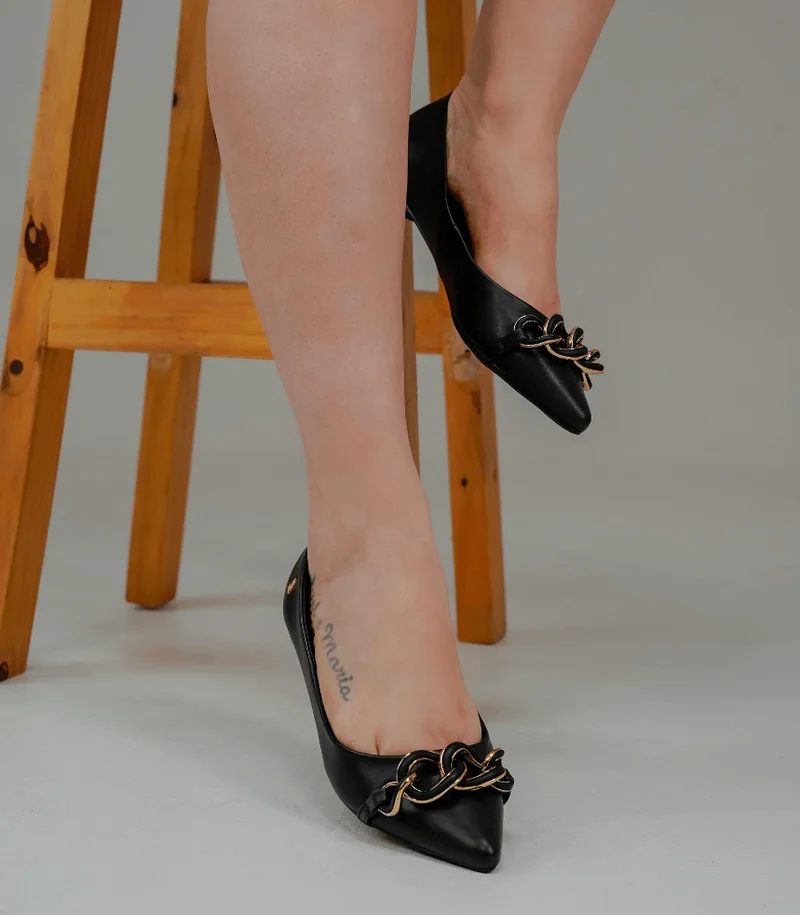
Not all flat footwear is respectful.
Many conventional flat shoes:
- Are rigid
- Have thick and/or inflexible soles
- Do not allow for real foot movement
- Fail to respect the natural shape
- Squeeze and deform the toes
👉 Therefore, they can be uncomfortable or cause fatigue.
✔️ The Key Difference: Flat Does Not Equal Barefoot
Respectful footwear is not merely flat.
It must be:
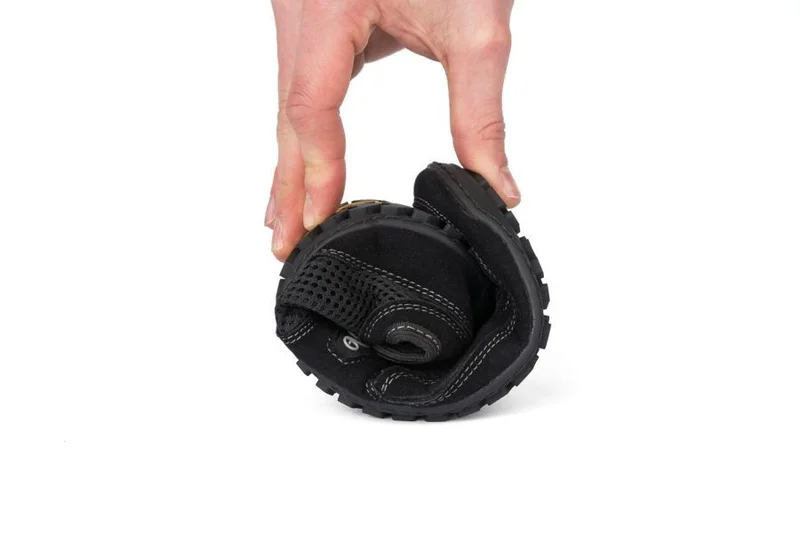
- Flexible
- With a thin sole
- Free from interference
- With space for the toes
👉 This is what allows the foot to function as it is meant to.
🔎 Who is Respectful Footwear For?
Respectful footwear is suitable for:
- Babies and growing children
- Adults seeking a more natural gait
- Individuals experiencing discomfort from conventional footwear
- Families committed to respectful parenting
✅ Quick Checklist: How to Identify Respectful Footwear
Before purchasing, check for:
✔️ Thin and flexible sole ✔️ No drop (completely flat) ✔️ Wide toe box ✔️ No heel counter ✔️ Flat insole
👉 If it meets all these criteria, it’s genuine respectful footwear.
❓ Frequently Asked Questions About Respectful Footwear
Does respectful footwear have cushioning? No. The sole is thin and flexible to allow the foot to cushion naturally.
Are all comfortable shoes respectful? No. A shoe can be comfortable but still have heel elevation, a narrow toe box, or rigidity.
Is it good for children? Yes, especially during growth stages, as it allows for the natural development of the foot.
What’s the difference from conventional footwear? Respectful footwear does not alter the walking pattern or foot structure.
🔎 Conclusion: The Closest Experience to Walking Barefoot
Respectful footwear is simply:
👉 The most natural way to protect the foot without restricting it
It allows for walking in a:
- Natural
- Conscious
- Healthy
Manner that respects the foot's shape and promotes its development from childhood through adulthood.
🧠 Quick Summary
Respectful or barefoot footwear features a thin, flexible, and flat sole (zero drop), wide toe box, no cushioning, and no rigid reinforcements, designed to facilitate a natural gait and the proper development of the foot.