
Understanding Olive Oil for Family Cooking: Types, Quality, and Usage
Explore the essential guide to olive oil for family cooking, covering types, quality indicators, and best practices for use and storage.

Olive oil is a staple in many households, yet the differences among its varieties are often underestimated. Extra virgin olive oil represents the highest quality classification, with a maximum free acidity of 0.8%. Spanish varieties such as Arbequina, Hojiblanca, Picual, and Cornicabra range in flavor from mild to intense. This guide aims to clarify which olive variety pairs best with different dishes, how to identify quality, and what to consider when cooking for children.
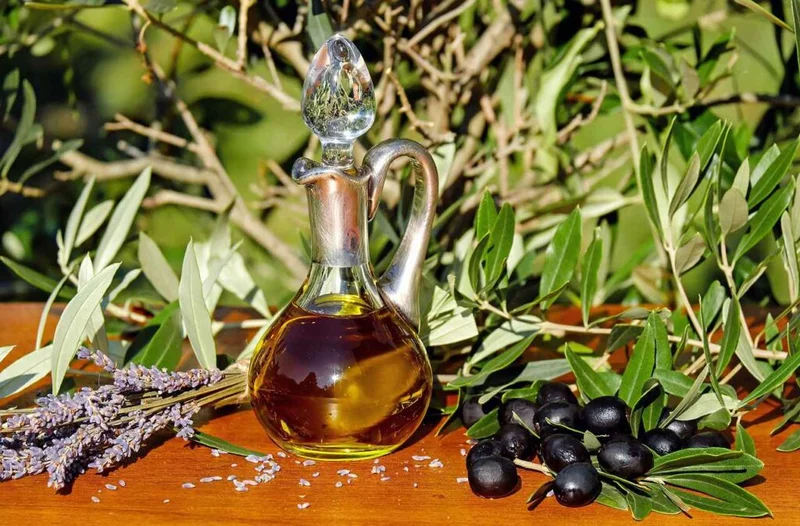
Image by Ilona Frey from Pixabay
Choosing the Right Olive Oil for Family Cooking
For everyday meals with children, a mild to medium-intensity extra virgin olive oil is usually the best choice. This type of oil has a balanced flavor that does not overpower dishes and can be used in various ways—from salad dressings to dips and gentle sautéing. Rather than focusing solely on price, it’s more important to select the appropriate variety and ensure it meets quality standards. Understanding the flavor profiles of different olives—such as the mild Arbequina, the balanced Hojiblanca, the robust Picual, or the spicy Cornicabra—allows for more informed purchasing decisions, helping families find an oil that everyone will enjoy.
It’s essential to distinguish between the quality classification (which indicates the level of craftsmanship and purity) and flavor intensity (mild, medium, or intense). Both aspects combined assist in selecting the right oil for specific culinary needs.
Popular Spanish Olive Varieties and Their Flavors
Spain is one of the largest producers of olive oil globally, showcasing a remarkable diversity of varieties. Each type of olive carries its unique aroma, ranging from soft and buttery to bold and peppery. Familiarity with these key varieties enables consumers to choose their oil based on taste and intended use.
Specialty retailers like Spanish-oil.com, which has been in direct contact with Spanish producers since 2012, offer a wide range of varieties and high-quality extra virgin olive oils in different flavors. Below are four of the most well-known Spanish varieties.
Arbequina
Arbequina is recognized for its mild and approachable flavor. Its oil is delicate, lightly fruity, and reminiscent of fresh almonds or ripe fruits, often featuring a subtle buttery note. With low bitterness and pungency, Arbequina is a favorite among families and serves as an excellent introduction for those who have previously avoided stronger oils.
Hojiblanca
Hojiblanca offers a balanced flavor profile. Its oil presents a pleasant mix of fruitiness, a slight bitterness, and a gentle peppery finish. Often, grassy or almond-like aromas are noticeable. This versatility makes Hojiblanca a great all-rounder for everyday cooking.
Picual
Picual is one of the most widely cultivated olive varieties in Spain, known for its intense and characterful oil. It features strong, spicy flavors, noticeable bitterness, and a distinct peppery kick. Picual is also highly stable, making it suitable for dishes where the oil's flavor can shine through.
Cornicabra
Cornicabra falls between medium and intense. The oil is aromatic and full-bodied, with fruity notes and moderate bitterness and spiciness. It presents more character than the mild Arbequina while being less aggressive than the robust Picual, making it a good compromise for those who enjoy flavor without overwhelming heat.
| Olive Variety | Flavor | Ideal For | Family Tip | |---------------|------------------|---------------------------|------------------------------------------| | Arbequina | Mild and fruity | Salads, children's dishes | Best introduction for the whole family | | Hojiblanca | Balanced | Versatile use | Great all-rounder for family meals | | Picual | Intense | Frying, hearty dishes | Ideal when the aroma needs to stand out | | Cornicabra | Spicy | Stewing, bread | Pairs well with hearty family recipes |
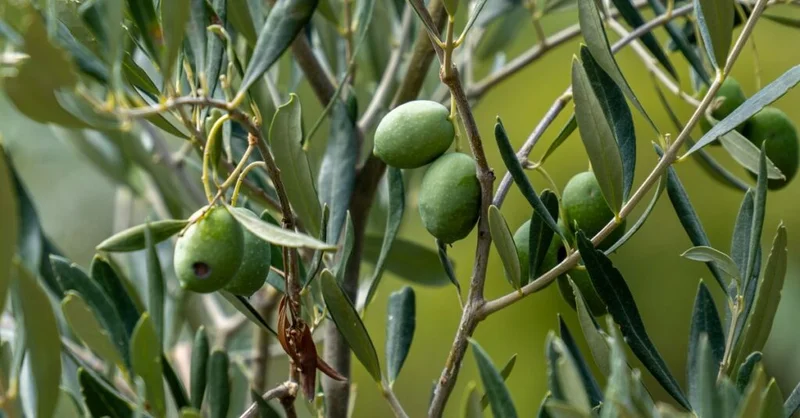
Image by Emilio Sánchez Hernández on Pexels
Understanding Extra Virgin Olive Oil
Extra virgin olive oil is the highest classification an olive oil can achieve. To qualify, it must have a free acidity level of no more than 0.8% and be free from sensory defects. The acidity level serves as a measure of quality and freshness, but it does not indicate whether an oil is mild or strong in flavor. Thus, a low acidity level is not a taste indicator but rather evidence of careful processing.
The term "cold-pressed" or "cold-extracted" refers to oil obtained at temperatures below 27 degrees Celsius. This gentle extraction process helps preserve flavors and valuable nutrients. However, not all olive oils are cold-pressed; this label applies only if the extraction indeed occurred below this temperature threshold. Moreover, it describes the method but does not replace the quality classification—both pieces of information are necessary for a complete understanding.
Identifying High-Quality Olive Oil
Several indicators can help identify high-quality olive oil. First, look for the classification "extra virgin olive oil," which represents the highest standard. Additionally, pay attention to the origin, ideally specifying the region or producer, along with the olive variety—reputable suppliers provide this transparency.
Another important factor is the harvest year or date, as olive oil is a natural product that tastes best when fresh. Packaging also matters; dark glass bottles or opaque containers protect the oil from light. In terms of flavor, fruity, green, or almond-like notes, along with a certain bitterness and spiciness in robust varieties, are good signs of freshness and healthy olives. Conversely, rancid, musty, or off-flavors indicate a quality issue.
Can You Fry with Olive Oil?
Yes, you can fry with extra virgin olive oil; it is more heat-stable than many people believe. The key is not to exceed the smoke point. For gentle frying and sautéing at medium heat, as is common in family cooking, olive oil is quite suitable. However, it is less ideal for very high-temperature frying.
A practical tip: robust, aromatic oils shine in cold dishes where their full flavor can be appreciated, while mild to medium oils are better suited for warming and frying. This way, valuable aromas are not lost unnecessarily, and each variety can be optimally utilized.
Proper Olive Oil Storage
- Store in the Dark: Light accelerates the aging of olive oil. Keep the bottle in a cupboard or lightproof packaging.
- Cool, but Not Cold: A consistent room temperature is ideal. Avoid placing it next to the stove or in direct sunlight.
- Seal Well: After each use, ensure the bottle is closed tightly to minimize oxygen exposure.
- Consider the Harvest Year: Try to use the oil within a reasonable time after harvest to enjoy its best flavor and freshness.
Olive Oil for Children – What to Consider
For children, mild varieties such as Arbequina are particularly suitable due to their low bitterness and spiciness, allowing the natural flavors of dishes to shine through. A mild extra virgin olive oil can be used in various ways—such as in salad dressings, over steamed vegetables, or in dips that the whole family enjoys.
When cooking for children, it is advisable to choose the highest quality classification along with transparent sourcing to ensure the oil has been processed carefully. For those looking to gently introduce stronger flavors, mixing mild and medium oils or alternating their use can help children gradually acclimate to more intense tastes without being overwhelmed by bitterness or spiciness.
Frequently Asked Questions (FAQ)
Which Olive Oil is Best for Children?
Mild varieties like Arbequina are well-suited for children because they are low in bitterness and heat. The classification of extra virgin olive oil is also important.
Can I Fry with Extra Virgin Olive Oil?
Yes, it is suitable for gentle frying and sautéing at medium heat, as long as the smoke point is not exceeded. It is less ideal for very high temperatures.
How Long Does Olive Oil Last?
Olive oil tastes best when fresh. Pay attention to the harvest year and try to use the oil within a reasonable timeframe. Dark, cool, and sealed storage extends its quality.
What Does "Cold-Pressed" Mean?
This term refers to oil extracted at temperatures below 27 degrees Celsius. This gentle extraction preserves flavors and nutrients, but not every olive oil is cold-pressed; the label only applies if the extraction occurred below this threshold.
How Can I Identify Good Olive Oil?
Key indicators include the classification "extra virgin olive oil," the harvest year, dark packaging for light protection, and clear sourcing information regarding region, producer, and olive variety.
Why is the Olive Variety Important?
The olive variety significantly influences the flavor profile—from mild and fruity to intense and spicy. Knowing the varieties allows for targeted selection based on culinary use and taste preferences.
Where Can I Find High-Quality Spanish Olive Oil in Various Varieties?
Specialty retailers offer a broad selection. For instance, Spanish-oil.com provides a range of Spanish olive oils in many varieties and maintains direct contact with producers.
Conclusion
Olive oil serves as more than just a basic ingredient in family kitchens: the olive variety determines the flavor, while the quality classification indicates its standard. Mild varieties like Arbequina are excellent for children and everyday meals, while more robust oils like Picual can add distinctive flavors when needed.
Extra virgin olive oil, with a maximum free acidity of 0.8%, represents the highest quality classification—where the acidity level indicates quality, not taste. By focusing on variety, quality classification, origin, and proper storage, families can find the ideal oil for any occasion and enhance their culinary creations.