
Seasonal Eating: Adapting Your Child's Diet Throughout the Year
Learn how to adapt your child's diet according to seasonal foods to enhance their nutrition and eating experience throughout the year.

Introduction
As parents embark on the journey of complementary feeding, establishing a routine that works for both the child and the family is often seen as an ideal goal. When a child enjoys their meals, accepts their food, and mealtime flows smoothly, it feels like a significant achievement. However, many parents tend to stick to a consistent nutritional structure, fearing that changes might disrupt the delicate balance of this phase.
Yet, the seasonality of foods offered at mealtimes is crucial. Instead of complicating the weaning process, seasonal eating can enhance each meal's alignment with the child’s nutritional needs and the natural cycles of the environment.
Making small adjustments to a child's diet in line with seasonal availability means adapting the basic meal structure without overhauling it. This gradual learning process engages the child’s body, senses, and the family’s habits.

The Importance of Seasonality in Weaning
Starting at around 6 months, national and international guidelines highlight the necessity of introducing complementary feeding to meet growing nutritional needs and support motor and cognitive development. In this context, the quality and nutritional profile of the foods presented become central, alongside their preparation methods.
Seasonality plays a vital role here—not as a rigid rule, but as a practical and natural criterion to guide daily choices and build a diet that aligns with both the child’s rhythms and the environment. Here are a few reasons why:
- Seasonal foods align better with nutritional needs. Fruits and vegetables harvested at their peak maturity offer higher nutritional density and are less likely to deteriorate from long transport or storage. For a weaning child, where every spoonful significantly contributes to their nutrient intake, the quality of food is paramount.
- Flavors are more recognizable, aiding in diverse taste development. A child’s palate is highly receptive; offering seasonal foods introduces distinct flavors that foster a varied and authentic taste memory. This early exposure can lead to a greater acceptance of new foods later on.
- Mealtime becomes an implicit educational experience. Following seasonality requires no complex explanations; it’s a lesson conveyed through daily life. Children observe the arrival and disappearance of certain foods, learning how food changes with the seasons, fostering a more flexible and mindful relationship with what they eat.
Practical Tips for Incorporating Seasonality
It is essential to recognize that seasonality is a guideline, not a constraint. Integrating it into weaning doesn’t have to complicate meal organization; in fact, it can simplify it by focusing on readily available ingredients and adapting them to the child’s skills.
A solid weaning plan starting at 6 months can remain effective year-round; only the selection of ingredients and their combinations will change. To create a practical and manageable feeding routine, it’s important to prioritize textures over specific recipes at the beginning of weaning. Smooth purees and soft creams allow for the safe and digestible use of seasonal vegetables.
As children develop oral and motor skills, seasonality can also provide opportunities to vary textures and presentation, always respecting their pace.
Spring: Reviving Taste After Winter
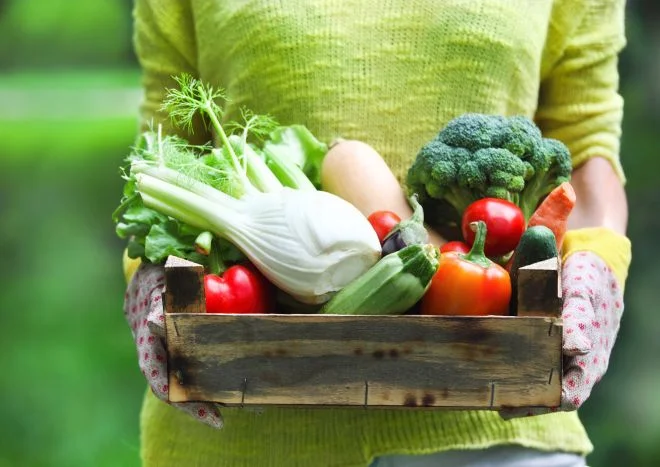
In spring, the body naturally craves lighter preparations after the winter months. Thus, children should benefit from foods that support this transition, introducing fresh and delicate flavors. Spring vegetables are excellent for creating soft, easily digestible purees paired with well-cooked grains or potatoes to maintain a good energy balance without heaviness.
This season is also ideal for gradually expanding variety, introducing new vegetables while observing the child's reactions. Recommended options include:
- zucchini
- young carrots
- asparagus
- green beans
- young spinach
- tender chard
- well-cooked romaine lettuce
- young chicory
- white turnip
- late fennel
- leeks (only the white part, well-cooked)
- snow peas
For fruits, early spring allows for offering late-winter fruits for starting weaning, such as:
- late apples
- pears
- kiwi (in small amounts, seedless, pureed)
As the season progresses, children can enjoy more delightful fruits like:
- ripe strawberries
- loquats
- peaches and apricots
- cherries
Summer: Adapting Diet to the Heat
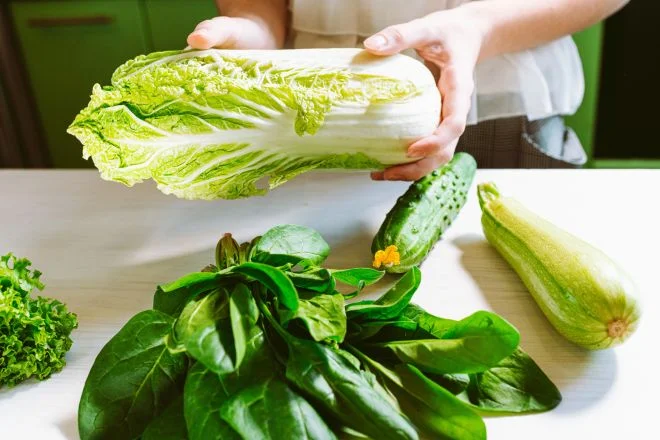
With rising temperatures, the need for hydrating and easily digestible foods increases. Meals can become more fluid without sacrificing nutritional value. Seasonal vegetables like zucchini, green beans, carrots, cucumbers, and well-cooked lettuce are great for early weaning, while older children can enjoy eggplant and bell peppers, well-peeled and cooked.
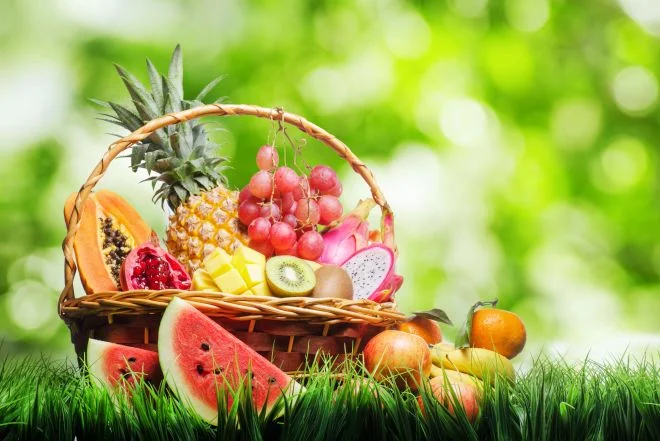
Fruits, whether cooked or blended in the early months, also contribute to overall hydration. Suitable options include:
- apricots
- peaches
- nectarines
- plums
- melon
- watermelon
- summer pears
- summer apples
Maintaining a regular meal structure during summer is crucial; it's essential not to overly reduce portions just to accommodate the heat.
Autumn: Supporting Growth with Heartier Dishes
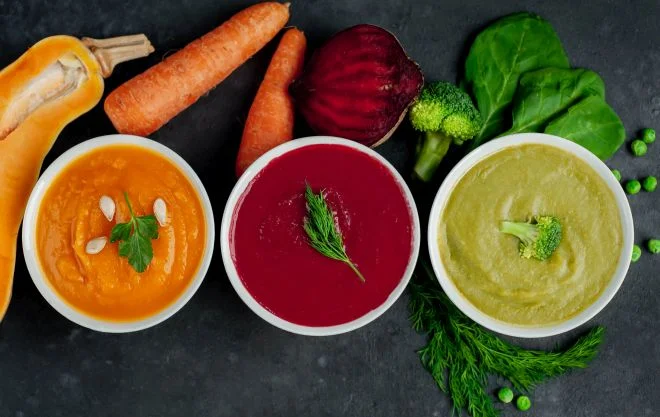
Autumn brings a return to denser textures and richer dishes, meeting the body’s increased energy needs. This season is perfect for transitioning children to heartier meals, incorporating potatoes and legumes.
Autumn vegetables include:
- pumpkin
- carrots
- fennel
- cauliflower
- broccoli
- romanesco broccoli
- leeks
- celeriac
- well-cooked savoy cabbage
- turnip greens (only the leaves, well-cooked)
- turnips
- sunchokes
Fruits typical of the colder season are also reintroduced:
- apples
- pears
- cooked and pureed grapes
- plums
- ripe figs
- ripe persimmons (in small quantities)
- chestnuts
The next phase will guide us toward winter foods, focusing on nourishing and protecting the body while providing a steady supply of energy and micronutrients.
Winter: Warm and Complete Meals
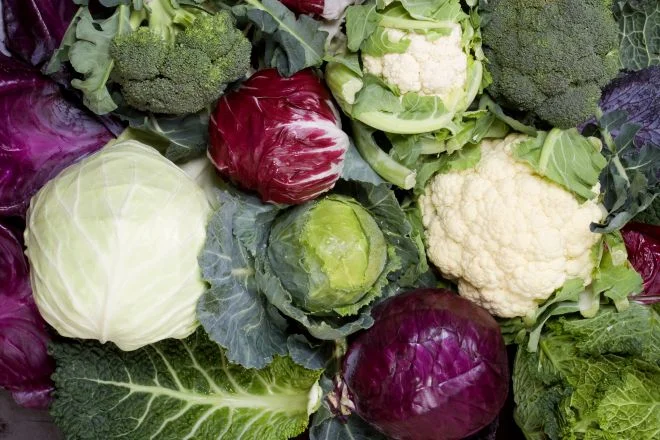
Well-cooked winter vegetables, dehulled legumes, and grains, even in flour form, allow for the creation of complete and comforting dishes. Cooked fruits remain a good option, possibly enhanced with seasonal touches.
The goal is not to “bulk up” the diet quantitatively but to ensure it is qualitatively balanced and suitable for the changing weather conditions. Choices include:
- kale
- Brussels sprouts
- various broccoli types
- cauliflower
- savoy cabbage
- well-cooked radicchio
- carrots
- late pumpkin
- turnips
- parsnips
For fruits, options are:
- apples
- pears
- oranges (only fresh juice added at the end of cooking)
- mandarins (filtered juice)
- ripe kiwi
- pomegranate (only juice, in small amounts)
Grains: Understanding Their Seasonality
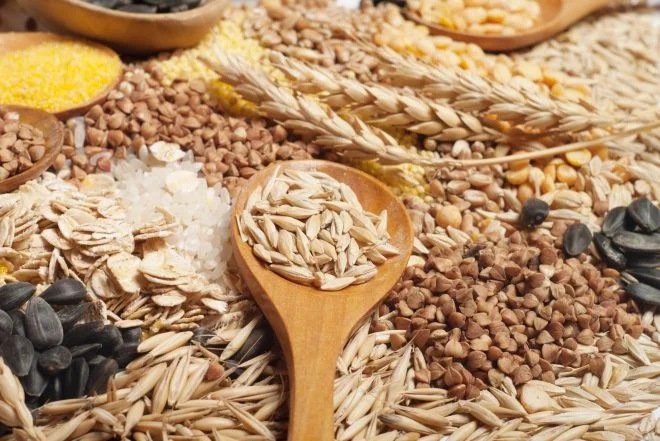
Many may not realize that there is a specific seasonality for grains as well. They can be categorized into:
- Autumn-winter grains, sown between September and November and harvested in summer, such as soft and hard wheat, barley, oats, spelt, and rye;
- Summer grains, sown in late spring when the risk of frost is minimal and harvested between late summer and early autumn, including rice, corn, sorghum, millet, teff, fonio, and spring triticale.
Discussing the seasonality of grains does not mean imposing strict rules; they can be stored and consumed year-round. However, understanding their agricultural, nutritional, and physiological characteristics can help create a more balanced diet.
Autumn-winter grains grow slowly during winter and mature in spring and early summer. They are structurally richer in fiber and more complex to digest, making them more suitable for warm, hearty preparations. This aligns with the colder months when energy needs are slightly higher, and the body tolerates denser dishes and longer cooking times better.
Summer grains, on the other hand, thrive in warmer temperatures with ample water, are simpler in structure, and generally easier to digest. They form the basis of lighter, drier, or cold dishes, making them ideal for warmer seasons when the digestive system is physiologically more active.