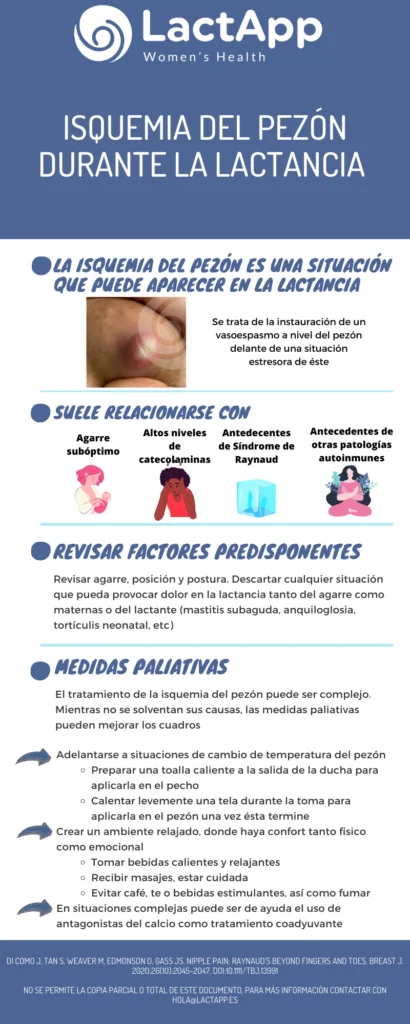
Understanding Nipple Ischemia During Breastfeeding
Nipple ischemia during breastfeeding is a complication that can arise from various challenges associated with nursing, often linked to Raynaud's Syndrome.
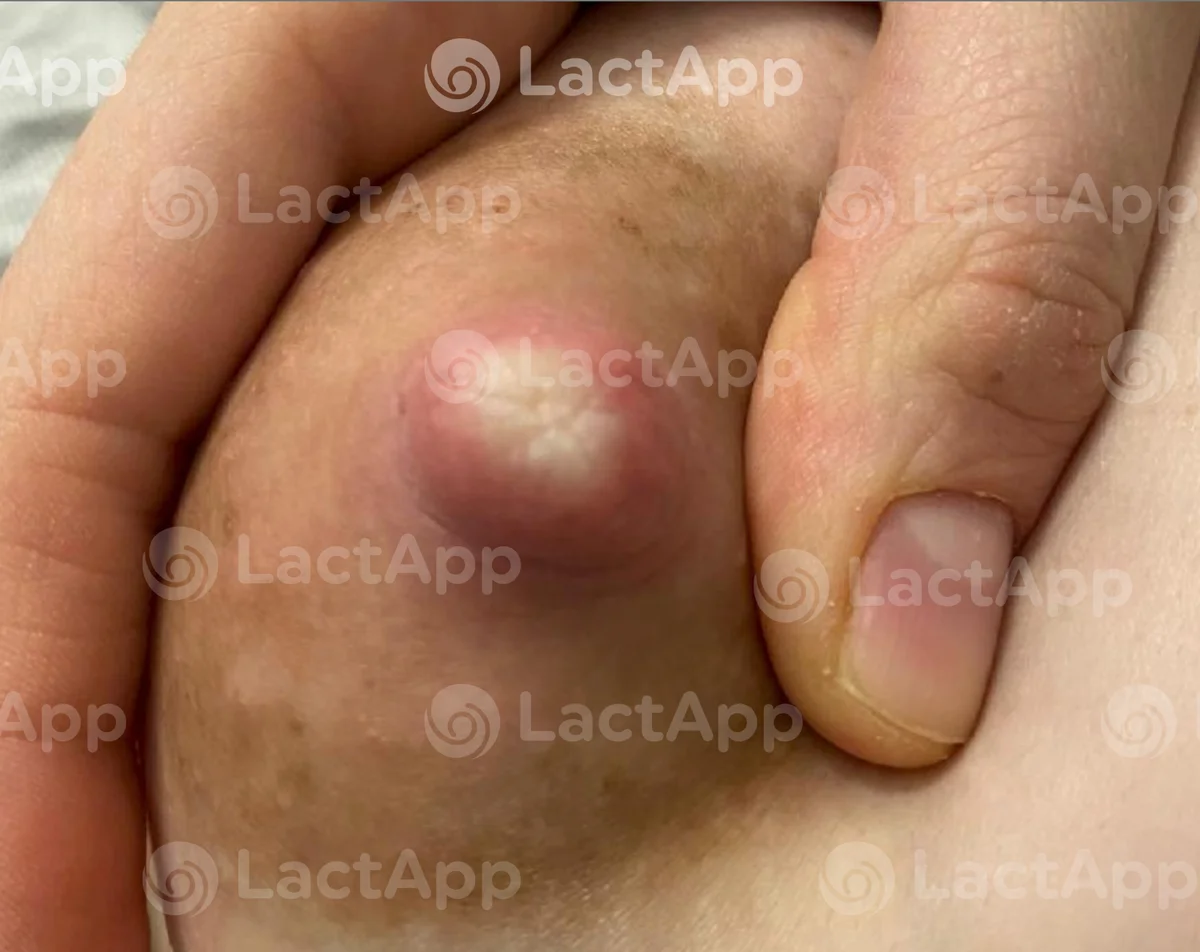
Nipple ischemia during breastfeeding is a complication that can arise from various challenges associated with nursing.
This condition may sometimes be linked to Raynaud's Syndrome or intermittent ischemia, which typically affects the extremities, such as the fingers and toes. It is observed in approximately 20% of women aged 21 to 50. The symptoms include a local pallor due to vasoconstriction, followed by a bluish coloration, and ultimately leading to erythema from vasodilation. Additionally, individuals may experience pain, burning sensations, numbness, or tingling.
Nipple ischemia during lactation is often underestimated. It can occur during breastfeeding or at any other time in individuals who either have Raynaud's Syndrome or have never experienced such symptoms before. The discomfort can be significant enough to lead to the cessation of breastfeeding altogether.
Causes of Nipple Ischemia
The causes of nipple ischemia are not well-studied, and there is a lack of conclusive publications on the topic. However, the primary factors contributing to this syndrome appear to be:
- Compression of the nipple (due to improper breastfeeding technique, ankyloglossia, or tongue hypotonia, among others)
- Increased catecholamines due to pain or stress
Recommended Interventions
When nipple ischemia occurs, the following recommendations are commonly suggested:
- Assess the latch; often, issues with nipple compression are involved.
- Avoid exposure to cold temperatures.
- Apply local heat when symptoms arise.
- Steer clear of vasoconstrictive substances, including caffeine, tobacco, and other drugs.
- In severe cases, literature suggests the potential use of Nifedipine (a calcium channel blocker), with caution regarding possible hypotension in the postpartum context.