
Understanding Tubular Breasts: Implications for Breastfeeding
Tubular breasts are a structural malformation that can impact a woman's milk production for breastfeeding. Learn how to identify this condition and its implications for nursing.
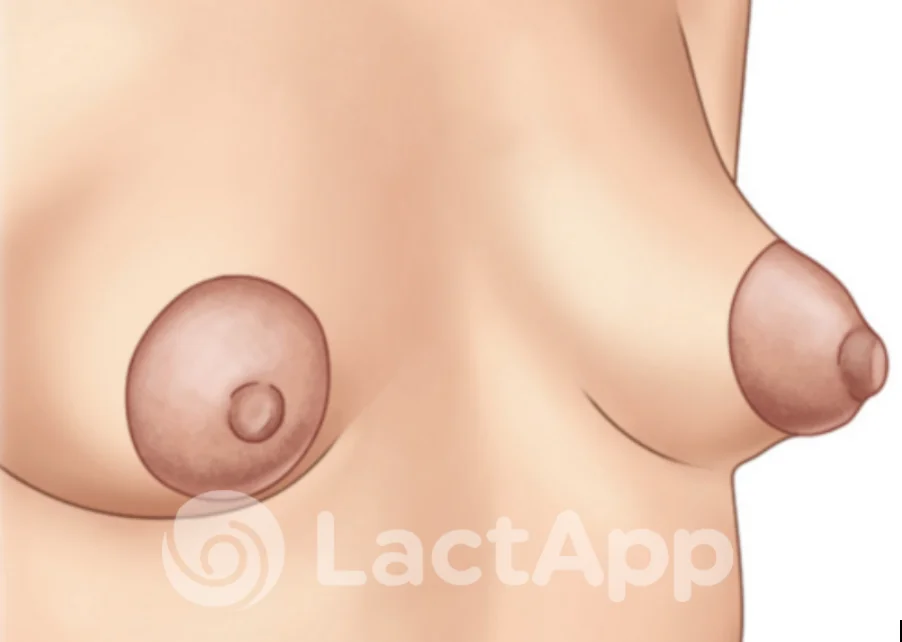
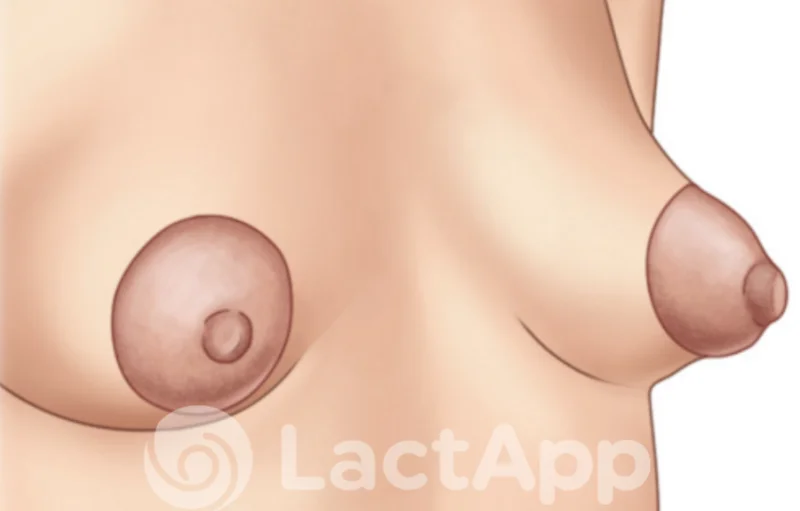
Tubular breasts represent a structural malformation of the mammary gland, leading to an atypical breast shape that can impact a woman's ability to produce breast milk.
Identifying Tubular Breasts
These uniquely shaped breasts can often be recognized by their asymmetry and conical appearance. Typically, the lower part of the breast contains minimal glandular tissue, while the areolas may appear disproportionately large or ringed. Breasts affected by this condition do not exhibit the usual symmetry or hemispherical shape.
The initial signs of this breast alteration may become evident during puberty or during the early stages of lactogenesis, particularly when breast development does not proceed as expected during pregnancy.
While there is no specific diagnostic test for identifying tubular breasts, assessment during the initiation of breastfeeding is crucial to avoid misjudgment regarding the mother's milk production capabilities.
Tubular Breasts and Milk Production
Breasts characterized as tubular are often associated with an insufficient milk supply for exclusive breastfeeding. It is important to note that while milk production does occur, the quantity may not meet the demands for exclusive breastfeeding. Mothers who wish to breastfeed can still do so with the assistance of supplements to support milk supply.
Assessing Previous Surgeries
Various surgical procedures, such as breast augmentation or mastopexy, may alter the appearance of tubular breasts. However, these surgeries do not necessarily enhance the ability to produce milk; they merely change the breast's external characteristics. In fact, such surgeries can sometimes lead to hypogalactia, particularly if they involve areolar approaches that completely remodel the breast. These interventions can sever ducts and nerve endings, which are crucial for maintaining milk production.
When working with a mother facing challenges in sustaining exclusive breastfeeding, it is essential to evaluate the breast structure for any prior surgical interventions. Many women have been led to believe that surgery will not affect their future breastfeeding capabilities.
Ultimately, the approach taken will depend on the mother's preferences. She may choose to attempt exclusive breastfeeding in the initial days while monitoring progress, consider a mixed feeding strategy, or opt for weaning altogether.