
The Journey of Motherhood: A Story of Perseverance and Support
A mother's journey through challenges in breastfeeding showcases the importance of community support in motherhood. A. shares her story of perseverance and the role of lactation consultants in her experience.
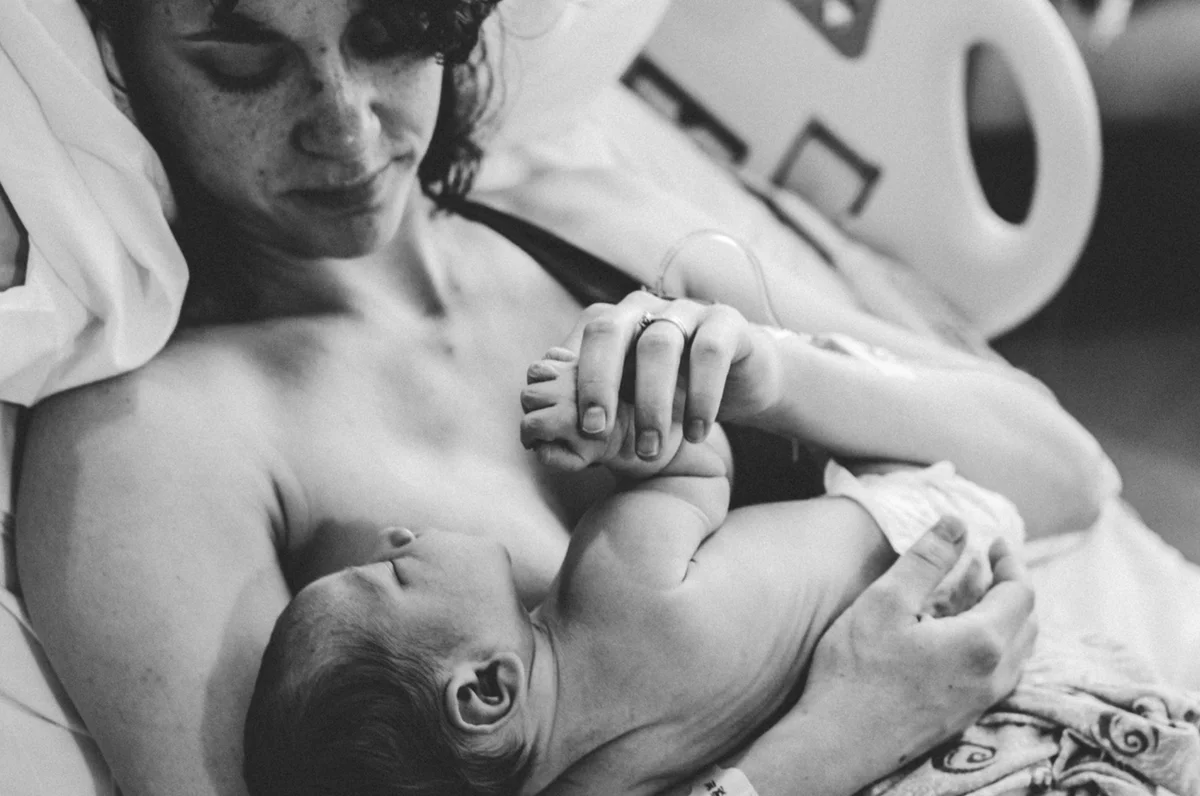
Motherhood can be a challenging yet rewarding journey, and the role of community support often makes a significant difference in navigating this path. We frequently receive heartfelt messages from our readers expressing gratitude for the mothers who share their stories, hoping to assist others in similar situations. This time, we hear from A., who recounts her experience of becoming a mother and the challenges she faced along the way. Thank you, A., for sharing your journey.
A. has always dreamed of becoming a mother, and when she discovered she was pregnant, it was the best news she could have received. Her pregnancy progressed smoothly, with all check-ups showing positive results. During childbirth preparation classes, she learned about breathing techniques and creating an ideal birth plan. However, she felt unprepared for unexpected challenges.
One month before her due date, A. underwent an emergency cesarean section due to peritonitis, putting both her and her baby at risk. The surgery went well, but while her daughter was taken to the neonatal unit, A. was moved to the recovery room, marking the beginning of her struggles. She felt weak after the operation, and it took 38 hours before she could hold her baby. When they finally met, the baby instinctively latched onto her breast, a moment A. describes as unforgettable. Despite her efforts, she struggled to produce enough milk, leading to the need for formula supplementation.
Upon returning home, A. felt lost and overwhelmed. Fortunately, she found support in a lactation consultant who became her guardian angel. Thanks to this professional, A. persevered with breastfeeding, integrating breast pumps, syringes, and feeding tubes into their routine.
The breast pumps, syringes, and feeding tubes became part of the family.
This period was incredibly challenging for A. Each week, she took her baby to weigh-ins, and the anxiety of seeing her baby's weight fluctuate was intense. Some weeks brought positive weight gain, while others did not, leading A. to feel like a bad mother for wanting to continue breastfeeding instead of opting for formula. She faced comments suggesting that using a bottle was just as good and that she should simply enjoy her time with her baby.
Despite missing out on a normal delivery and the immediate skin-to-skin contact, A. was determined not to give up on breastfeeding. She made every effort to engage in skin-to-skin moments and used a breast pump when her baby wouldn’t nurse.
As she began to accept the idea of a mixed feeding approach, A. discovered the powerful extraction technique. Although she learned that this method was difficult and did not guarantee results, it ultimately worked for her. Gradually, she was able to eliminate the supplemental feedings and transitioned to exclusive breastfeeding.
Reflecting on her journey, A. recalls the difficult moments and the tears shed along the way. However, watching her baby nurse brings her joy and makes her struggles fade away. Through perseverance, she achieved exclusive breastfeeding and is now preparing a milk stash for her return to work, even becoming a donor of breast milk herself.