Understanding Nail Biting in Children: Causes and Solutions
Nail biting is a common behavior in children and adolescents, often a temporary habit. It can stem from emotional issues, anxiety, and stress. Understanding its causes is crucial for addressing the behavior effectively.
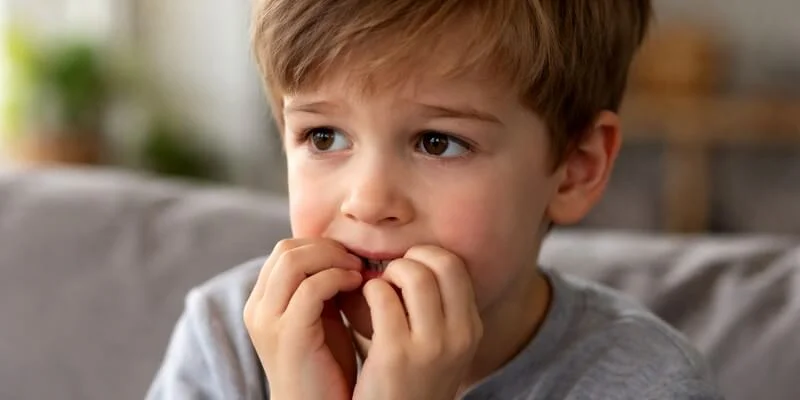
Nail biting is a prevalent behavior among children and adolescents, often regarded as a temporary bad habit. Research indicates that between 28% and 33% of children aged 7 to 10 engage in this behavior, which includes biting nails, pulling at cuticles, and removing small pieces of skin. This habit continues for about 45% of preteens and teenagers aged 12 to 18.
However, onychophagia, the clinical term for nail biting, warrants attention due to its underlying causes, which can include emotional imbalances, excessive anxiety, stress, emotional dysregulation, and difficulties in expressing or managing emotions.
Nail biting is not the problem but a symptom. If left unaddressed for an extended period, it can become chronic and persist into adulthood, making it even more challenging to eliminate.
Onychophagia is characterized as a compulsive behavior marked by an irresistible urge to bite nails down to the skin at the fingertips. This behavior is often accompanied by a tendency to tear at the skin around the nails and cuticles, which can lead to injuries, redness, and sometimes bleeding. The more compulsive the behavior, the higher the risk of damaging nails, skin, and fingers, potentially leading to infections and deformities.
According to the DSM (Diagnostic and Statistical Manual of Mental Disorders), onychophagia is classified as a body-focused repetitive behavior. It resembles a self-harm disorder: the mild pain associated with oral stimulation alleviates anxiety, reduces stress, and helps manage sensory overload. It becomes compulsive when individuals engage in it almost automatically, exhibiting little control over their actions.
You may have noticed children unconsciously bringing their hands to their mouths to bite their nails, which illustrates the automatic nature of onychophagia (considered a disorder) and makes it a "bad behavior" that is difficult to correct.
As previously mentioned, the following factors can contribute to onychophagia:
- Anxiety
- Stress
- Difficulty in containing and managing emotions
- Boredom, especially when the disorder has become chronic
The triggers for nail biting often stem from the emotional and relational environment surrounding the child or adolescent. Feelings of ineffectiveness and low self-esteem can heighten stress and anxiety, which are typical causes of onychophagia.
In similar situations, the impulsive act of nail biting can occur in stressful contexts such as school, before a test or exam, or during a competition or performance that is particularly significant for the child.

The underlying cause of this behavior may be an emotional regulation disorder, such as difficulty managing emotions. Individuals who bite their nails externalize their emotional burden, channeling it, albeit dysfunctionally, onto an external part of their body: their hands. Nail biting leaves tangible and visible marks.
Additionally, this behavior is performed using the mouth, a site of oral stimulation. It is no coincidence that this disorder typically emerges after the age of 3 or 4, when oral sucking supports (breast, pacifier, or bottle) cease.
Assuming that changes can lead to increased stress levels in children, onychophagia may also arise from challenging environmental circumstances such as moving, parental separation, the birth of a sibling, or changing schools.
The more chronic the disorder becomes, the more it may manifest as a reaction to boredom or stagnation, for instance, during periods of inactivity or waiting, as well as during a long movie or a simple moment of "boring rest."
Harsh solutions such as spicy or bitter nail coatings, band-aids, punishments, scolding, or raised voices are not valid or effective deterrents for addressing the issue. However, if episodes of nail biting are frequent, they may lead to symptoms requiring special attention, such as:
- Injuries to nails and cuticles
- Bleeding
- Swelling of fingers
- Redness
- Pus
- Infections
- Deformations
Moreover, prolonged and systematic nail biting can also cause oral health problems, as teeth are exposed to chipping, enamel issues, and consequently, cavities, along with gum injuries.
If a child is biting their nails, here are some strategies to help limit this habit:
- Observe the child's emotional state and the environment they are immersed in
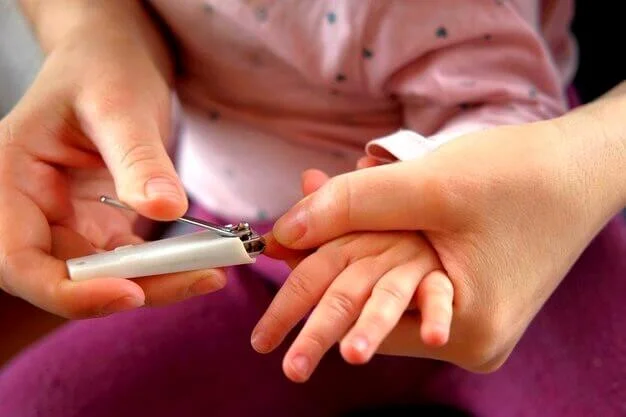
- Care for their hands, keeping nails short and clean, and skin moisturized
- Raise awareness of the issue and explain the health consequences for hands and teeth
- Encourage manipulative activities
- Try to set a good example
Nail Biting is More Than a Bad Habit
Nail biting should not merely be viewed as a bad habit but rather as a behavioral response to discomfort. As previously emphasized, it is a symptom, and this is a critical point to consider when addressing the cessation of this behavior in children and adolescents.
Identifying the underlying causes is essential for remediation. For instance, if parental separation is the cause, it is necessary to work on the child's sense of security, freeing them from potential guilt, which is common among children of recently separated parents.
Onychophagia and Nail Hygiene
Maintaining short, clean nails and well-groomed hands can reduce the issue for children and adolescents who bite their nails. A study by the American Academy of Dermatology Association found that these children and adolescents instinctively examine their hands before bringing them to their mouths.
Noticing that their hands are well-cared-for, particularly the cuticles and skin hydration, can dissuade them from biting. This same study suggests that cognitive-behavioral therapy may be beneficial when the disorder does not resolve through mindfulness-based approaches.
How to Educate Children and Adolescents About Nail Biting
It is crucial to raise awareness among children and adolescents about onychophagia, both regarding the issue and their emotional experiences. Special attention should be given to each child's sensitivity, as nail biting often leaves traces of shame that paradoxically do not correct the behavior.
On the contrary, shame increases the child's anxiety and diminishes their self-esteem, undermining their confidence and fostering the chronicity of the disorder. Social stories can also assist children in better understanding the problem.
Possible Tools to Assist Children Who Bite Their Nails
Depending on the age and abilities of the child, distraction methods can be introduced, such as chewing gum in stressful situations or offering manipulative activities like stress toys or fidget spinners.
Younger children benefit from all sorts of manipulative toys, such as kinetic sand or modeling clay. All children who bite their nails also gain from engaging in relaxing activities like meditation, yoga, or mindfulness practices.
Adults must understand the phenomenon of imitation, meaning that children reflect their behaviors. This applies not only to physical and behavioral attitudes but also to emotional reactions. Therefore, it is essential to set a good example and demonstrate to the child how to respond appropriately to frustration or manage stress. Care should be taken not to overreact, minimize the child's emotions, ignore them, or, especially, belittle them.
What is the Psychological Significance of Nail Biting?
Nail biting is most often linked to managing stress, anxiety, or emotions. This behavior can manifest in situations of tension, boredom, or intense concentration.
For some individuals, it is an automatic gesture that provides temporary relief, without necessarily indicating a psychological disorder. In most cases, nail biting is a benign habit, although it can become problematic if it is frequent or uncontrollable.
Is Nail Biting a Symptom of Autism?
No, nail biting is not a specific symptom of autism. This behavior is quite common in the general population, among both children and adults. However, some autistic individuals may exhibit repetitive or self-soothing behaviors, which can sometimes include onychophagia.
This alone is not sufficient to suggest an autism spectrum disorder. A diagnosis depends on a set of behavioral and developmental criteria assessed by healthcare professionals.