
Playing by the Rules: Learning to Wait for One's Turn and to Lose - MammeBlog
In today's hyper-connected world, the ability to tolerate frustration is a rare skill — and it is taught through play.
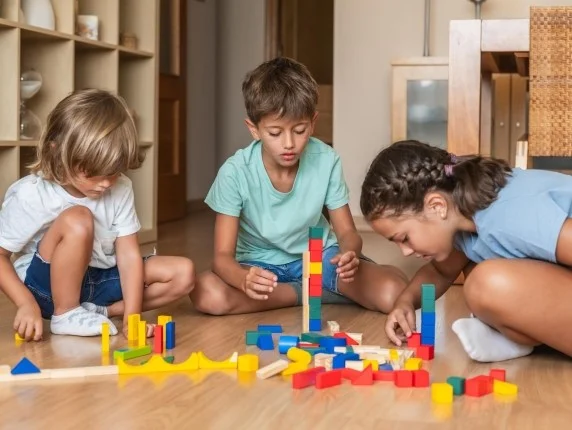
In today's hyper-connected world, the ability to tolerate frustration is a rare skill — and it is taught through play.
How many times have you seen a child (or your child) burst into tears or get angry after losing a card game? Or loudly demand their turn? It’s not a lack of manners: it’s simply a skill still under construction.
Knowing how to lose, wait, and respect the rules of a game are fundamental social skills — and group games are the most effective laboratory for developing them.
Why is it so hard to lose (for children and not just them)
Children's brains are oriented towards immediate pleasure: winning is nice, losing is painful. The prefrontal cortex — which manages emotional regulation and frustration tolerance — is still fully developing until the age of 25. So no, it’s not a tantrum: it’s neurology.
But this is exactly why it’s important to train it, and to do so early.
Games as Emotional Gym
Board games, card games, team sports, outdoor games with rules: every time a child plays with others, they face situations that require:
- Waiting for their turn (impulse control)
- Accepting an adverse outcome (frustration tolerance)
- Respecting the rules even when losing (sense of fairness)
- Managing emotions in public (emotional regulation)
Every game, won or lost, is an educational opportunity.
How to Guide the Child
Play with Them (and Lose Sometimes)
Show how to lose gracefully: “Great game! You won this time — I’ll get you next time.” The adult model is the most powerful educational tool we have.
Don’t Let Them Win All the Time
The temptation to “pretend to lose” is understandable, but it doesn’t help. The child senses it — and learns nothing about true defeat.
Name Emotions After the Game
“I saw you were angry when you lost — that’s normal, it happens to me too. How did you feel?”
Introduce the Concept of “Next Time”
Defeat is not final: there’s always the next game. Help the child develop a temporal perspective — the emotion passes, the game continues.
Choose Games with the Right Amount of Chance
Games where only the skilled win can frustrate younger children. Games with an element of luck (dice, cards) balance the odds and make losing feel less personal.
✅ What You Can Do Starting Today
- Dedicate at least 30 minutes a week to a family board game
- Choose age-appropriate games with clear rules
- Model how to accept defeat gracefully yourself
- Don’t interrupt the game if the child loses: guide them through the emotion
- Celebrate playing well, not just winning.
A child who knows how to lose gracefully is a child who will grow up knowing how to face life’s failures with balance. And it all starts with a card game at the kitchen table.