How to Help Children Manage the Fear of Changing Classes
End of the year, new classmates, new teachers: change can be scary — but it can also become an opportunity for growth.
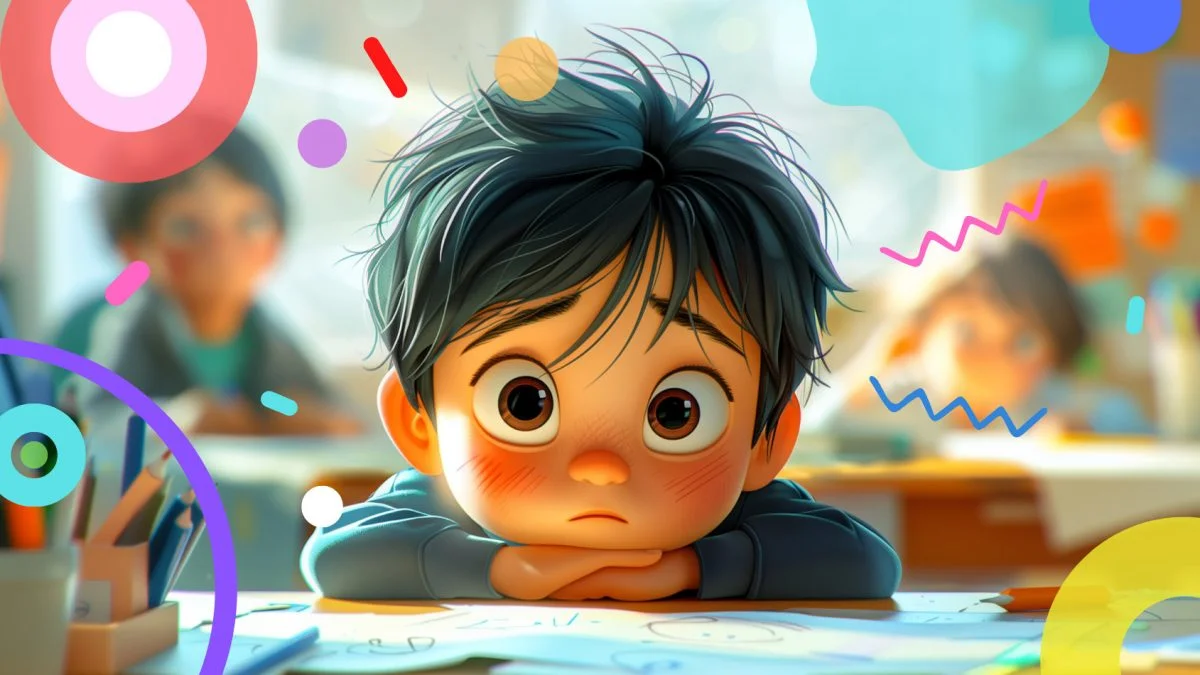
End of the year, new classmates, new teachers: change can be scary — but it can also become an opportunity for growth
It was mentioned almost in passing one evening at the dinner table: "I hope I stay with the same teacher next year." It was May, just weeks before the end of school, and yet, it was already on their mind. Children are like that: they process changes in advance, often silently, often in their own way.
The anxiety of school transition is real and deserves attention. Ignoring it won't make it go away — listening to it, on the other hand, can transform it into a resource.
Why Changes Are Scary
Children's brains are wired to seek safety and predictability. The classroom, classmates, and teachers represent a familiar environment — a "safe base" that risks changing at the end of the year. This uncertainty generates anticipatory anxiety, which can manifest as irritability, sleep disturbances, behavioral regressions, or physical complaints.
Common Types of Transitions at the End of the Year
- Transition from preschool to primary school
- Change of section or class
- Change of school (primary → middle school)
- Change of reference teacher
- Loss of a friend group due to class reorganization
Strategies to Support Your Child
Talk About It in Advance, Calmly
Don’t wait until the last day. In May, start discussing the change naturally, without dramatizing. "Next year you will have a new class — who knows who you will meet!"
Acknowledge the Fear Without Feeding It
"It’s normal to be a little scared of new things — even adults feel that way." Normalizing the emotion without minimizing it helps the child feel understood and less alone.
Help Them Focus on What Remains the Same
Even with a class change, neighborhood friends, the school itself, and some routines remain. Focusing on what doesn’t change reduces the sense of loss.
Create Bridges to the Future
If possible, arrange an informal meeting with the new environment: a visit to the new school, a snack with a future classmate. Familiarity reduces anxiety.
Share Your Experience
"I was also scared of change as a child — and then I discovered that..." Parents' stories are powerful: they show that change can be navigated and that something beautiful awaits on the other side.
✅ What You Can Do Starting Today
- Start talking about the next school year in a natural and positive way
- Ask the child what worries them the most — and listen without judgment
- Arrange a meeting with future classmates if possible
- Read a book together that talks about changes and new beginnings
- Celebrate the end of the year as an achievement, not as a loss
Change is the substance of growth. A child who learns to navigate it with confidence — supported by present parents — builds resilience that will accompany them throughout their life.