How to Stay Prepared at Home: Embracing the Unexpected
Learn how to stay prepared for unexpected situations at home, from creating a strategic pantry to managing emergencies effectively.
In recent years, we have learned an important lesson: the unexpected is part of life. This is not just about dramatic events you might see in movies, but rather about very real situations that can occur in our daily lives. A severe storm can lead to a prolonged blackout, a plumbing failure can leave us without water for days, or climate change can create sudden isolation due to environmental damage.
News reports can be alarming, and as a mother, it’s particularly concerning to think about the implications for my child's quality of life. This growing awareness has led me to explore survivalism and emergency strategies over the past few years. My background with the Red Cross and a desire to manage anxiety have contributed to my peace of mind, knowing I can prepare myself simply and effectively.
Being prepared doesn’t mean living in fear; it’s an act of love for ourselves and our families. It embodies the sentiment: “Whatever happens, I know what to do.”
Prepping or Survivalism: What to Study
Contrary to what is often depicted in films, survivalism is not just about apocalyptic scenarios. It is a philosophy centered on self-sufficiency and resilience.
Survivalism (or prepping, from the English preparing) is a movement of individuals or groups—known as survivalists or preppers—who actively prepare for potential emergencies, natural disasters, economic crises, or societal breakdowns.
The Pillars of Modern Survivalism:
- Self-sufficiency: The ability to survive without relying on public services (electricity, water, gas, food distribution chains).
- Stockpiling: Accumulating strategic supplies (long-lasting food, water, medications).
- Technical skills: Learning practical abilities such as first aid, water purification, self-defense, urban gardening, or basic mechanics.
- Equipment: Having specific tools (emergency kits, solar energy systems, communication radios, and evacuation backpacks known as Bug-out bags).
Different Approaches:
- Practical Survivalism: Focuses on small, realistic disasters (extended blackouts, floods, plumbing failures). This rational approach aims to prevent being caught unprepared in everyday life.
- Bushcraft: Concentrates on survival in wild natural settings, using only what nature provides and a few manual tools.
- Strategic Survivalism: Involves long-term preparation for catastrophic global events (wars, total pandemics, financial collapses), often including the establishment of safe havens away from urban areas.
In essence, survivalism today is a form of risk management: a means to reduce vulnerability in an increasingly unstable and interconnected world. Personally, I’ve focused on the first point, and I found it beneficial during the COVID-19 pandemic. Thus, I’m sharing my guide to creating a “Resilience Kit” at home, designed to help manage a few days of isolation with ease.
1. The Strategic Pantry: More Than Just Stockpiling
Having food at home is fundamental, but the key is to choose items that require minimal energy or water for preparation.
- Absorption Cooking: Opt for small pasta shapes like orzo or couscous. These require very little hot water and can “cook themselves” if placed in a thermal container or wrapped in a heavy blanket.
- Ready-to-eat Proteins: Canned legumes are a great option for us vegans. They are pre-cooked and safe to eat cold.
- Comfort Food: Don’t forget treats like chocolate, barley, or instant coffee. During an emergency, morale is just as important as calories.
2. Water: The Most Precious Resource
Without running water, everything becomes challenging.
How much do you need? Aim for at least 3 liters per person per day (for drinking and minimal hygiene).
Since we usually drink tap water, I buy a few cases of bottled water at the beginning of the year and consume them gradually to avoid waste. I keep them as a reserve.
For emergencies, there are special bags for water storage, or you can fill the bathtub in case of scheduled water supply interruptions.
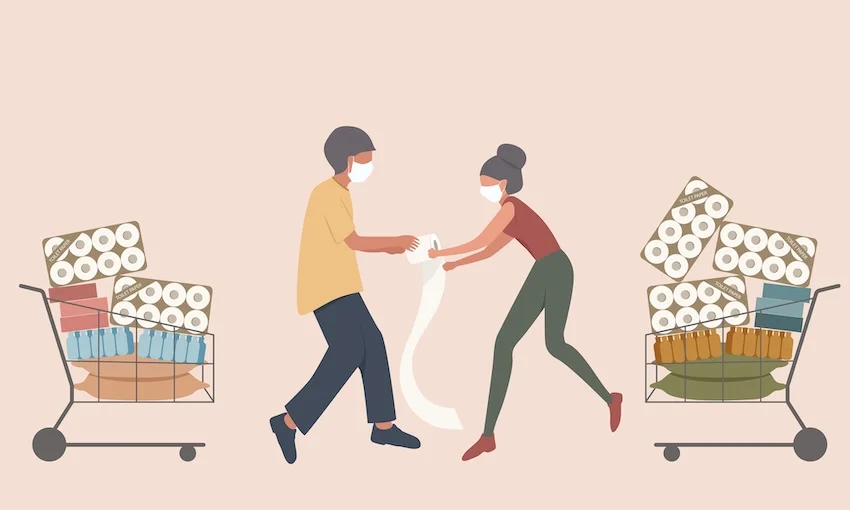
Dry Hygiene: During short periods without water, it’s best not to waste drinking water on washing. Instead, use a pack of gentle wet wipes and keep a small stock of toilet paper for any eventuality!
3. Light and Energy: Your Happy Island
When the power goes out, the initial feeling is disorientation.
Lighting: Avoid open candles, which are too dangerous. Opt for LED headlamps (which keep your hands free for cooking or caring for children) and USB lanterns.
Hand-crank Radio: In a total blackout, the internet may fail. A radio that can be charged manually or via solar power will allow you to stay updated with news.
Power Bank: Always keep one fully charged for emergencies. Over time, I’ve also purchased solar power banks that can recharge phones or LED lamps just enough.
4. Managing an “Off-Grid” Home (Without Gas and Electricity)
If you cannot use the stove, how do you heat a meal or make tea?
Candle Warmer: A simple metal holder with 3-4 tealight candles can warm a thin steel kettle. It’s slow but effective and safe.
Emergency Toilet: If water isn't flowing, don’t flush the toilet. Use sturdy bags with absorbent powders or cat litter to manage waste hygienically and odor-free.
5. Psychological Safety: The “Moral Kit”
During isolation, time seems to drag on endlessly. If there are children or teenagers, boredom can quickly turn into anxiety.
Prepare a box with a deck of cards, board games, or materials for painting or coloring.
If you are apart, establish a family password: a secret term that provides security and identifies authentic messages between you. Often, phones may not work during emergencies, but SMS messages can still get through: let your children know this, as they may find texting “cringe-worthy” these days!
My Advice from Mammafelice
Don’t try to do everything at once. Start small: one extra pack of water in the pantry, a flashlight in the drawer, a couple of extra canned goods.
Preparing is like taking out insurance: we do it hoping we’ll never need it, but we sleep much better knowing it’s there.
Let’s teach our children that prevention is a form of freedom, not fear.
Do you already have a small emergency kit at home? What must never be missing from your strategic pantry?