
The Journey of Chocolate: From Ancient Civilizations to Modern Delicacies
Explore the rich history and health benefits of chocolate, from its origins in ancient Mesoamerican civilizations to its modern culinary applications.
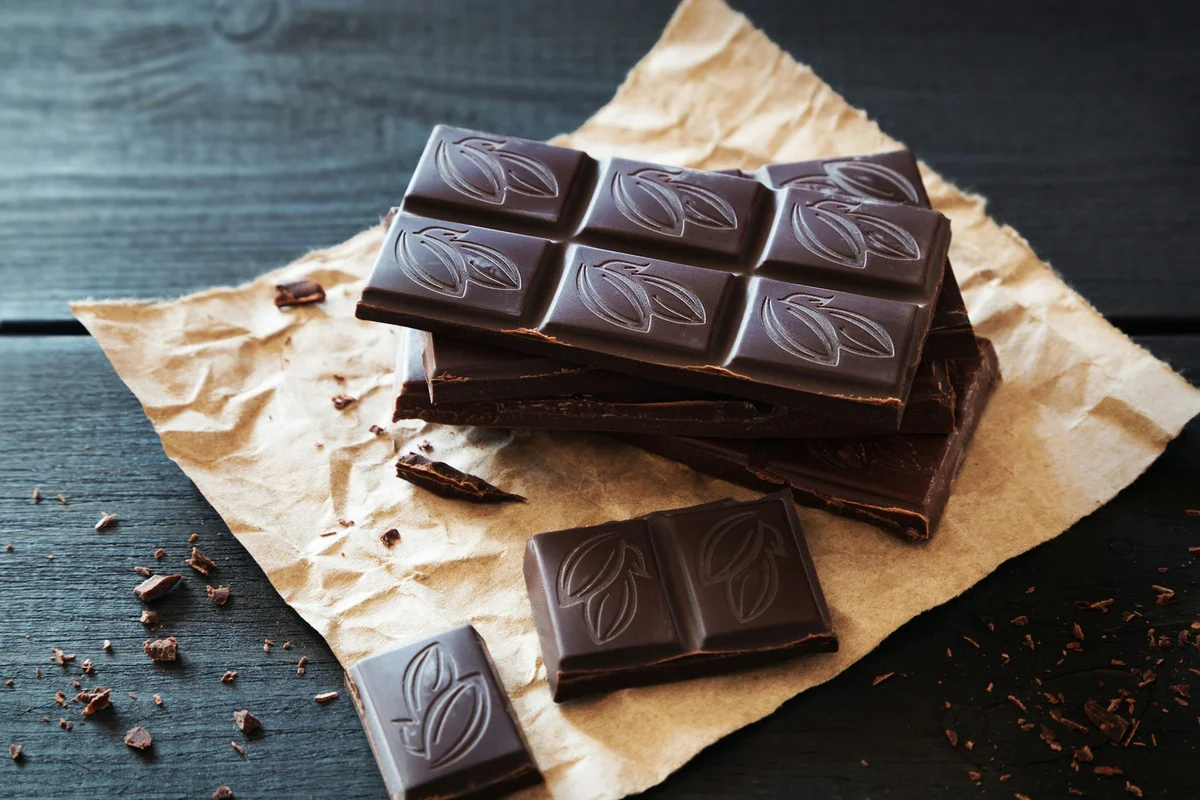
Every year on July 7, the world celebrates World Chocolate Day, honoring one of the most beloved foods globally. Derived from the seeds of the cacao plant, chocolate has traversed centuries, evolving from a ritualistic food of ancient Mesoamerican civilizations to a cornerstone of global culinary culture.
Today, chocolate continues to captivate millions, fueling a market that reached a value of $119.6 billion in 2026 and is projected to exceed $152 billion by 2031. Italy mirrors this trend, boasting a chocolate market worth over $3 billion and an annual growth rate of 5.2%, which outpaces the global average.
In celebration of this occasion, Bennet, an Italian chain of hypermarkets and shopping centers, has created an infographic titled “The World Tour of Chocolate: Consumption, Traditions, and Recipes,” which explores the evolution of cacao through the ages, highlighting traditions, curiosities, and scientifically recognized benefits.
The origins of chocolate trace back to the Maya and Aztec civilizations, where cacao held significance beyond mere sustenance. Cacao beans were used as currency and played a vital role in religious rituals and important ceremonies.
When cacao made its way to Europe in the 16th century, the original beverage was enhanced with sugar and spices, transforming into a symbol of prestige among the aristocracy. Between the 17th and 18th centuries, the renowned Chocolate Houses emerged, serving as social hubs for nobles, intellectuals, and merchants.
Beyond its rich history, chocolate garners attention for its health effects. Cacao is rich in flavonoids and other antioxidant compounds linked to cardiovascular health. Studies have also indicated positive contributions to memory, attention, and cognitive function, along with mood enhancement due to serotonin stimulation. Additionally, moderate consumption of dark chocolate may benefit the gut microbiota by promoting the growth of beneficial bacteria.
In addition to its nutritional aspects, chocolate continues to shape tastes and consumption habits. The phenomenon of Dubai Chocolate, which gained global traction through social media, has led to a 137% increase in online searches for pistachio-filled chocolates.
Not only are new trends emerging, but contemporary cuisine is also reinterpreting chocolate. Today, chocolate is utilized far beyond traditional pastries; alongside iconic desserts like the chocolate lava cake, it is also incorporated into savory dishes.
Among the most inventive examples are cacao ravioli, where cacao-infused pasta is paired with intense fillings and sauces, highlighting the contrast between sweet and savory flavors.
From ancient civilizations to modern culinary creations, chocolate continues to reinvent itself, affirming its status as one of the most cherished and versatile ingredients in gastronomy.