How and When to Wean Your Baby Off the Pacifier
Weaning your baby off the pacifier can be a gentle and positive transition. This guide offers insights on when and how to approach the process without stress.
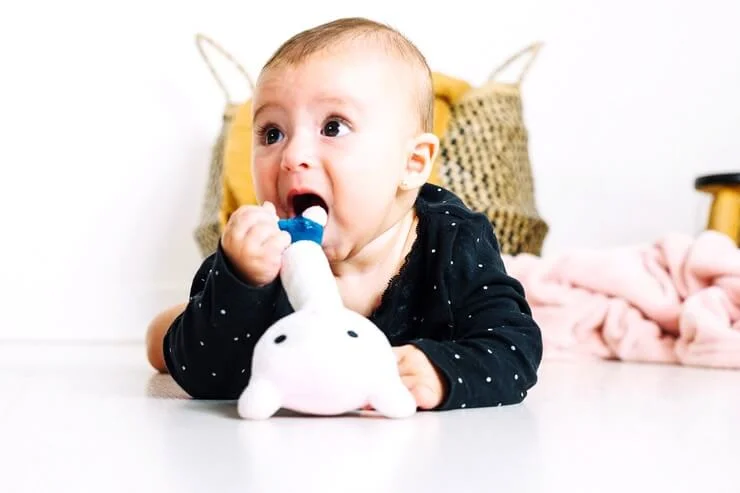
The pacifier often serves as a comforting companion during the early months of a baby’s life. It helps soothe them, assists with sleep, and provides an immediate sense of security. However, parents eventually reach a point where they wonder: is it the right time to stop? And importantly, how can this be done without turning it into a challenging experience for everyone involved?
Fortunately, weaning off the pacifier can be a gentle process that is prepared for in advance. This guide aims to support you step by step, free from guilt and pressure, ensuring that this transition becomes a positive milestone in your child’s life.
There Is No Universal Age There is no fixed age to stop using a pacifier. Each child is unique, which is why it’s essential to pay attention to the signals your little one is sending rather than adhering to a strict timeline.
Typically, between 18 months and 3 years, many children begin to develop new self-soothing abilities. They learn to manage their emotions in different ways, such as seeking their favorite stuffed toy, cuddling with you, or verbally expressing their feelings. If you notice your child spontaneously leaving the pacifier behind during play or social interactions, or if they no longer demand it consistently, it’s often a sign that their emotional independence is growing. They may be ready, or nearly ready, to give it up.
Conversely, if your child is experiencing significant stress, such as starting daycare, welcoming a new sibling, or dealing with illness, it’s advisable to wait for a calmer period. The pacifier serves as their emotional anchor, and removing it during times of need may not be beneficial.
Is It Normal for a 2-Year-Old to Use a Pacifier? Absolutely. At this age, the pacifier remains a perfectly acceptable comfort object. What’s crucial is to ensure it doesn’t become a constant reflex throughout the day, and to start gradually limiting its use.
This is one of the main reasons dentists and pediatricians advocate for a gradual weaning process before the age of 3. The French Union for Oral Health (UFSBD) recommends reducing pacifier use starting at age 2 and discontinuing it before the first permanent teeth emerge, typically around age 6.
Potential Dental Issues Extended and intensive pacifier use can lead to various dental problems, such as palate deformation, improper dental occlusion, or changes in the natural position of the tongue. Most of these issues are reversible if weaning occurs early, before the permanent teeth come in.
Additionally, a pacifier constantly in the mouth can hinder speech development. A child who frequently uses a pacifier exercises their oral muscles less, which can impede their ability to articulate sounds and words. If you have concerns about your child’s language development, resources on when children typically start speaking can provide helpful insights.
What Are the Risks for Teeth? Moderate use limited to rest times until age 2-3 poses minimal risks. It’s the continuous, all-day and night use extending beyond ages 3-4 that can impact dental alignment and the structure of the palate.
Understanding the Sucking Reflex At birth, the sucking reflex is a survival mechanism: it’s how babies feed and find comfort. This physiological need is particularly strong during the first few months. Gradually, over the weeks and months, it evolves into an emotional habit, a comfort ritual.
Recognizing this distinction is vital for approaching weaning with confidence. Your child is not “throwing a tantrum” by asking for their pacifier; they are seeking to regulate their emotions with the tool they know best. Your role is to gently introduce them to other means of comfort.
For children aged 2 to 4, the symbolic world is an incredible resource. They are at an age where fairies exist and magic is possible, and many parents successfully leverage this to make weaning a joyful rather than painful experience.
The story of the pacifier fairy is particularly popular: together, you and your child can place the pacifier(s) in a special spot, like a decorated box or under their pillow, or at the base of a tree in the yard. At night, the fairy comes to collect them to give to new babies in need, leaving behind a small gift or a kind note in exchange.
This ritual has multiple benefits: it empowers the child in the decision (they are offering their pacifier, not having it taken away), it frames the act as one of a “big kid,” and it introduces a sense of generosity and transition that resonates at this age.
The magic tree works on the same principle: the child hangs their pacifier on a branch, and the next day, they find a small surprise in its place. This moment can feel like a true celebration.
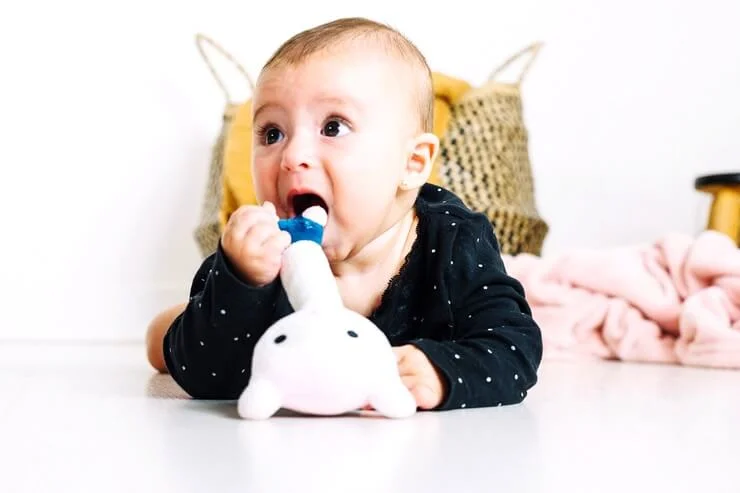
Beyond nighttime rituals, some families choose to host a small party to mark this occasion. A cake, balloons, and inviting grandparents to celebrate the moment when the little one becomes a “big kid” creates a positive atmosphere, anchoring in the child’s memory not a sense of loss, but of achievement.
Socially valuing this transition boosts the child’s self-esteem. They haven’t “lost” their pacifier; they’ve “given” it away because they have grown up. This subtle shift in perspective can significantly alter how the child experiences the event.
This approach aligns with the principles of positive parenting and gentle methods, which share a vision of the child as an active participant in their own development, as seen in Montessori education.
The First Nights Without a Pacifier The initial nights without a pacifier can often be the most challenging. Your child might cry, ask for it, or wake up more frequently. This is completely normal and expected: they are losing an important comfort reference, and their brain needs to learn new ways to fall asleep.
Several factors can ease this transition: a reassuring yet firm presence (you are there, but you don’t give in to the pacifier), soft whispers, a gentle nightlight to prevent total darkness from adding to their anxiety, and soft music or white noise in the background. The goal is not to abandon the child to their tears but to guide them towards independent sleep by showing them they are capable of it.
Patience is key. For the vast majority of children, the adjustment period lasts one to two weeks. It may also be helpful to consider developmental spurts that can make certain times more tumultuous: resources on growth spurts can help clarify these temporary phases of agitation.
How to Know If Your Child Is Ready Some encouraging signs include: they can express their needs verbally, they have a comfort object or toy, they show interest in “big kid” things, and the pacifier doesn’t seem essential outside of sleep times.
A setback is not a failure. It simply indicates that your child is navigating a more challenging period. Teething (around age 2), starting daycare or school, a cold, or moving can all temporarily rekindle the need for the pacifier.
In such cases, avoid scolding or shaming. Instead, welcome and understand this need, and resume the weaning process gradually once the storm has passed. Scolding a child for requesting their pacifier during a vulnerable moment would only add insecurity to their existing anxiety.
If your child exhibits other soothing behaviors, such as nail-biting, know that this is also quite common.