
Understanding Emotional Collapse After School: Causes and Management Strategies
Does your child behave wonderfully at school but collapse or explode at home? We explain what emotional collapse due to accumulated containment is and how to support this release of tension.
Date of publication: August 4, 2026
By Carla Domínguez · Licensed Psychopedagogue and Positive Discipline Trainer
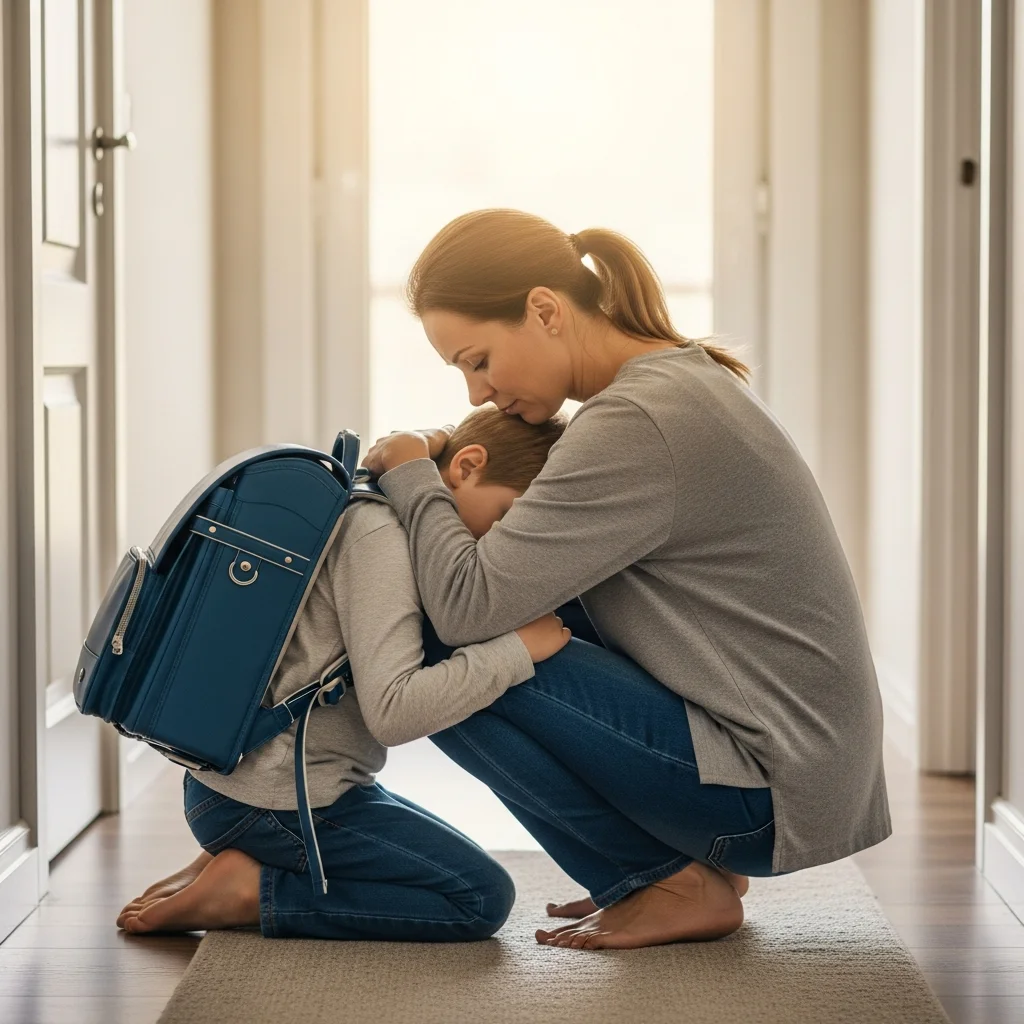
As you pick up your child from school, the teacher shares a glowing report of their behavior throughout the day. Yet, the moment you step through the front door, chaos ensues. Tears over a misaligned sock, outbursts over simple questions, or a complete lack of motivation can leave parents bewildered. This is not simply bad behavior, a whim, or an attempt to manipulate; it is a physiological and emotional response known in educational psychology as emotional collapse due to accumulated containment.
The Invisible Strain of the School Day
Children spend six to seven hours in an educational setting where they engage in significant cognitive, social, and sensory efforts. They must suppress physical impulses, remain seated, follow constant instructions, manage frustrations during recess, adapt to the din of the cafeteria, and navigate complex peer interactions. For a developing brain, this level of self-control expends an enormous amount of energy.
This exhaustion is even more pronounced in children with high sensitivity, ADHD, or autism spectrum profiles, as their processing of sensory information and social adaptation demands extra attention that can leave them drained by day's end. By the time school is over, their self-regulation reserves are completely depleted.
The Paradox of Home as a Safe Space
Many families find themselves puzzled: why is my child so well-behaved at school but acts out at home? The answer, though tiring in practice, is indicative of secure attachment.
School presents a structured environment where children feel the social pressure to fit in and meet expectations. At home, with their primary caregivers, they know that love is unconditional. They no longer need to wear a mask or pretend that everything is fine. As soon as they step through the door, the accumulated tension dissipates, and all that they have been holding back throughout the day surfaces as emotional overflow. Home is their safe space to break down.
Respectful Strategies to Ease the Afternoon
Supporting a child through this emotional collapse requires a shift in adult perspective: moving from frustration over perceived misbehavior to compassion for the child’s exhaustion. Making certain adjustments to the after-school routine can significantly enhance the family atmosphere.
- Avoid the interrogation at pick-up: The first instinct is often to ask how their day was or what they did in class. This forces an exhausted brain to exert effort in memory recall and verbalization that it cannot manage. Replace questions with a silent hug, a smile, or a simple "so happy to see you." There will be time to talk later.
- Address immediate physiological needs: Hunger and dehydration can exacerbate any crisis. Bringing a healthy snack and water when picking them up provides a quick energy boost that helps stabilize blood sugar levels before heading home.
- Plan for a low-demand transition: Upon arriving home, lower your expectations. This is not the time to insist on homework, immediate tidying up, or jumping into demanding extracurricular activities. Allow space for free play, outdoor movement at the park, or simply some screen-free downtime for the nervous system to recalibrate.
- Validate emotions without rushing to correct them: If a tantrum erupts, avoid moralizing speeches or punishments. Phrases such as "I see you’re really tired; it’s been a long day, and you’re safe here" can help calm the child’s amygdala. Once emotions settle, you can discuss what happened and explore alternatives together.
Sources
- Papa positive!
Categories: News