
Understanding Complex Emotions: 5 Books to Help Children with Pride, Embarrassment, and Envy
Explore five insightful books that help children understand complex emotions like pride, embarrassment, and envy, fostering their emotional development.

Exploring the intricacies of childhood emotions is essential for fostering emotional intelligence in children. Following previous discussions on shame, guilt, and jealousy, this article delves into three more complex feelings: pride, embarrassment, and envy. These emotions, while often quieter, play a significant role in shaping a child's personality and self-image. Understanding them can aid in nurturing a strong emotional identity, enabling children to navigate the world without being overwhelmed by external judgments or dismissing their feelings.

Pride, Embarrassment, and Envy: Emotions Reflecting Self and Others
These feelings fall under the category of self-conscious emotions, which require children to have developed a sense of self, an understanding of social rules, and the ability to compare themselves with others. They do not appear suddenly but evolve over time through relationships, language, and experiences. When acknowledged and named correctly, these emotions can become valuable resources. Conversely, if ignored or devalued, they may lead to insecurity, withdrawal, or conflict.
Pride
Pride is a crucial emotion in developing self-esteem. In educational contexts, a distinction is made between healthy pride and dysfunctional pride. Healthy pride arises from recognizing one's significant efforts and perseverance, while dysfunctional pride is solely tied to external approval. Teaching children to recognize healthy pride shifts the focus from results to the process, valuing effort over performance. When a child learns to say, “I am proud of myself,” they build an internal sense of security that makes them less reliant on others' judgments.
Embarrassment or Shame?
There is often confusion between these two emotions. Shame is related to the self, carrying the implicit message: “There is something wrong with me.” It is a deeper, more intense emotion that involves personal identity and can lead to withdrawal, a desire to disappear, and internalized negative judgments (“I am bad,” “I am not good enough”). If not addressed, shame can damage self-esteem.
In contrast, embarrassment pertains to the situation, conveying the message: “This situation makes me uncomfortable.” It is a lighter, more transient emotion that arises from being observed by others and is linked to social awareness without directly affecting one's identity. Educationally, embarrassment can be a healthy developmental signal, indicating that a child is learning to navigate social contexts. It arises from the awareness of others' perceptions and the risk of exposure. Instead of eliminating or forcing embarrassment, it should be normalized. Dismissing a child's embarrassment as “silly” or telling them “there's nothing to be ashamed of” invalidates their emotional experience. Recognizing embarrassment helps transform it into social competence and gradually builds self-confidence.
Envy
Envy arises from comparison and the desire to possess what someone else has—attention, skills, objects, or affection. In educational settings, envy is not deemed a negative emotion; rather, it serves as a powerful informational signal. It indicates a need, aspiration, or sometimes unexpressed frustration. Helping children recognize envy involves teaching them to decode their feelings: “What do I really desire?” and “What can I do to get closer to what I want?” When accepted, envy can become a source of motivation; if suppressed, it risks turning into hostility and feelings of inferiority.
5 Books to Explain Pride, Embarrassment, and Envy to Children
Now, let’s explore five children’s books that address these complex emotions with accessible language and solid emotional foundations. These stories allow children to see themselves in the characters, name their feelings, and understand that even uncomfortable emotions serve an important function, as they can be understood and processed.
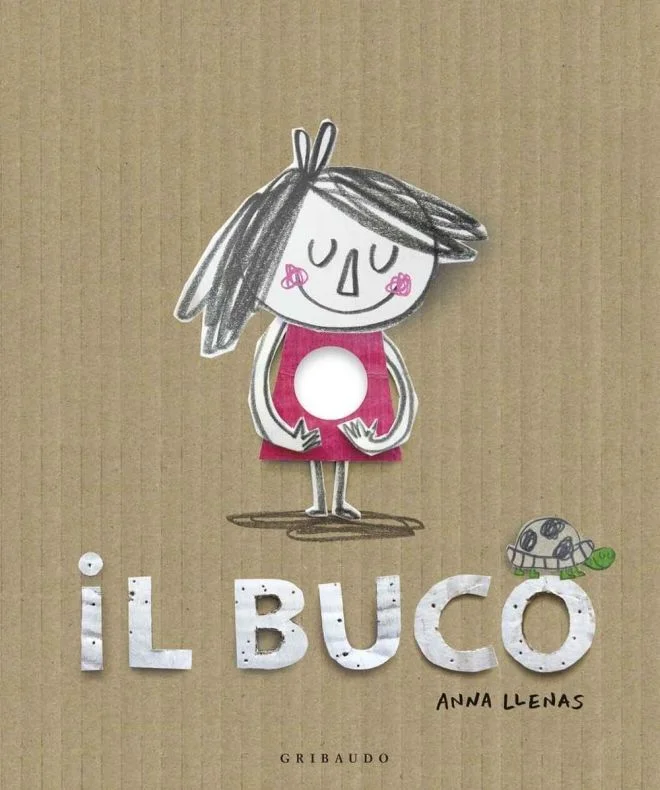
Il buco. Ediz. illustrata
Written by Anna Llenas and translated by Daniela Gamba for Gribaudo Editore, this book highlights the importance of encounters and moments of change. The protagonist learns that facing difficulties requires courage and that vulnerability is not a flaw. Step by step, a quiet pride emerges from having endured and found a new balance, even while observing what others still possess. This story aids children in recognizing complex emotions and enhances their emotional awareness.
Age range: from 3 years.
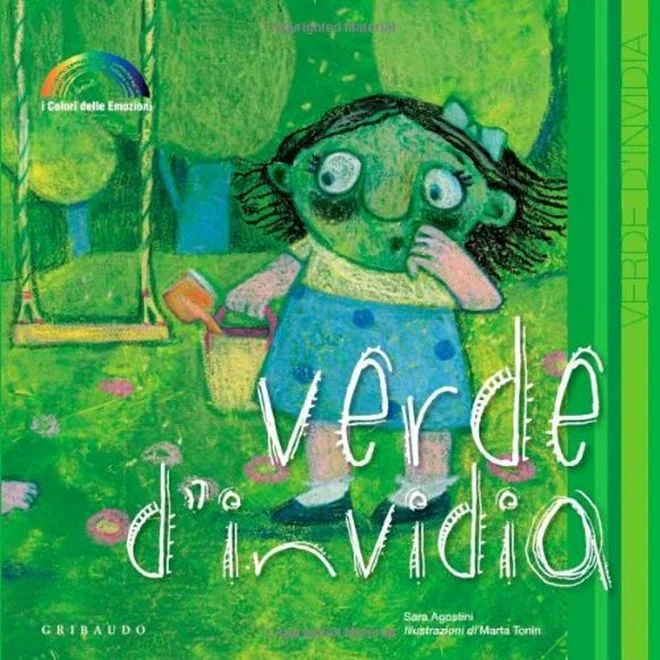
Verde d’invidia. Ediz. illustrata
Authored by Sara Agostini and illustrated by Marta Tonin, this book explores how noticing friends who seem to have more can create a hard-to-explain discomfort. Sara frequently experiences this, leading to a feeling of being overtaken by envy. The narrative helps children recognize this emotion without judgment, guiding them to understand what lies behind their comparisons. Using the language of colors, the book provides a simple way to name envy and learn from it.
Age range: from 3 years.
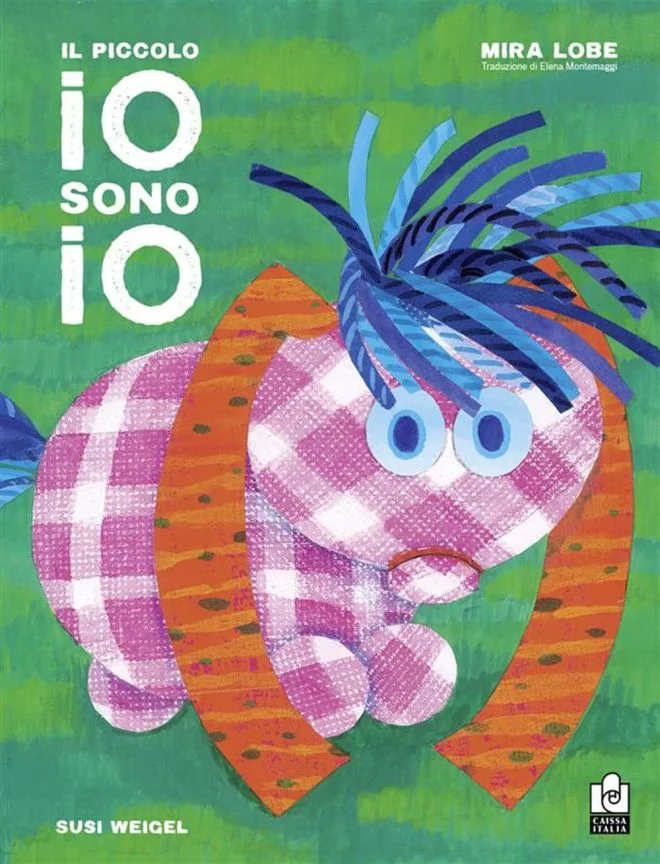
Il piccolo Io-sono-io. Ediz. illustrata
Written by Mira Lobe and illustrated by Susi Weigel, this story follows a small creature on a journey of self-discovery. When asked, “Who are you?” the protagonist seeks definitions from various animals but finds none that fit. Confused and discouraged, the character grapples with the gaze of others and the quest for identity. Ultimately, they realize that one does not need to fit into a category to have an identity. This tale guides children through the complexities of comparison, embarrassment, and pride in being unique.
Age range: from 4 years.
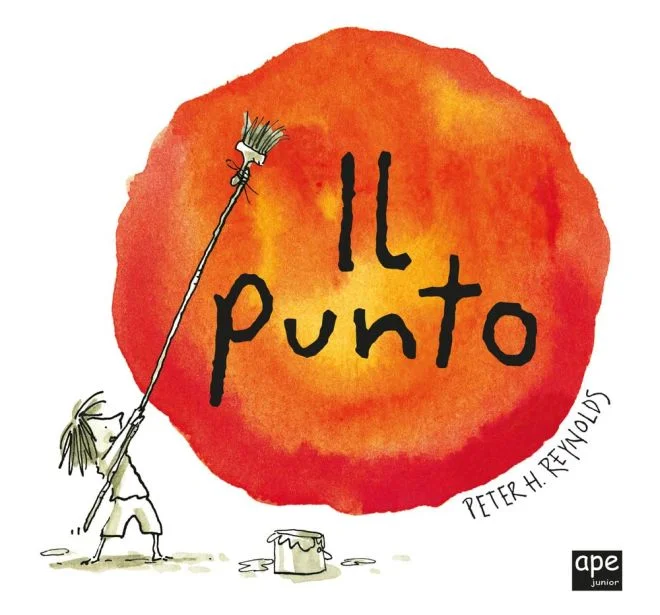
Il punto. Mini. Ediz. a colori
Written by Peter H. Reynolds and translated by Marinella Barigazzi, this book tells the story of Vashti, who believes she cannot draw and feels uncomfortable in front of a blank page. A simple gesture from her teacher—acknowledging a small dot—opens a new realm of possibilities, focusing on the effort rather than talent. It takes children from the fear of exposure to discovering authentic pride that stems from trying and engaging. Il punto is widely used in educational settings for its deep exploration of self-esteem, creativity, and self-trust.
Age range: from 5 years.
Non so proprio come dirlo. Ediz. a colori
Written by Elisa Mazzoli and illustrated by Cristina Petit, this book addresses emotions that often remain unspoken due to feelings of exposure. It tackles discomfort in expressing feelings and the fear of vulnerability. This narrative helps children recognize intimate emotions that can lead to embarrassment and insecurity, illustrating that finding the right words can lighten their emotional burdens. The relatable illustrations assist children in connecting with the situations depicted, transforming silence into awareness and confidence.
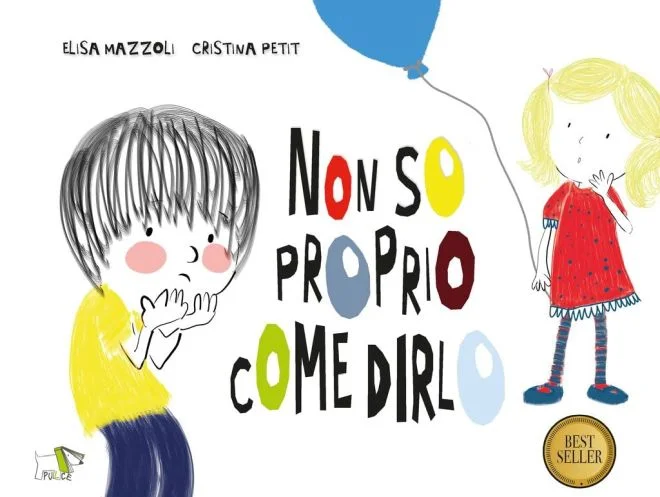
Age range: from 4 years.
Share Your Experience!
Pride, embarrassment, and envy are not emotions to be avoided but valuable signals in how children are building their identities through their interactions with others. Books can create a safe space for children to recognize themselves, ask questions, and feel legitimized in experiencing even the uncomfortable emotions.
How do you support children when these emotions arise? Do you already use reading as a tool for dialogue, and if so, is there a book that has helped your child express their feelings? We look forward to hearing your thoughts in the comments!