Practical Lunchbox Ideas for Kindergarten
Packing a lunchbox for kindergarten should be practical and enjoyable for children. This article offers straightforward ideas and tips for creating a balanced and appealing lunch.
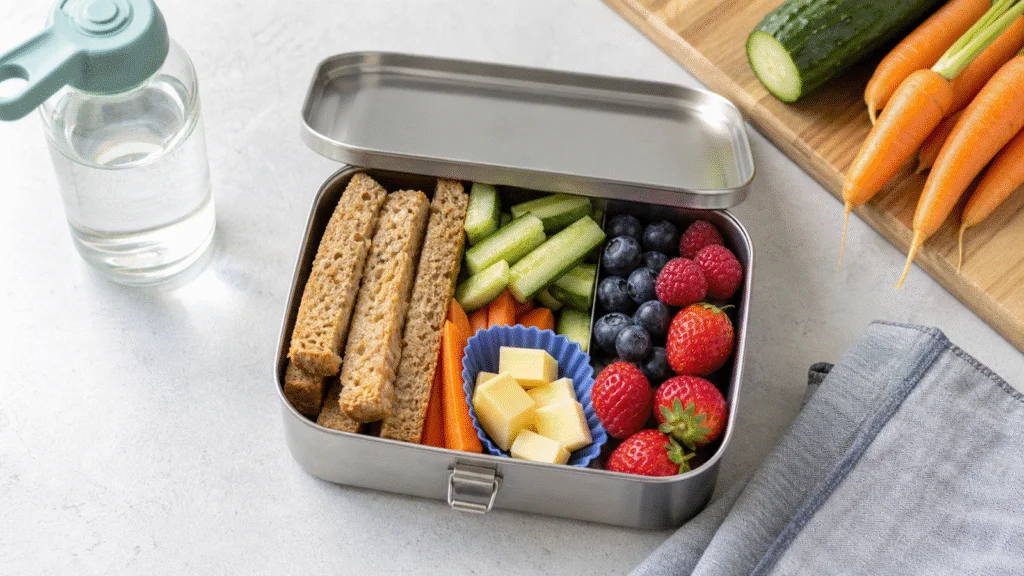
Packing a lunchbox for kindergarten should primarily focus on practicality. Mornings are often rushed, leaving little time for elaborate designs or lengthy recipes. Parents desire a meal that their child will enjoy, is easy to transport, and won’t return home untouched after a busy day of play.
The positive aspect is that a varied lunchbox does not need to be visually perfect. By utilizing a few key components, appropriate portion sizes, and some planning, parents can create a solution that remains straightforward for children while easing the daily routine for families. This article presents practical ideas for kindergarten lunches, aiming to help parents fill the lunchbox without added pressure.
Clarifying Kindergarten Rules
Before selecting ingredients, it’s important to check with the kindergarten. Are there any allergies within the group? Are there nut-free guidelines, a shared breakfast, or specific foods that cannot be brought? Some kindergartens provide drinks, while others request that children bring their own water bottles. Clear communication can prevent situations where the lunchbox contents are not allowed in the classroom.
Additionally, consider the timing of meals. Do children eat early, late, or at intervals? Is there assistance available for opening containers? The younger the child, the more crucial it is to have a lunchbox that they can handle independently. Testing closures and individual containers at home can help ensure that the lunchbox is user-friendly, as a beautifully designed box that is difficult to open can complicate the morning.
Planning with Three Simple Components
A straightforward lunch can be created using a filling element, a portion of fruit or vegetables, and a small addition. For example, this could be bread with a spread, accompanied by cucumber and berries. On another occasion, a container of yogurt, oats, and soft fruit pieces could be packed. The Austrian Health Insurance Fund offers additional practical suggestions in their guide, "Healthy Lunch from Home."
These components are flexible and should reflect what the child is familiar with and enjoys. New foods can be introduced in small amounts alongside familiar options. A full lunchbox does not necessarily mean a better one; it’s often more effective to include a few easily manageable items that the child will actually eat.
Bread, Spreads, and Savory Ideas
Whole grain bread, mixed bread, small rolls, wraps, or homemade savory muffins can serve as a solid base. For younger children, it’s helpful to cut bread into manageable strips or small triangles. Suitable toppings include cream cheese, hummus, cheese, egg, or a mild vegetable spread, always in line with kindergarten guidelines and family habits.
Variety can often be achieved through different shapes rather than complex ingredients. Sometimes bread can be made into a small sandwich, other times it can be rolled, or served in separate compartments. If a particular combination is well-received, it can be included regularly. Parents do not need to come up with a new idea every day.
Packing Fruit and Vegetables for Kids
Washing, cutting, and portioning fruits and vegetables so that children can easily grab them is usually more important than decorative presentation. Seasonal options include cucumbers, bell peppers, carrots, berries, apple slices, pears, melons, or soft peach pieces. It’s essential to ensure that pieces are safe and age-appropriate for younger children, and any uncertainties should be discussed with the kindergarten or a professional.
Some children prefer their vegetables separate from bread, while others enjoy a dip. A small container with yogurt dip or spread can be helpful, as long as it seals securely. In summer, a cooler bag is advisable for transporting sensitive foods, and the lunchbox should be kept cool and clean until mealtime.
Don't Forget to Include a Drink
A spill-proof water bottle is a staple for many families. It’s important to check together whether the child can open and close the lid independently. Sweet drinks do not need to be a regular part of the lunchbox. If the kindergarten has specific rules regarding beverages, parents should adhere to them. A bottle that is easy to clean after the kindergarten day is also practical.
Involve the Child in the Selection
Children are often more inclined to eat what they have chosen or helped prepare. Parents can offer two suitable options, such as, "Would you like cucumber or bell pepper today?" or "Would you prefer berries or an apple?" This keeps the selection manageable and allows the child to experience a sense of independence. Younger children can also assist with washing, filling, or packing.
Our article on age-appropriate household tasks illustrates how these small moments of involvement can occur without pressure. The lunch is not a test of good eating habits; it is simply part of daily life.
What to Do If the Lunchbox Often Returns Full
Instead of solely focusing on what remains uneaten, it’s beneficial to ask questions with curiosity: Was there not enough time? Was it too much? Did something not taste good, or was it difficult to open? Sometimes the portion may be too large, or the morning may have simply been too exciting. A brief conversation with the kindergarten can provide additional insights.
Avoid turning leftovers into a major issue. Instead, make minor adjustments for the next time: reduce the quantity, change the shape, or provide more familiar combinations. Children do not need to finish everything to be taken seriously. Repetition and a relaxed atmosphere will yield better long-term results than pressure.
A Weekly Routine Saves Time
Don’t plan seven completely different lunchboxes. A simple list of five core ideas is sufficient: bread plus vegetables, wraps plus fruit, yogurt plus oats, cheese cubes plus bread and fruit, or leftovers from a simple dinner in a child-friendly form. Purchase ingredients mindfully and prepare wash-ready vegetables or portioned fruit when time allows.
Establishing fixed routines can help streamline morning organization. Our article on simple family routines provides further ideas on how small steps can be managed without needing to renegotiate every day.
Checklist for the Kindergarten Lunchbox
- Follow kindergarten guidelines.
- Test the lunchbox and bottle together.
- Choose a few, easily manageable components.
- Combine familiar items with small new offerings.
- Adjust portions to the child and meal timing.
- Consider cooling and hygiene during summer.
- Use leftovers as feedback, not as a judgment.
Conclusion: Practicality Over Perfection
A good kindergarten lunchbox does not need to be reinvented daily. It should be organized, securely packed, tailored to the kindergarten’s requirements, and filled with items that the child enjoys and can eat independently. With a straightforward routine, some choice, and realistic portions, packing the daily lunch becomes easier for both children and parents.