How to Reduce Cellulite During Pregnancy?
Cellulite often worsens during pregnancy. Discover effective strategies to minimize its effects, including dietary tips, treatments, and exercises to maintain a healthy silhouette.

Cellulite poses a significant challenge for many women, regardless of age, and its prevalence often increases during pregnancy. Addressing this issue is crucial, even while expecting a child.
There are various strategies to mitigate the effects of cellulite, making it essential to adopt the right measures early on to maintain a harmonious silhouette post-delivery.
Understanding the Hormonal Connection
The relationship between hormones and cellulite is direct: it's no coincidence that the appearance of cellulite worsens with certain hormonal imbalances, such as decreased thyroid function or the use of hormonal contraceptives. During pregnancy, the body naturally produces higher levels of hormones like estrogen and progesterone, which can exacerbate this condition.
The elevated estrogen levels typical of pregnancy lead to increased fat mass, promote water retention, and make capillaries more permeable and fragile. This hormonal surge also multiplies the production of free radicals, which can further deteriorate tissue condition and worsen the appearance of cellulite.
Additionally, the rise in progesterone levels during pregnancy has a relaxing effect on various organs and tissues, including the venous and lymphatic systems. This relaxation can contribute to water retention and the associated swelling, which are common during this time.
Prolactin's Role
During pregnancy, prolactin levels also rise. This hormone, like progesterone, encourages water retention, often resulting in localized swelling in areas such as the hands, ankles, and feet. For women already experiencing cellulite, this can worsen tissue condition, leading to inflamed areas that may become more visible.
Dietary Considerations
Among the various factors that can worsen cellulite, excess localized fat in the lower body is significant. Thus, it is vital to follow a strict and balanced diet during pregnancy, focusing on small, frequent meals rich in fruits, vegetables, and proteins.
It is advisable to avoid sugary foods, fatty dishes, and high-calorie snacks. Excess weight gain during pregnancy can be challenging to lose afterward and is directly linked to the worsening of cellulite.
Anti-Cellulite Treatments
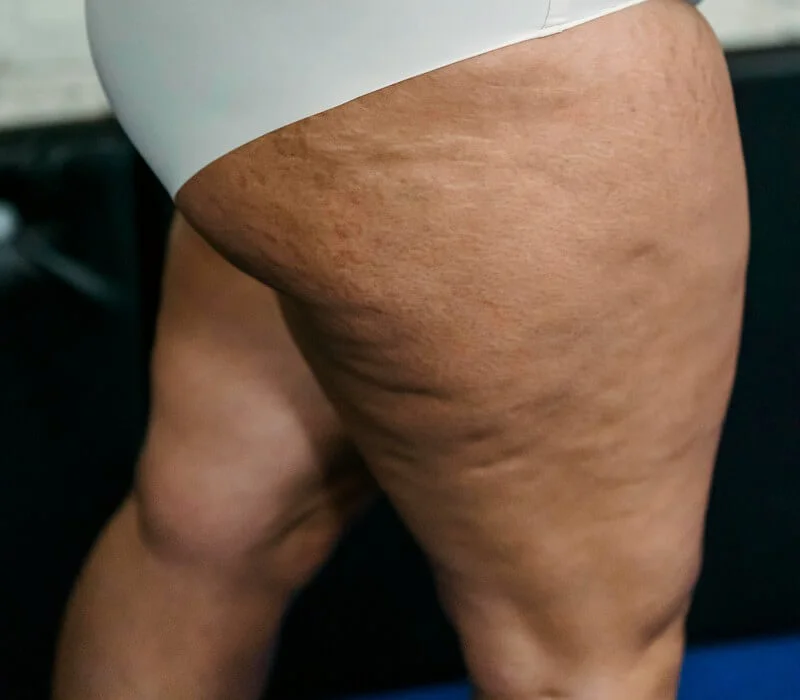
Anti-cellulite treatments are beneficial at every stage of a woman’s life, especially during pregnancy. They help limit the various mechanisms that contribute to the formation of cellulite and the orange-peel skin appearance. Choosing the right treatment formulation is crucial.
For those prone to water retention and swelling, treatments containing specific active ingredients like escin, horse chestnut, butcher's broom, centella, and witch hazel can be effective. These natural substances help protect and stimulate microcirculation, promoting the elimination of fluids and waste.
Conversely, if cellulite appears as localized fat on the thighs, hips, and buttocks, products containing caffeine, ginkgo biloba, green tea, kola nut, and guarana are more suitable. These ingredients have lipolytic effects, aiding in fat elimination while preventing accumulation.
Active ingredients from plants (like centella), algae, and vegetable oils can also help tone and firm tissues, which are often prone to sagging due to cellulite.
If a woman's health is already compromised before pregnancy, it may be beneficial to use treatments with a high percentage of active lipolytic substances to minimize the risk of deterioration during the nine months. These intensive formulations, available in bottles, serums, or sticks, should be applied twice daily for at least two weeks, followed by daily applications for a month, and then transitioning to a less concentrated treatment until delivery.
For practicality, especially when the belly grows, using sprays or patches infused with treatment substances can be a good alternative. These should be applied to the affected areas and left on for eight hours, but should not be worn overnight. Always check for any adverse reactions like redness and remove them immediately if necessary.
Massage Techniques
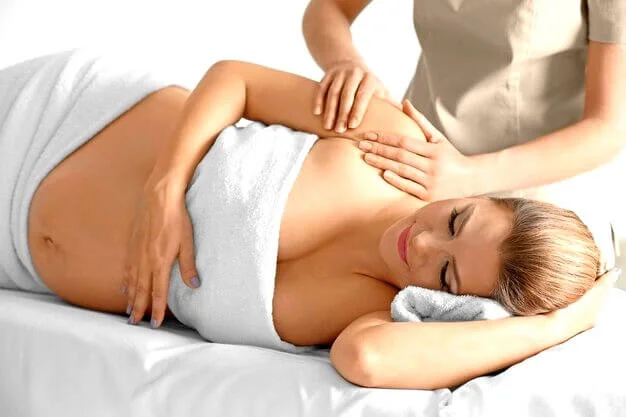
Gentle massages during pregnancy can stimulate circulation and enhance drainage, making treatments even more effective. This can be done daily, considering the size of the belly. Start by using your fingers to gently press the arch of your foot, moving from the heel to the toes. Then, apply light pressure with your hands in a funnel shape, moving from the foot up to the knee, repeating this for at least a minute on each leg.
When the belly becomes too large, a water massage can be a good alternative. This involves alternating warm and cold water jets on the legs, focusing on the back of the knees, which helps activate microcirculation and improves product absorption.
Exfoliation
Exfoliation helps remove dead skin cells that can block product absorption. It should be performed at the beginning of the treatment cycle and repeated every ten to fifteen days. The ideal exfoliant should contain sea salt, known for its draining effect, and should be applied gently on damp skin only in areas where cellulite accumulates.
Maintaining Circulation
Poor circulation, which worsens during pregnancy due to the relaxing effects of progesterone and pressure from the uterus on veins, is a primary cause of cellulite. Regular physical activity is essential for maintaining good blood flow, even during pregnancy.
Walking briskly for at least twenty minutes each day, swimming when possible, and performing a simple exercise like pedaling while lying on your back for two minutes can effectively stimulate circulation.
To further promote blood and lymphatic circulation and combat swelling, it is recommended to elevate your legs by resting them on a high chair or against a wall for at least three minutes. This position allows blood and lymph to circulate, reducing the sensation of heavy legs.
Compression stockings can also be beneficial for stimulating blood circulation and aiding venous return from the feet to the heart, providing a sense of lightness and comfort in the legs. It is advisable to wear them from the moment you wake up throughout the day. New models are lightweight and come in various colors, allowing for stylish wear even during pregnancy.
However, be cautious to avoid anything that may compress the groin, thighs, calves, or ankles, and when it comes to footwear, avoid high heels and flat shoes, as both can hinder proper function of the venous system in the feet, which is crucial for blood circulation.