Pregnant Woman's Body: Preventing Stretch Marks and Supporting Pregnancy Changes
The pregnant woman's body transforms rapidly during these nine months, and this is likely one of the most common concerns shared by all future moms. Discover how to embrace these changes.
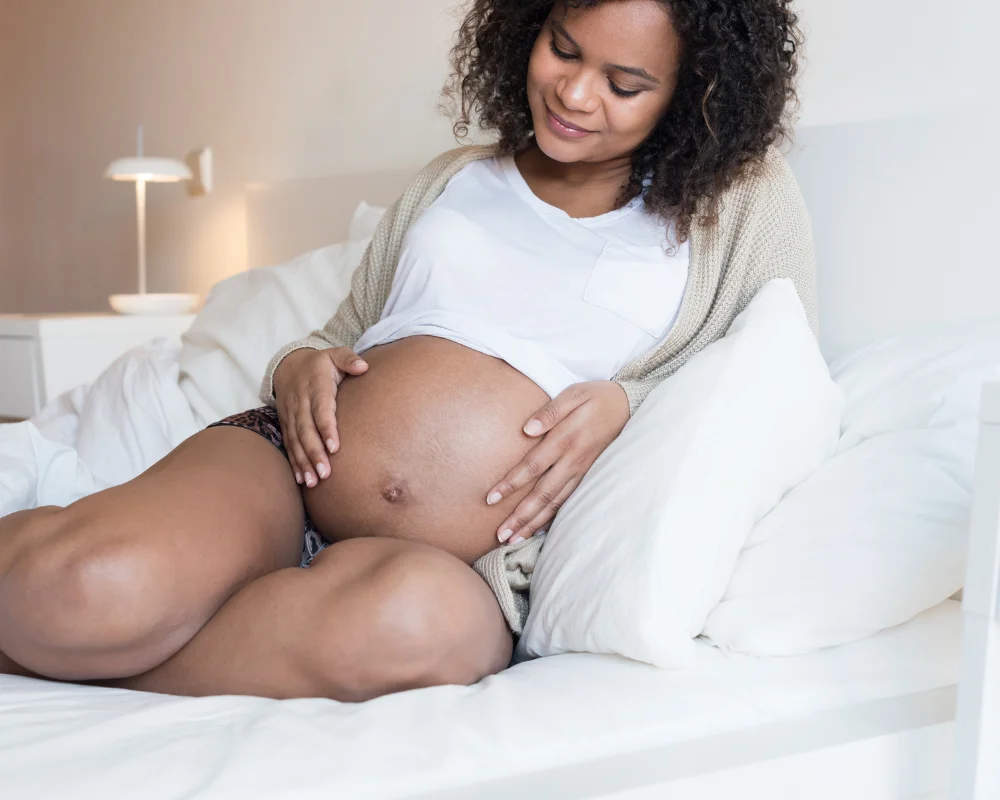

The pregnant woman's body undergoes rapid transformations during these nine months, and this is likely one of the most common concerns shared by all future moms. You look in the mirror and see your body changing every week. You wonder if you will get stretch marks, how much weight you will gain, and how your body will transform in the coming months. And you would like to limit the "damage" without depriving yourself, feeling frustrated, or putting pressure on yourself.
Good news: there are plenty of simple, gentle, and effective little gestures to support your body throughout these nine months. Not to stay "the same" — because it would be absurd to ask your body to create a human being without changing — but to experience these transformations in harmony with your body, feel beautiful, and prepare for a more serene postpartum. Here is a complete and caring guide to accompany you.
Why the Pregnant Woman's Body Changes So Much

Before diving into a skincare routine, it’s essential to understand what’s happening inside. This will help you better accept the changes and act at the right times.
During pregnancy, your body is under the influence of a massive hormonal cocktail. Estrogens and progesterone surge. Relaxin softens your ligaments. You gain volume because your uterus stretches to accommodate the baby, your blood volume increases by 40%, and your body stores reserves for breastfeeding.
As explained by the Rivadouce website, the skin fragility caused by hormonal fluctuations, combined with normal weight gain, increases the risk of pregnancy stretch marks. The pressure exerted on the epidermal surface of the belly increases over the months, alongside the growing size of the uterus. Heloa
All of this is normal and necessary. But with a few good reflexes, you can help your body better adapt to these transformations.
Managing Weight Gain During Pregnancy
Before discussing stretch marks and skincare, let’s talk about the crux of the matter: weight gain. This directly influences the appearance of most of the "damage" you fear.
What Weight Gain is Considered Normal?
Here are the official recommendations, which vary according to your starting BMI:
- BMI under 18.5 (underweight): 12.5 to 18 kg
- BMI between 18.5 and 24.9 (normal weight): 11.5 to 16 kg
- BMI between 25 and 29.9 (overweight): 7 to 11.5 kg
- BMI over 30 (obesity): 5 to 9 kg
For twin pregnancies, it’s between 16 and 24 kg.
⚠️ These figures are indicative ranges, not strict rules. Your midwife or gynecologist is best placed to assess what works for you.
The Secret: Gradual and Non-Drastic Weight Gain


This is the key point for preserving the pregnant woman’s body. As highlighted by the Omum blog, sudden weight gain (or loss) puts the skin under stress and encourages the development of stretch marks. During pregnancy, it’s best to try to increase your weight gradually, eating without depriving yourself but reasonably. Blédina
Specifically, here’s a balanced distribution:
- 1st trimester: almost no weight gain or 1-2 kg maximum
- 2nd trimester: about 4 to 5 kg (around ~1.5 kg per month)
- 3rd trimester: about 5 to 6 kg (around ~1.5 kg per month)
If you gain 3 kg in one month during the 2nd trimester, it’s a signal to adjust your diet without restricting yourself. Consistency is your ally.
Pitfalls to Avoid Without Guilt


Here are behaviors that cause the scale to rise too quickly (and with it, the risk of stretch marks):
- Snacking thinking you’re eating for two — in reality, you only need an additional 200 to 400 kcal per day, and only from the 2nd trimester
- Compensating cravings with industrial sweets (cookies, pastries, sodas)
- Skipping breakfast and compensating later
- Drinking your calories: fruit juices, sodas, smoothies in excess
- Eating in front of a screen without awareness of what you’re consuming
Eating for Two, Really? Spoiler: No
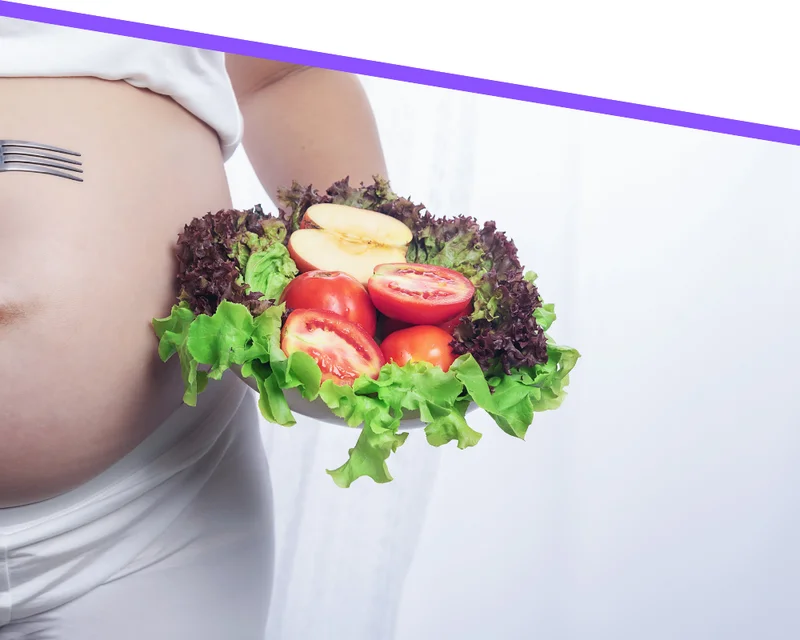

The famous "eating for two" is probably the most persistent myth of pregnancy. The reality is that you should eat for one and a half at best, and only from the 4th month.
It’s better to eat well than to eat more. Here are the good foundations for nourishing your pregnant body:
- Proteins at every meal (eggs, meat, fish, legumes, tofu)
- Whole grains rather than white (whole pasta, brown rice, quinoa)
- Fruits and vegetables at will (at least 5 per day)
- Healthy fats (avocado, olive oil, nuts, fatty fish)
- Water in large quantities (at least 1.5 L per day, preferably 2 L)
This is probably THE topic that obsesses you right now. Let’s be honest: we cannot guarantee a total absence of stretch marks. But we can significantly reduce the risk with a few good reflexes.
Understanding the Stakes: 50 to 90% of Pregnant Women are Affected
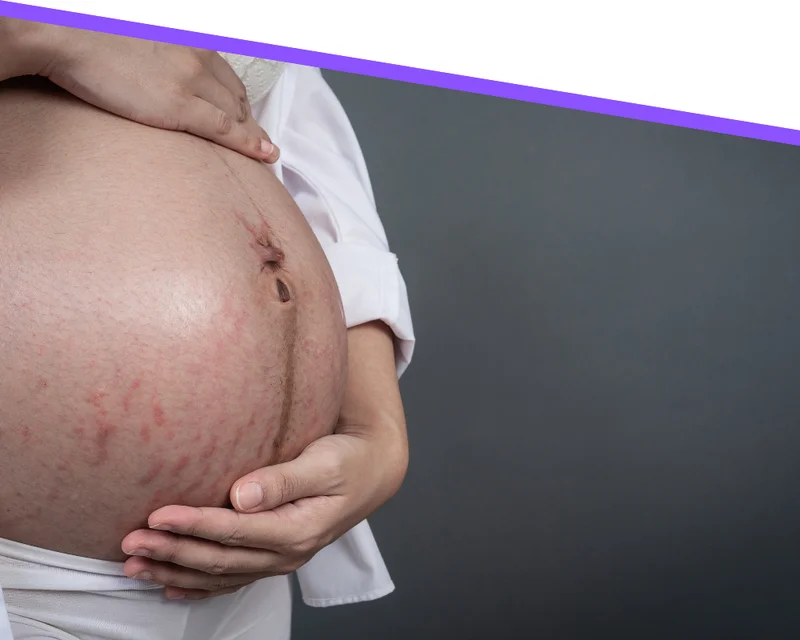
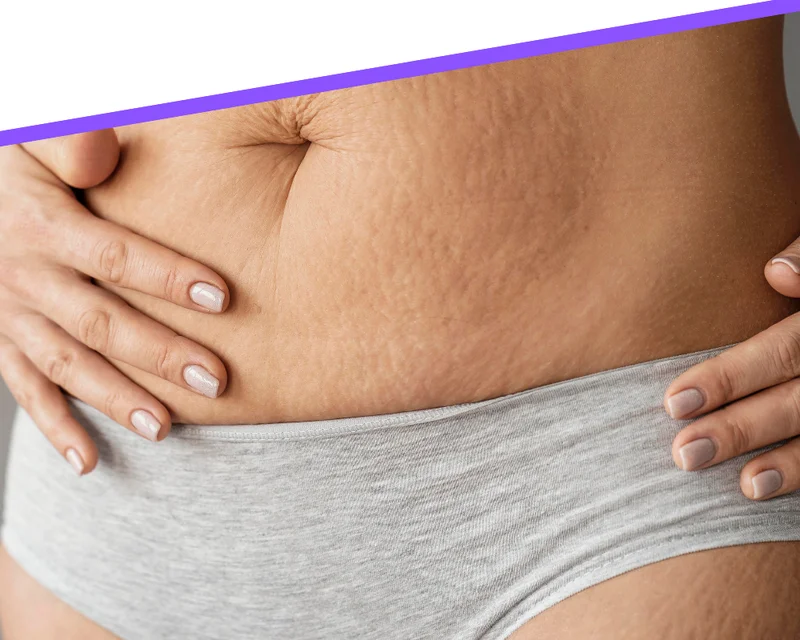
To put things into perspective, here’s what the Cochrane study (a global scientific reference) says: women often develop stretch marks during pregnancy, particularly in the third trimester. 50% to 90% of women are affected. Stretch marks appear as red lines or streaks, which slowly fade after pregnancy, leaving light lines on the skin. The belly, breasts, and thighs are the most frequently affected areas. CAF
So yes, it’s likely that you will have a few. And no, it’s not a personal failure: it’s biology doing its job.
The Areas of the Pregnant Woman's Body to Monitor Closely
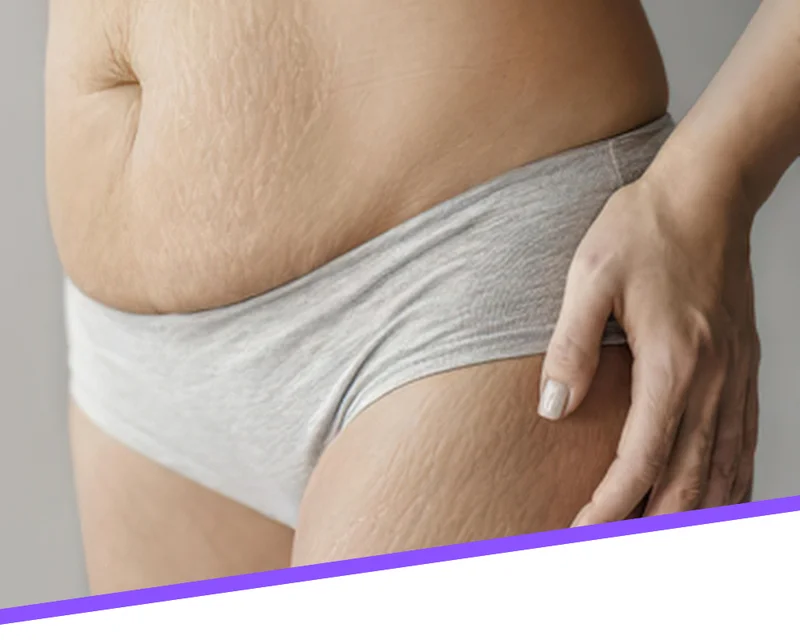
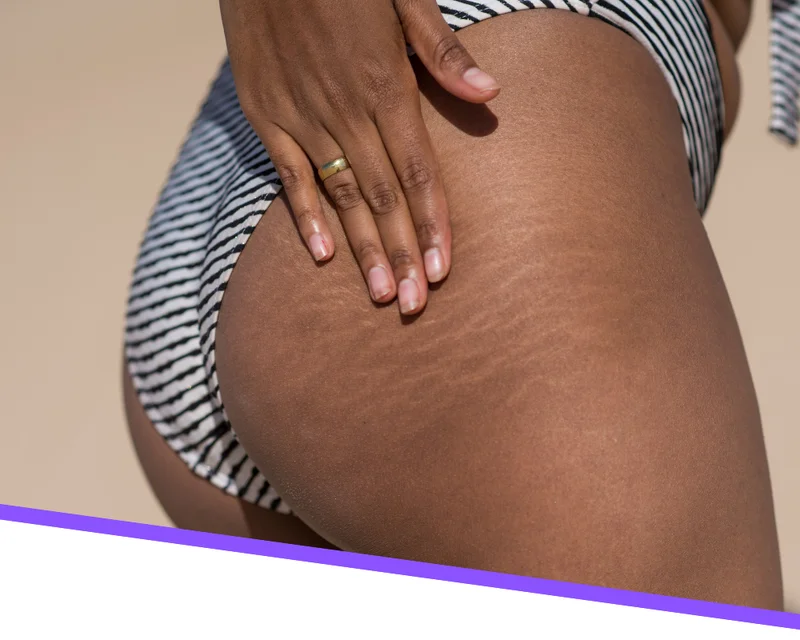
As noted by the ELSAN website, during pregnancy, the at-risk areas of the body are the belly, of course, but also the breasts, buttocks, and thighs. Many forget the hips, lower back, and the back of the arms. Ameli
Include all these areas in your routine, not just the belly.
Starting as Early as the First Trimester is Crucial
This is the advice that all midwives emphasize. As Rivadouce indicates, to limit the appearance of pregnancy stretch marks, it is strongly recommended to take care of your skin as soon as possible after the announcement of the good news, that is, from the first trimester of pregnancy. Heloa
Why so early? Because the skin needs time to prepare for the stretching to come. The earlier you start, the more elastic it will be when the pressure increases.
The Anti-Stretch Mark Ritual Morning and Evening


Here’s the ideal, simple, and effective routine:
In the morning: apply a nourishing vegetable oil (sweet almond, argan, jojoba, calendula) or a stretch mark cream on the at-risk areas.
In the evening: after your shower, apply the same but with a real 5-minute massage using the kneading technique.
As explained by Omum, it’s ideal to perform daily, or even morning and evening, a massage of the areas prone to stretch marks: on your belly, buttocks, hips, and legs. Blédina
The Kneading Technique, the Gesture That Makes a Difference
This is THE technique that changes everything. Here’s how to do it, step by step:
- Generously apply your oil or cream
- Gently pinch the skin between your thumb and index finger
- Roll this small fold of skin under your fingers, from bottom to top
- Continue the movement over the entire area for 2 to 3 minutes per area
- Finish with large soothing circular movements
⚠️ Caution: on the belly, be very gentle. From the 4th month, avoid applying too much pressure. Favor gentle circular movements rather than intense kneading.
Which Products to Choose for Your Pregnant Body?
Let’s be honest: the Cochrane study states that there is no reliable evidence supporting the use of any topical preparation to prevent stretch marks during pregnancy. No scientifically validated miracle product exists. CAF
BUT, the application routine itself (massage + regular hydration) really helps. Here’s what works well:
Natural Vegetable Oils
- Sweet almond oil (the most versatile)
- Argan oil (very nourishing)
- Rosehip oil (promotes regeneration)
- Jojoba oil (close to natural sebum)
- Unrefined shea butter
Specific Pregnancy Creams
- Mustela (proven French references)
- Weleda (recognized organic range)
- Bio Oil (good reputation despite the lack of strong scientific evidence)
- Omum (French organic brand)
- Rivadouce (stretch mark dedicated range)
⚠️ To avoid during pregnancy: essential oils (unless medical advice), retinoids, salicylic acid, fragrances.
7 Other Gestures That Boost Effectiveness
Beyond products, here are the habits that truly make a difference:
1. Drink Plenty of Water


Omum emphasizes: water is necessary to cleanse your body, but also to strengthen your cells. Indeed, good overall hydration ensures satisfactory skin hydration. So, in your fight to avoid pregnancy stretch marks: drink as much as possible! Blédina
Aim for 1.5 to 2L per day, more during heatwaves when you need to drink more.
2. Exfoliate Gently Once a Week

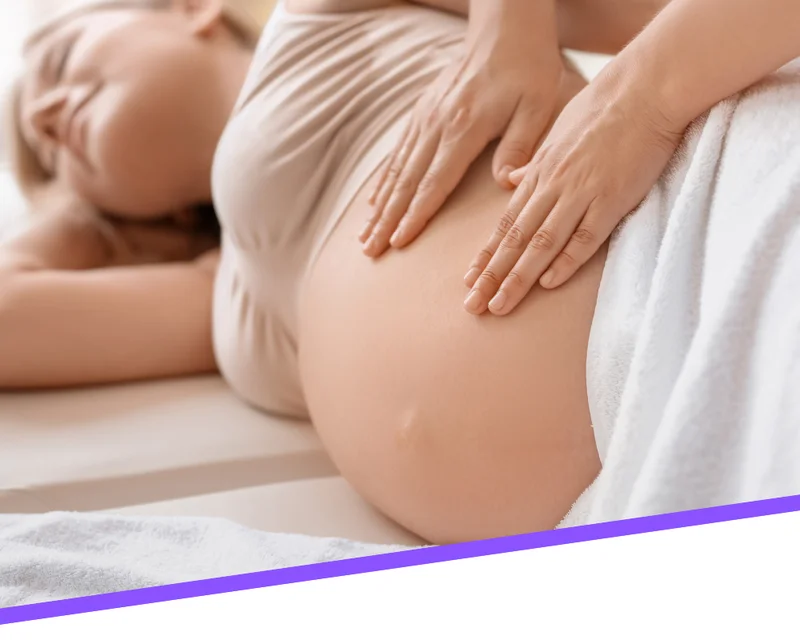
A gentle scrub activates microcirculation and promotes cell regeneration. Prefer fine sugar scrubs or konjac sponges rather than chemical exfoliants.
3. Move Regularly
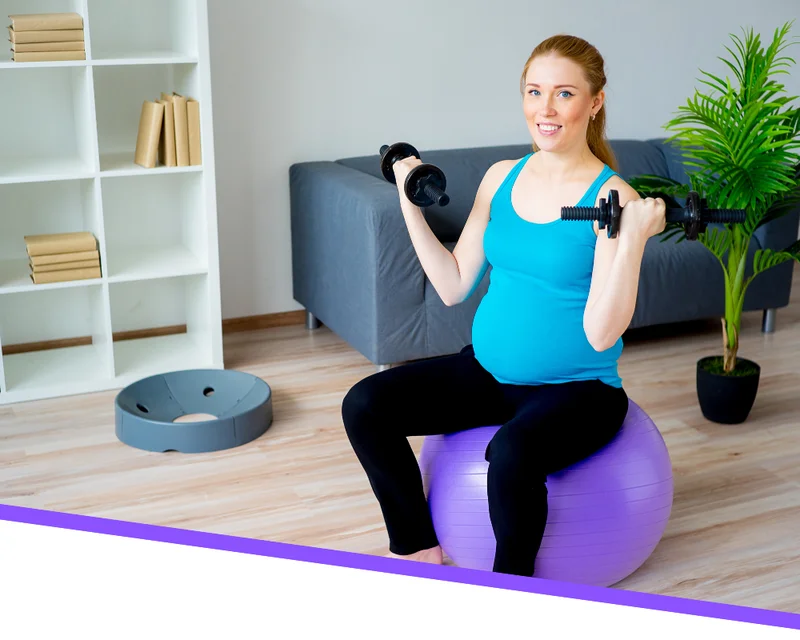
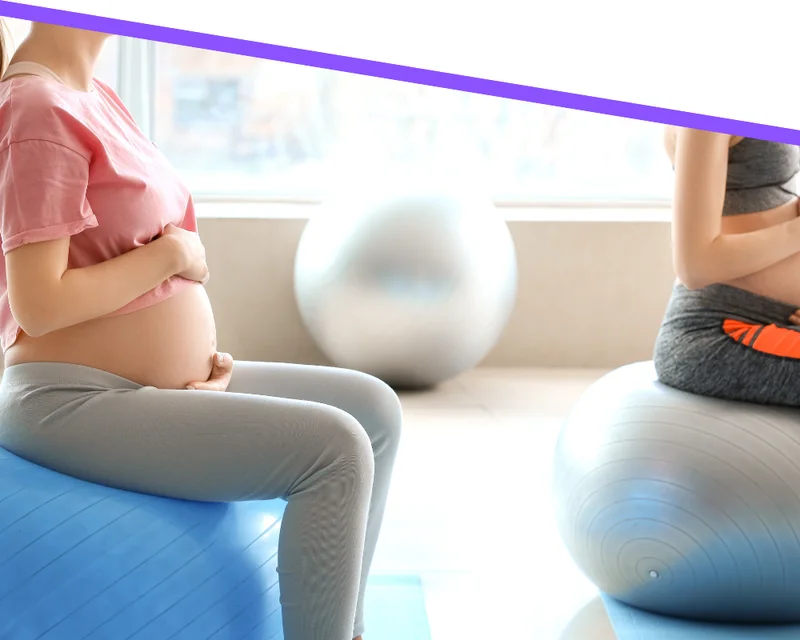
Aroma-Zone confirms: maintaining regular moderate physical activity can promote blood circulation, improve skin elasticity, and reduce the risk of stretch marks. Walking, swimming, prenatal yoga: everything is good. Ameli
4. Eat Foods Rich in Collagen and Vitamin C


Red fruits, citrus fruits, kiwi, eggs, fish, pumpkin seeds are your allies for nourishing your skin from the inside.
5. Avoid Hot Showers


Very hot water dries out the skin and weakens it. Prefer lukewarm water and finish your shower with a cold water jet on at-risk areas to stimulate circulation.
6. Wear Supportive Clothing for the Belly


A maternity belt or fitted but not too tight maternity clothes reduce the tension on the skin of the belly.
7. Limit Stress


Cortisol (the stress hormone) weakens the skin. Meditation, sophrology, heart coherence breathing: take care of your mental health.
Other Transformations of the Pregnant Woman's Body to Anticipate
Beyond stretch marks and weight gain, here are other common changes and how to anticipate them.
The Pregnancy Mask (Melasma)


This brown pigmentation on the face affects 50 to 70% of pregnant women. To prevent it:
- Sunscreen SPF 50+ every day, even in winter, ...