
Embracing the Post-Motherhood Body: A Journey to Fitness
Exploring the journey of motherhood and the changes in the body, this article highlights the importance of movement and strength training for women, especially after 40.
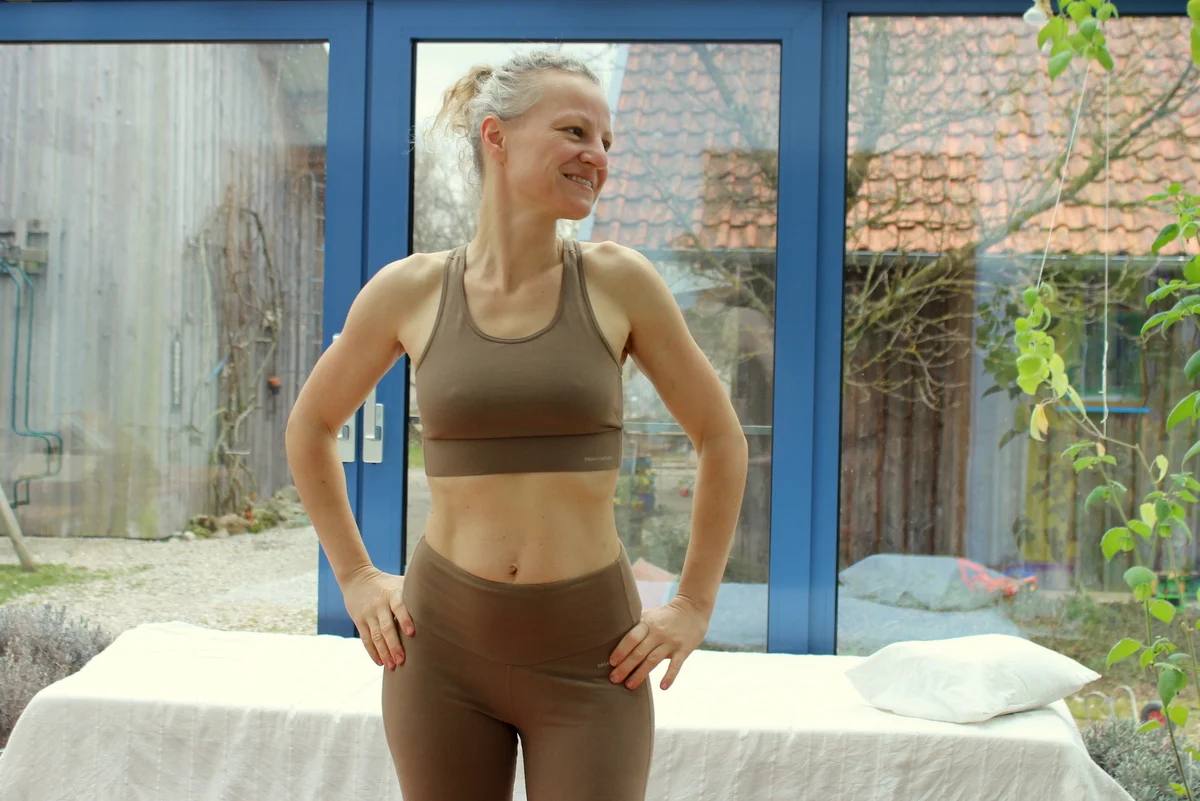
As the journey of motherhood unfolds, many women find themselves navigating not only the joys of raising children but also the changes in their bodies. Today, I want to share my experience focusing on a vital aspect of our health: movement.
My Life Before 40
Throughout my life, I have never been particularly fond of sports. In school, it always seemed that I had a headache on gym days, forgot my sports gear, or was dealing with other excuses that allowed me to avoid physical activity. As I progressed through school, I became adept at crafting excuses, especially as we were allowed to write our own notes for absences. I lacked coordination and found exertion to be anything but enjoyable.
While activities like strength training, gym workouts, cycling, and swimming were manageable, the moment things became strenuous, my enthusiasm waned.
For most of my life, I maintained a good figure, especially a flat stomach. However, during my university years, I experienced a sudden weight gain, reaching 73 kg at 169 cm tall, which was over 10 kg more than my current weight. This change left me feeling uncomfortable and confused, as I hadn’t altered my eating habits significantly. Accepting this new reality was not an option, prompting me to engage in exercise.
With determination, I shed the extra weight within a few months and felt fit again. However, shortly after, I faced a chronic illness that shifted my focus from weight gain to nutritional deficiencies.
In retrospect, I understand now that hormonal changes played a role in my body’s fluctuations. It was my body’s attempt to stabilize an imbalance, as fat cells produce hormones. But that’s a discussion for another time.
In short, I was typically unathletic yet relatively slim—before having children.
The New Mama Body
At 29, I became pregnant for the first time and gained 17 kg, which I lost again without much hassle. Following this, I had a second pregnancy and then a third at 36. The weight loss post-pregnancy was always manageable until I noticed a persistent change: a belly that no longer remained flat, looser skin, and increasingly fluctuating hormones.
As I approached my 40s, I found myself growing increasingly dissatisfied with how I looked and felt. I accepted my hormonal changes, but the more I felt out of shape, the more my self-esteem waned. An inner voice kept telling me that this was just part of aging, but months later, I would tell that voice to be quiet.
Time for Muscles: The Push-Up Challenge
Then, my best friend suggested we start a daily push-up challenge. Initially, I couldn’t even perform a single push-up, but somehow, he managed to motivate me. I began with knee push-ups and struggled to complete ten, feeling as though I had just undergone an intense workout. We encouraged each other daily, and I gradually progressed to being able to do three, then four, and eventually 10-15 push-ups at a time. I felt proud of my achievements.
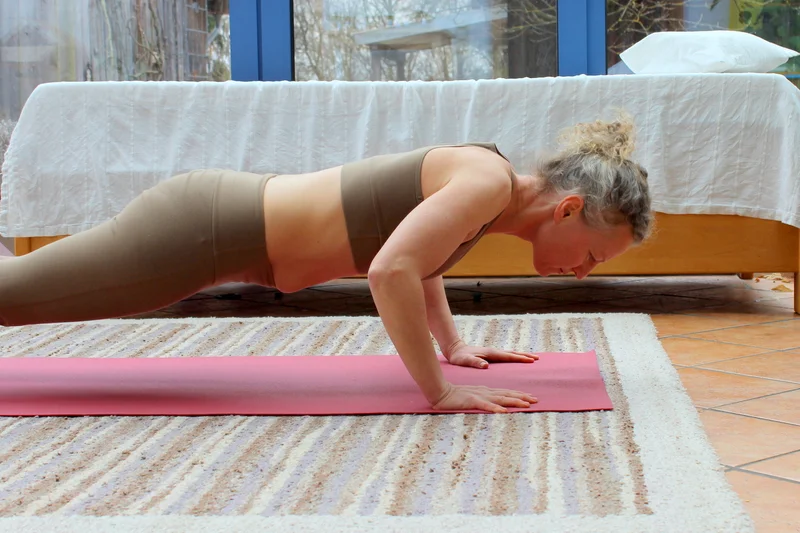
However, after a few weeks, I started experiencing discomfort in my abdomen. I paused, but the next day I resumed. After three rounds of push-ups, I realized I was dealing with diastasis recti, a condition where the abdominal muscles don’t properly reconnect. I decided to stop the push-ups and sought a physiotherapy prescription. I was prescribed ten sessions, each lasting 20 minutes.
I was surprised at how effective this treatment would be!
The physiotherapist assessed my muscles and suggested that while we might not completely close the gap, we could certainly stabilize the muscles enough for me to train normally. I committed to the exercises almost daily, and within weeks, my abdominal condition improved significantly.
I realized I had unconsciously let go of my core strength. It was a revelation when I regained that feeling of tension in my abdomen, which I hadn’t even noticed was missing. For years, I had allowed my belly to sag, as my muscles had weakened over time. It felt uncomfortable and looked unappealing.
Now that my core strength has returned, not only does it feel better, but it also looks much more appealing. This positive change has motivated me to continue my fitness journey. I have acquired weights, a kettlebell, an exercise ball, and even a pull-up bar for abdominal workouts (so far, I can manage a single pull-up, but I’m hopeful for more).
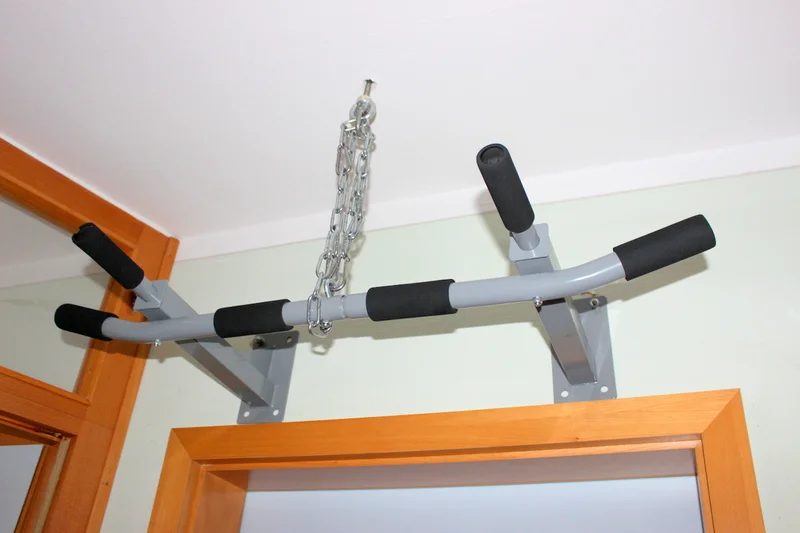
I can work out at home while my three-year-old plays. I can squeeze in exercises while waiting for dough to rise or water to boil. I no longer face time constraints or lack of motivation.
Movement and Hormones
Now, we come full circle: Who would have thought that strength training is incredibly important for women over 40, and especially those over 50, to maintain hormonal balance? I’ve found that my improved mood is not solely due to a healthier, protein-rich diet but also thanks to my training.
Conversely, my mood can also impact my hormonal state. When I look in the mirror and finally feel comfortable in my body again, it provides an additional hormonal boost.
In less than three months, I have managed to rise from a low point and now approach each day with renewed joy and energy.