Body Confidence Postpartum: The Difficult Journey No One Talks About
Regaining confidence in your postpartum body is one of the most silent and painful challenges of motherhood. No one really warns us about it.
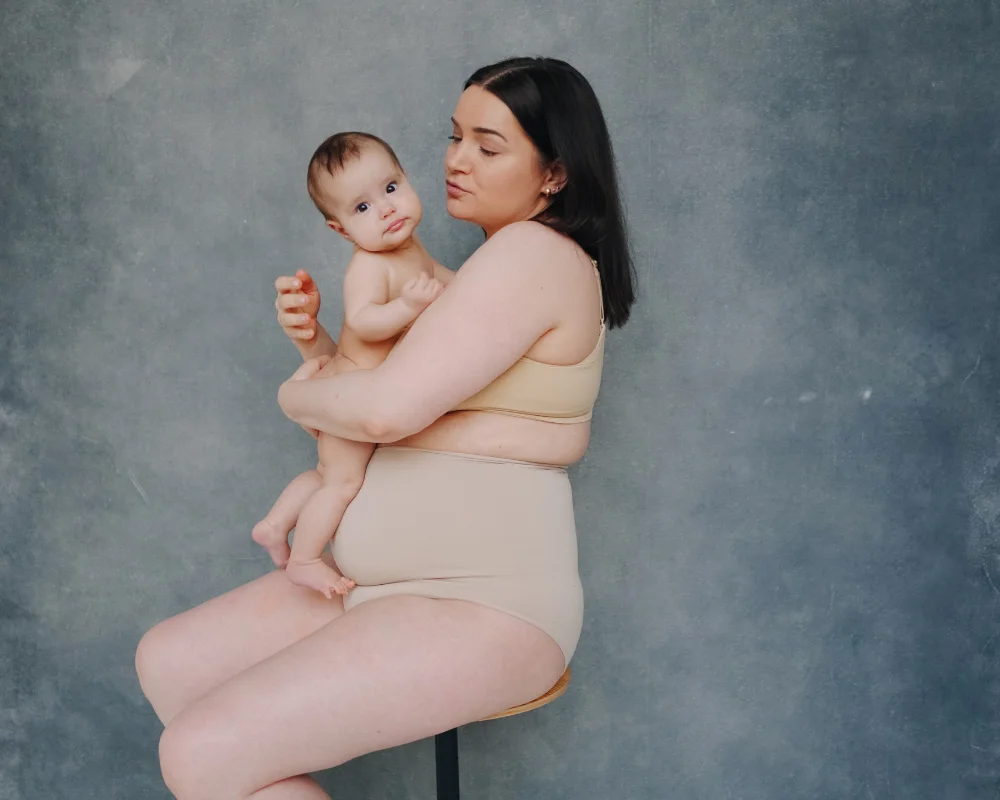
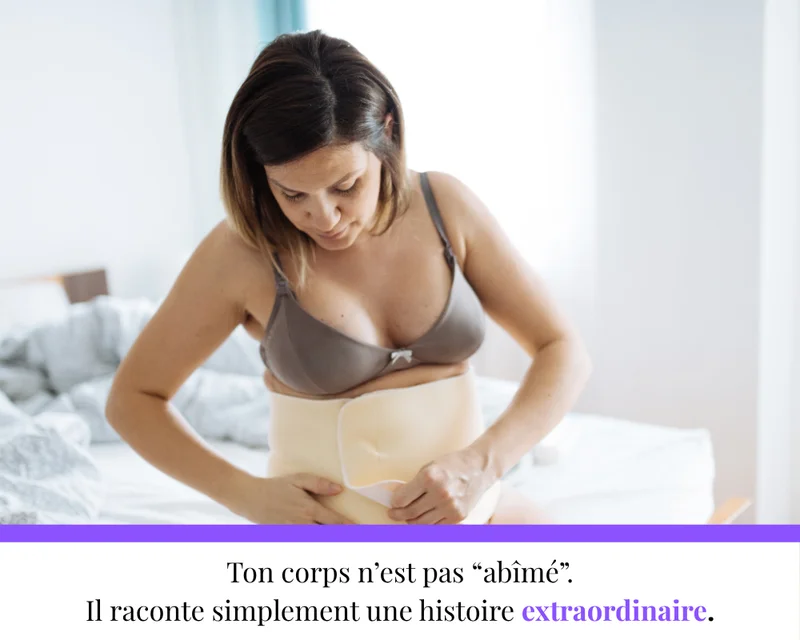
Regaining confidence in your postpartum body is undoubtedly one of the most silent and painful challenges of motherhood. No one really warns us. We hear about sleepless nights, colic, and difficult breastfeeding. But that moment when you find yourself in front of the mirror, a few days or weeks after giving birth, and you no longer recognize the woman staring back at you — that’s something we don’t talk about enough.
If you’re reading these lines with a lump in your throat, know that you are not alone. Thousands of women are going through exactly what you are experiencing right now. And this journey, no matter how long and chaotic it may be, leads somewhere.
Why Is It So Difficult to Regain Confidence in Your Postpartum Body?
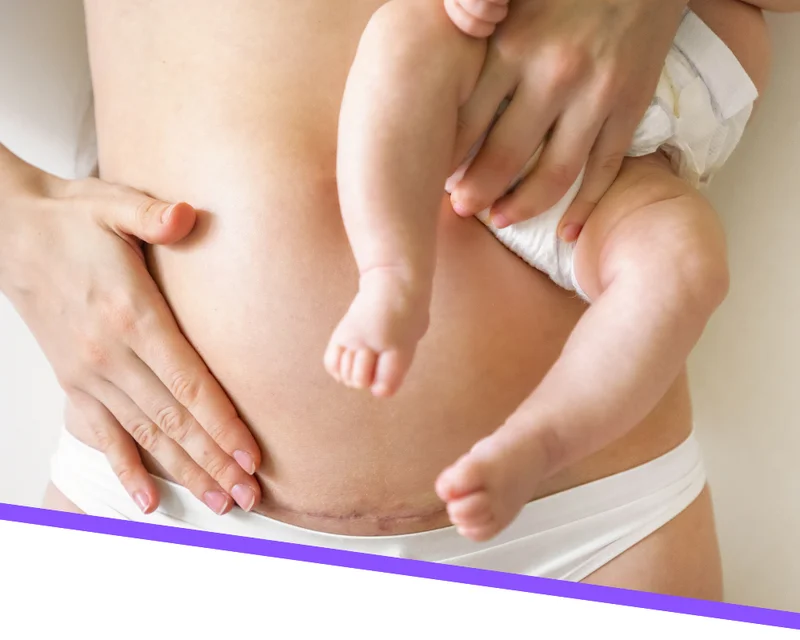
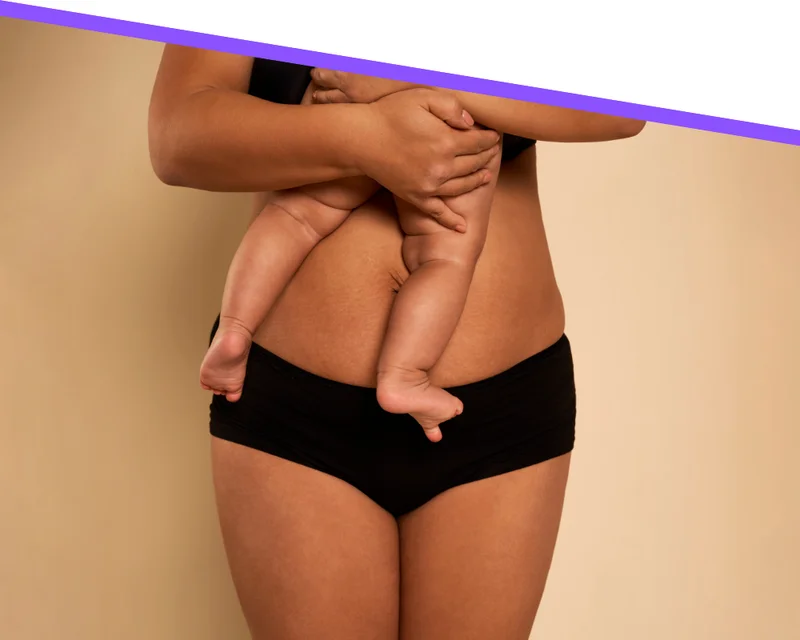
There’s something we often forget to tell new moms: your body has done something extraordinary. It has created a human being. It has stretched, transformed, and opened up to give life. And now, we expect it to "return to normal" in just a few weeks, as if nothing has happened.
As Maman Vogue rightly points out, after having a baby, the body is changed. It has undergone many weight fluctuations in a short time. Pregnancy can leave scars. Stretch marks, a softer belly than before. And beyond the physical, your entire identity is shaken. Maman Vogue
That Feeling of Becoming a Stranger to Yourself
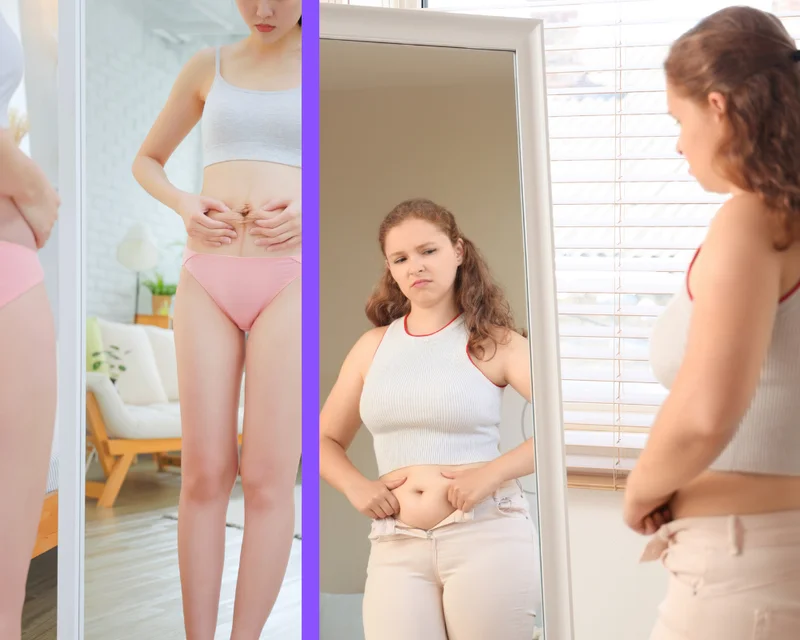
You wake up in the morning, pass by the mirror, and it’s as if you’re encountering someone else. Your breasts are no longer the same. Your belly bears the marks of those nine months. Your hips have taken on a new shape. Your hair falls out in clumps. Your skin has sometimes changed.
The Maman Vogue website perfectly summarizes this feeling by explaining that all these upheavals can lead to a lack of self-confidence. A new status (that of a mother), a new body, the responsibility of this little being completely dependent on you. All of this combined with the fatigue from childbirth and pregnancy. One can feel less like a woman and too much like a mother. Maman Vogue
This phrase, "less woman and too much mother," touches on something very deep. Because becoming a mom shouldn’t mean disappearing as a woman. And yet, that’s often how we feel in the first months.
The Invisible Pressure on New Moms
Let’s be honest: society doesn’t help us. We scroll through Instagram and see influencers who "have regained their figure" three weeks after giving birth. We hear well-meaning but hurtful remarks: "When are you getting back to exercising?", "You’re not losing those pounds quickly, are you?", "Breastfeeding helps you lose weight, at least."
This pressure exists. It’s everywhere. And it silently eats away at you while you try to manage a newborn, chronic sleep deprivation, and hormones that are all over the place.
What Social Media Never Shows You

What these perfect images hide is:
- The hours of personal training that few moms can afford
- The filters and photo retouching
- Bodies that genetically have an easier time changing
- The weeks spent crying in front of the mirror before the "before-after photo"
- The psychological pressure to appear "back in shape" to exist socially
Comparing yourself to these images is comparing yourself to a fiction. And that’s the first thing you need to unlearn to move forward.
Postpartum: The Fourth Trimester No One Talks About
As Femme Magazine beautifully explains, postpartum is the fourth trimester of pregnancy: a period where the body, mind, and heart readjust after birth. It’s not a week or a month. It’s not a mere parenthesis. Femme Magazine
The average duration is 6 to 12 weeks, but sometimes longer depending on physical and psychological recovery. And this figure only concerns the acute phase. Truly regaining confidence in your body is a process that can take months or even years. Femme Magazine
The Emotions That Surge in This Inner Chaos
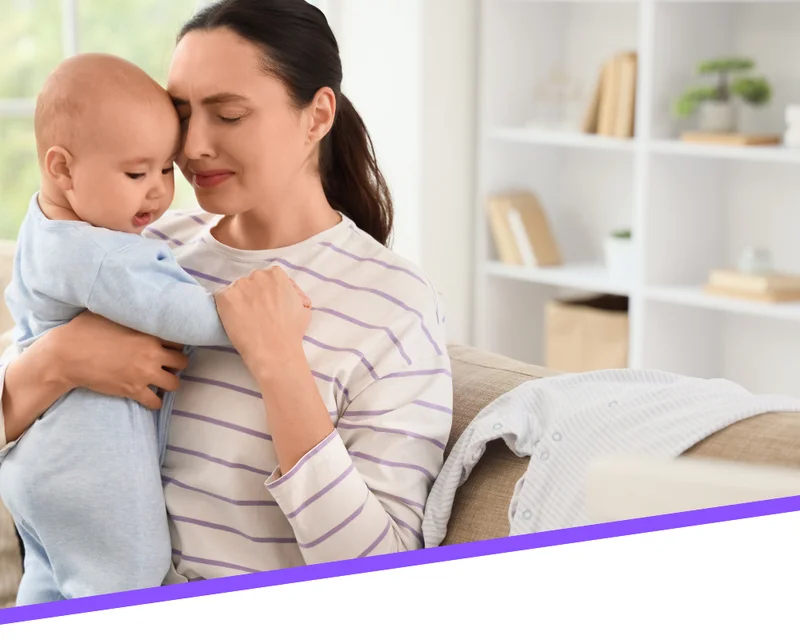
A mom shared her experience on Journal Jolibump with disarming honesty: "The next morning, I was bewildered by how hard it was to get up and the unknown sensations that overwhelmed me… The first two days of my postpartum were extremely painful. It’s still difficult today to find the exact words for these intense and unique emotions and sensations." Journal Jolibump
This difficulty in articulating what we’re experiencing is universal. You are not crazy. You are not weak. You are going through something immense.
How to Regain Confidence in Your Postpartum Body, Step by Step
There’s no miracle recipe, and anyone who promises you otherwise is lying. But there is a path, made of small steps, that can help you reconcile with this body that has given so much.
Step One: Change Your Perspective on Your Body
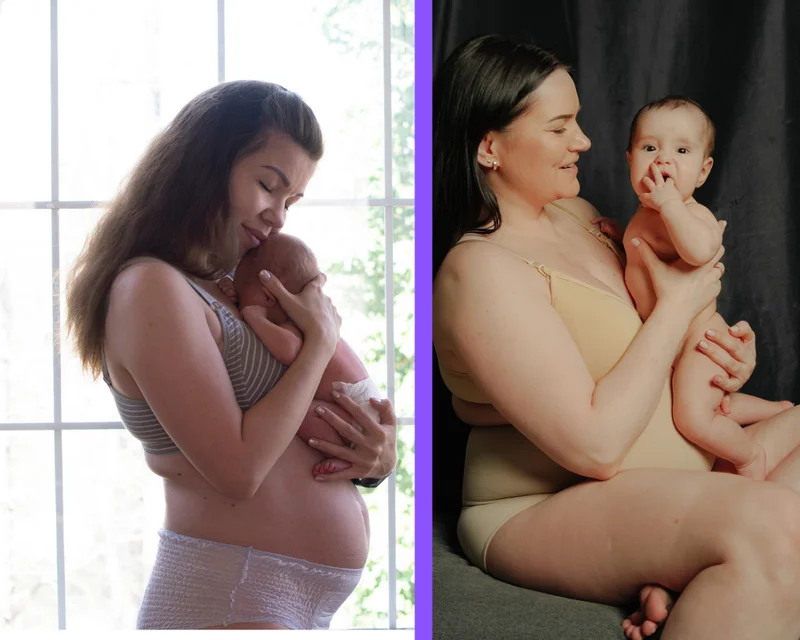
First and foremost, you must understand that your body has not "failed." It has achieved something extraordinary. Stretch marks are not flaws; they are marks of passage. A soft belly is not a shame; it’s the trace of a life that grew there.
The Lexel Cosmétiques blog puts it very well: this difference is not a flaw, but a natural and remarkable evolution. The postpartum body is no longer just a body; it is the visible witness of an exceptional journey, that of having given life. Lexelcosmetiques
This change in perspective doesn’t happen overnight. But start by telling yourself every morning, in front of the mirror, one simple phrase: "Thank you, my body." Even if you don’t believe it at first. Especially if you don’t believe it at first.
Step Two: Take Care of Yourself Without Performance Pressure
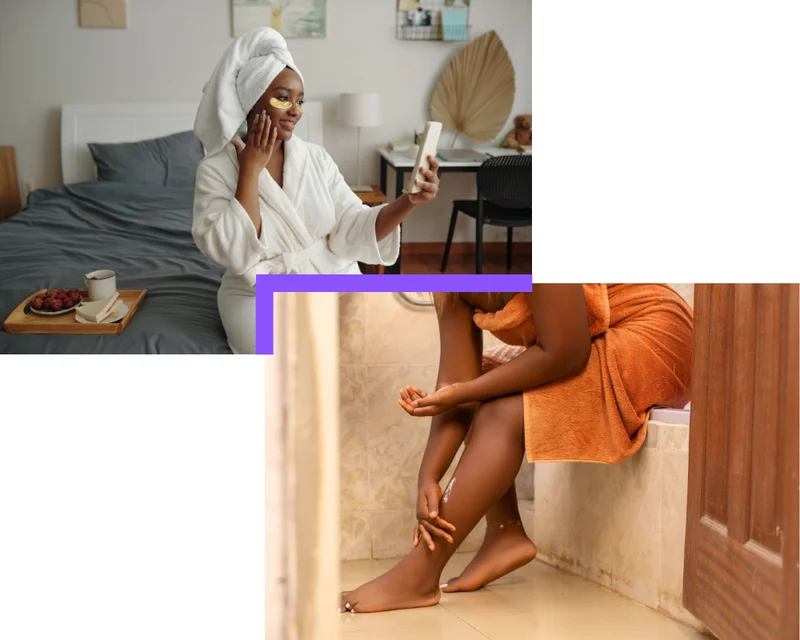
Taking care of your body is not punishing it for having changed. It’s saying thank you.
A mom shared on Jolibump: "I take the time to wash myself every day, put on makeup, oil my body, and go to the hairdresser. Letting go: abs can wait, everything passes, even baby’s cries, this state doesn’t last." Journal Jolibump
Concretely, this means:
- Showering every day, even quickly
- Moisturizing your skin with an oil you love
- Wearing clothes that make you feel good (and especially not your old maternity clothes!)
- Doing your hair, putting on makeup if it makes you feel good
- Giving yourself five minutes just for you
Step Three: Move Your Body Gently
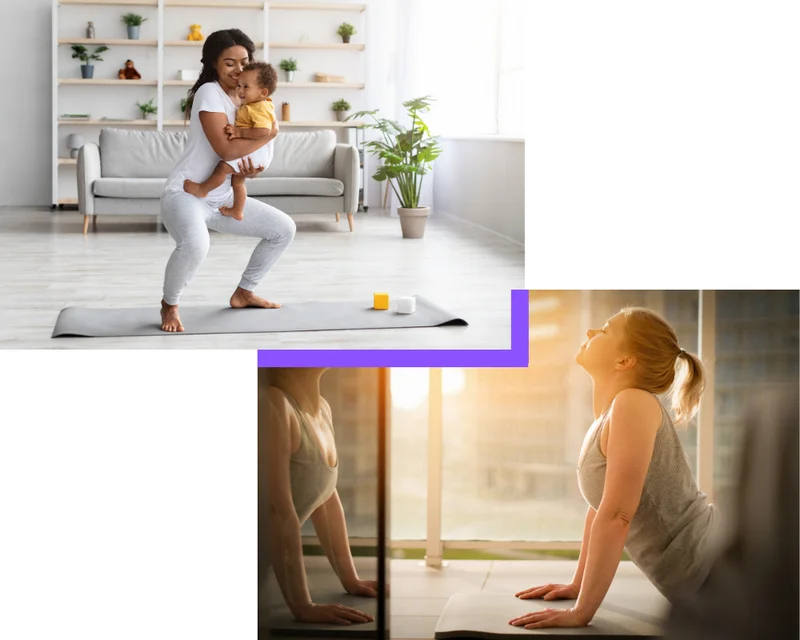
Resuming physical activity postpartum is not about rushing to "lose the pounds." It’s about reconnecting with the body that sometimes feels like it no longer belongs to you.
As Lexel Cosmétiques reminds us, postpartum is a time when mental and physical fatigue is very real, which is why the chosen activities should be gentle and respectful. Disciplines like brisk walking, postnatal yoga, swimming, or pilates adapted for new moms strengthen physical tone while promoting mental well-being. Lexelcosmetiques
Important: Before resuming any sports activity, do your pelvic floor rehabilitation. This is non-negotiable. Skipping this step risks urinary incontinence, organ prolapse, and chronic pain. You are entitled to 10 sessions fully reimbursed by Social Security.
Step Four: Rebuild Your Identity Beyond the Role of Mother


This may be the most important step. Femme Magazine expresses it accurately: regaining confidence also means rediscovering your identity outside of the role of mother. Reading, writing, going out alone, reconnecting with friends, rekindling your creativity… all these acts nourish the woman you still are. These simple gestures are powerful anchors. Femme Magazine
You are a mom, yes. But you are also that woman who loves a certain book, who laughs with her friends, who has passions, dreams, and a story. Don’t let those parts of you disappear.
When to Seek Help to Regain Confidence in Your Postpartum Body

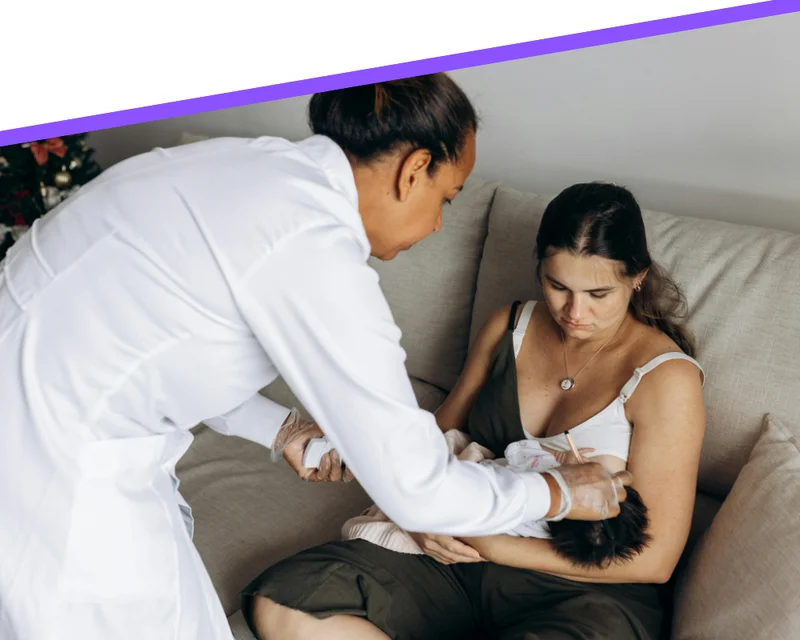
There’s a difference between going through a tough time and sinking into something deeper. Postpartum depression affects between 10 and 20% of mothers according to Santé publique France. And it can manifest as self-rejection, body hatred, or a total feeling of incapacity.
If you recognize yourself in these signs:
- You cry several times a day for more than two weeks
- You feel deeply disgusted by your body
- You avoid mirrors, photos, intimacy with your partner
- You have dark thoughts, even suicidal ones
- You feel incapable of taking care of yourself or your baby
Talk to your midwife, your doctor, or a psychologist. The Maman Blues association specifically supports mothers in difficulty. And in case of great distress, 3114 is the national suicide prevention hotline, available 24/7, free of charge.
Asking for help is not a weakness. It’s exactly the opposite.
This Body That Has Given Everything Deserves Your Tenderness

Regaining confidence in your postpartum body is a journey. Not a straight line. There will be days when you feel beautiful and powerful. And others when you cry in the bathroom while looking at your belly in the mirror. That’s normal. It’s human. It’s even part of the invisible contract of motherhood.
What I want you to remember is this: your body doesn’t have to go back to "how it was before." Because before, it hadn’t yet performed this miracle. Before, it didn’t know it was capable of all this. Your postpartum body is a body that has lived, loved, and given. And it deserves so much more than your disdain or anger.
Be patient with it. Be gentle with yourself. Talk to that woman in the mirror as you would to your best friend. And give yourself the right to take all the time you need.
And you, where are you on this journey of reconciliation with your body? What was your trigger, your biggest struggle, your most beautiful step forward? Share your story in the comments; it might help another mom who feels alone tonight 💗