Support for Parenting: What the HCFEA Report Changes in 2026
The support for parenting is finally at the heart of a major official report that could transform the daily lives of all young mothers in France. Discover the key recommendations and how they can benefit you.
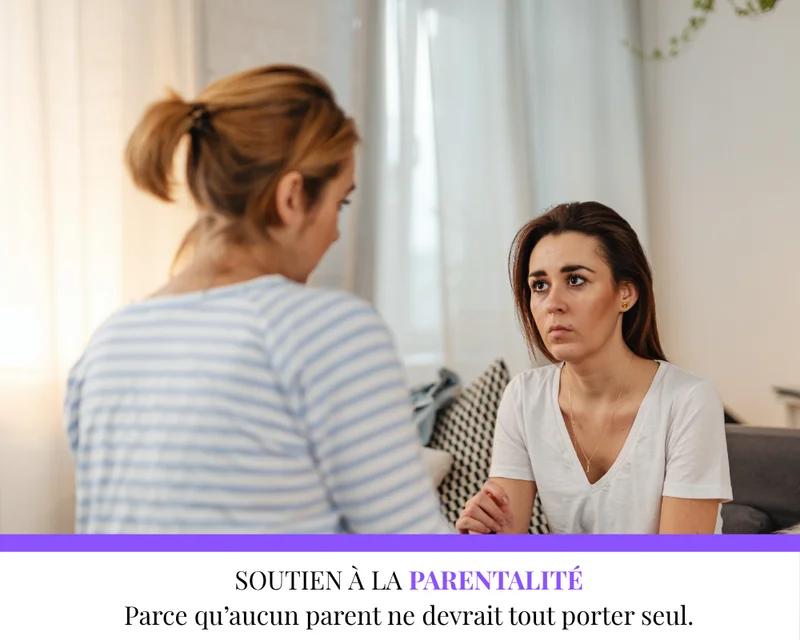
The support for parenting is finally at the heart of a major official report that could transform the daily lives of all young mothers in France. On May 7, 2026, the High Council for Family, Childhood and Age (HCFEA) submitted a 100-page document with 20 concrete recommendations to the Minister of Families to better support us, the parents who often struggle in silence.
If you are wondering what this means for you, how you could benefit, and why it is a real advancement for young French parents, this article is for you. We will break down together the most important measures, without administrative jargon, focusing on what can really change your daily life as a mother.
What exactly is this report on parenting support?
Before diving into the details, let's lay the groundwork. The HCFEA is an official French body that advises the government on everything related to family, childhood, and parenting. This report was commissioned to address a real urgency: today, many parents feel judged, poorly supported, or simply alone in facing daily challenges.
As explained by the specialized magazine Actualités Sociales Hebdomadaires, "Helping parents help children grow." Thus is titled the report from the High Council for Family, Childhood and Age (HCFEA) published on May 7, 2026. The document revisits the growing inequalities between children and their increasingly questioned place in society. Info.gouv.fr
The title says it all: helping parents help children. Not to moralize them. Not to dictate how to do it. Just to give them the tools, resources, and support they need to thrive in their role.
Parenting support without judgment: the philosophy of the report
This is probably the most important novelty of this report. As highlighted by the Banque des Territoires, which relayed the information, the HCFEA advocates for "support without injunction or judgment" towards all parents who need it. Ameli
This phrase may seem trivial, but it is revolutionary. How many times have we felt judged by a PMI because we asked a "silly" question? How many times have we avoided calling the midwife because we were afraid of being seen as a bad mother? This report officially recognizes that support should be benevolent, not guilt-inducing.
Why a new report on parenting support in 2026?

France has millions of families, yet the current system of parenting support shows its limits. Structures exist but are poorly known, underfunded, or difficult to access.
The Banque des Territoires specifies the context: the report proposes an analysis of the public support provided to parents in exercising their "parenthood," from the Listening, Support, and Parenting Assistance Networks (Réaap) established in 1999 to the national charter. Ameli
In short, this system has existed for over 25 years, but it needs a serious overhaul to meet new challenges: increasing single-parent families, maternal mental load, parental burnout, and especially the unbearable social pressure weighing on today's mothers.
The main pressures identified by the report
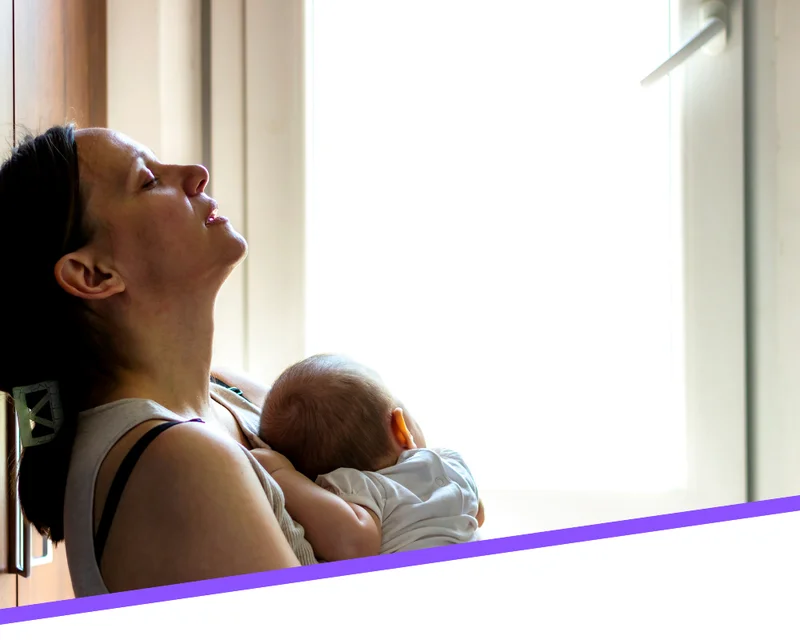
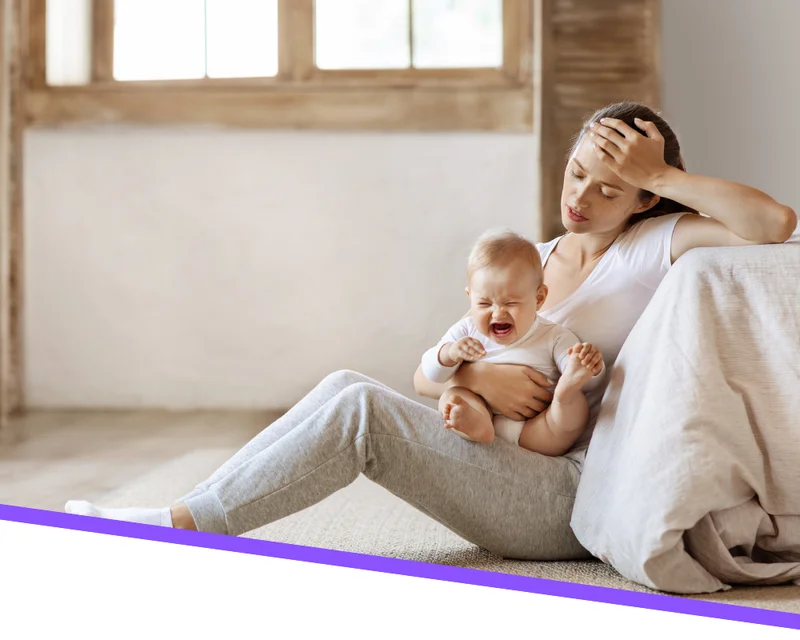
The report points out several realities that all young mothers know too well:
- The growing isolation of families, especially young parents far from their families
- The fragilization of single-parent families struggling daily without sufficient support
- Territorial inequalities: different support in cities compared to rural areas
- The lack of coordination among various stakeholders (CAF, PMI, schools, associations)
- The constant feeling of judgment experienced by parents
- The standardization of advice that does not take into account the diversity of families
The 20 key recommendations of the report to support parents
The report proposes concrete measures, organized around major themes that I summarize here. These are the measures that can truly change your daily life if implemented.
Better support for parents in everyday places
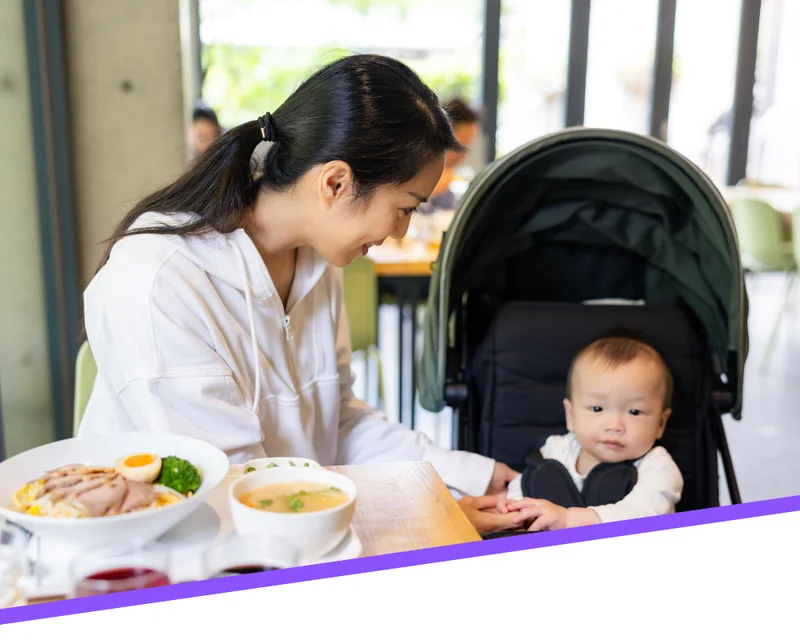
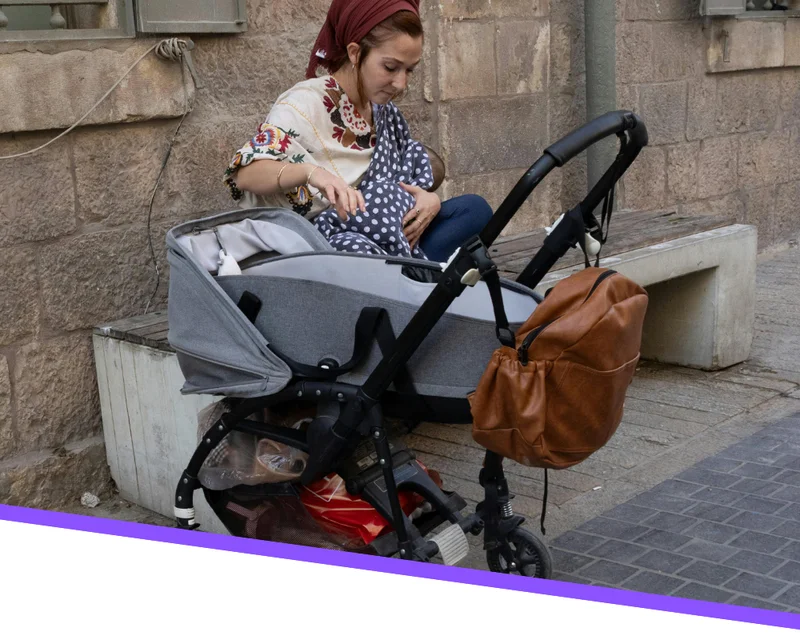
The idea is to make your life easier where you live, where you walk, where you accompany your child. Specifically, this means:
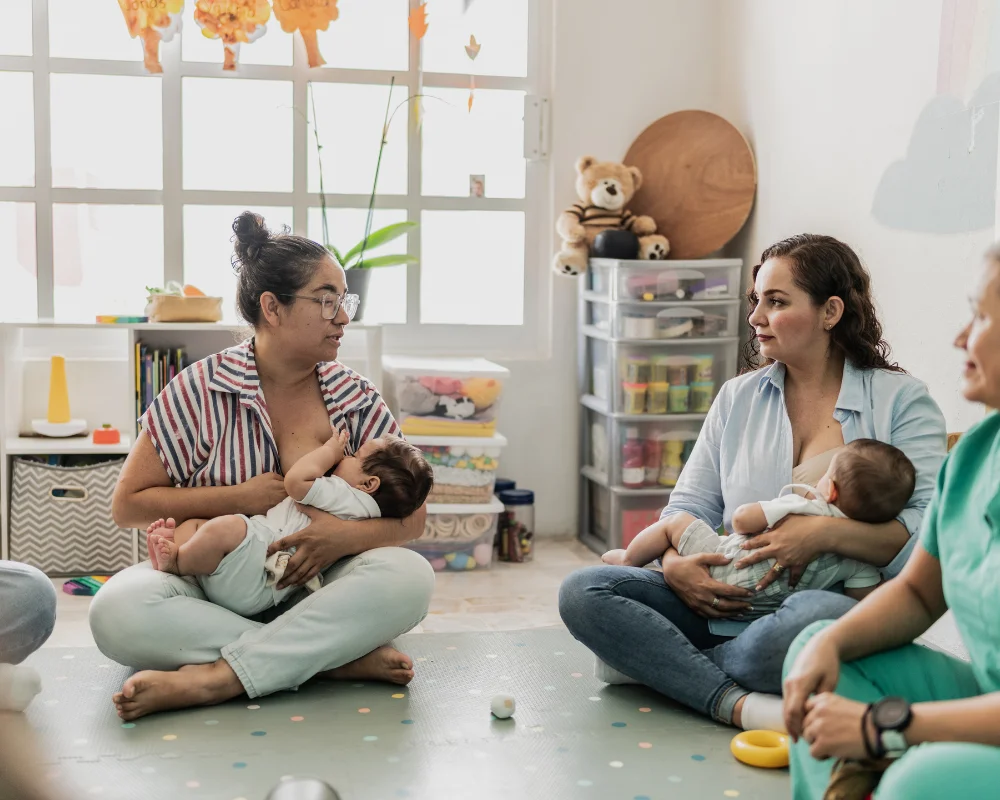
- Adapting public spaces to be suitable for young parents (changing tables in more places, breastfeeding areas, easier access for strollers)
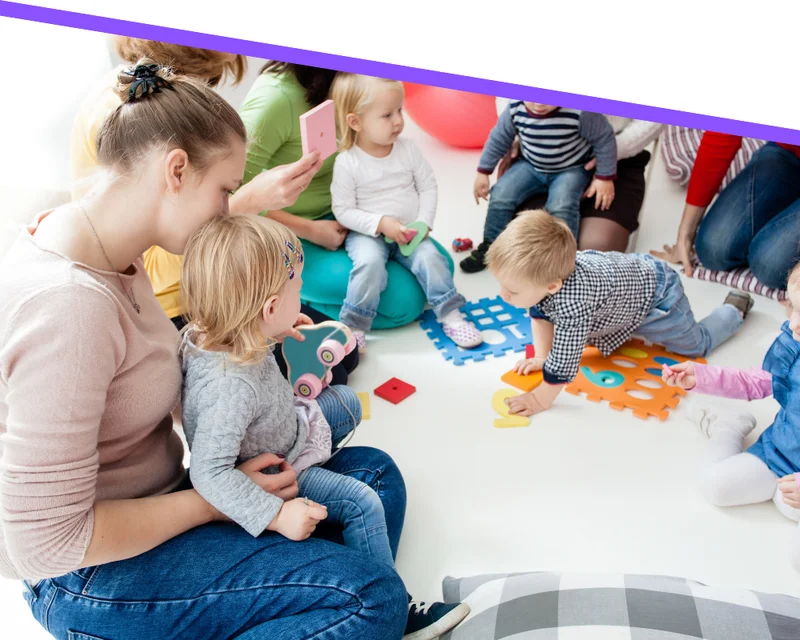
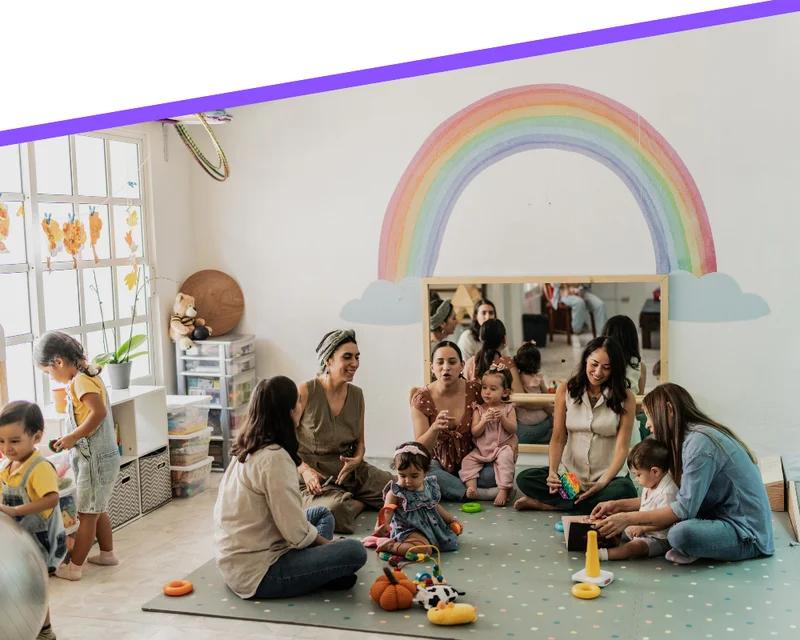
- Strengthening parent-child welcome places like LAEP (Parent-Child Welcome Places) where you can come to discuss, observe, and exchange
- Multiplying parent cafés where you can meet other moms to unwind
Sustaining the funding of associations
This is a crucial point for PFM and all the resources that help young mothers. The Banque des Territoires reports that the HCFEA calls for recognizing the "essential role" of associations, "particularly in the fields of sports, culture, and leisure to create moments and frameworks for flourishing." Ameli
Many associations that help you today (carrying associations, breastfeeding groups, baby massage workshops, postpartum support) rely on precarious funding. The report calls for their funding to be stabilized so they can continue to support you.
Support fragile families without stigmatizing them
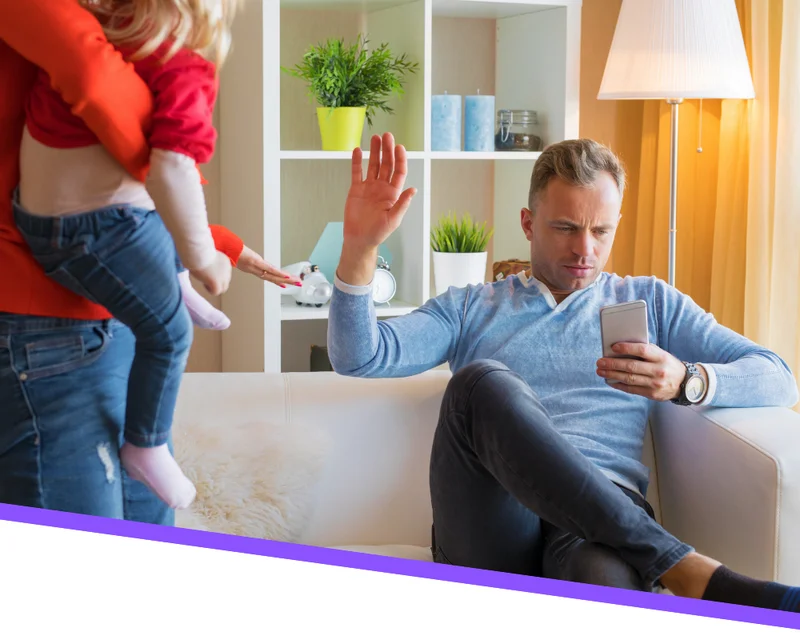
The report particularly emphasizes supporting families going through difficult times without pointing fingers. As indicated in the summary of the ASH magazine, among the recommendations is the support for parents when a return home of children placed with ASE (Child Welfare Services) is planned, to ensure it happens under the best possible conditions. Info.gouv.fr
This may seem distant if you are not concerned, but it shows a real evolution in mentality: we help families, we no longer judge them.
Recognizing parenting support as a universal right
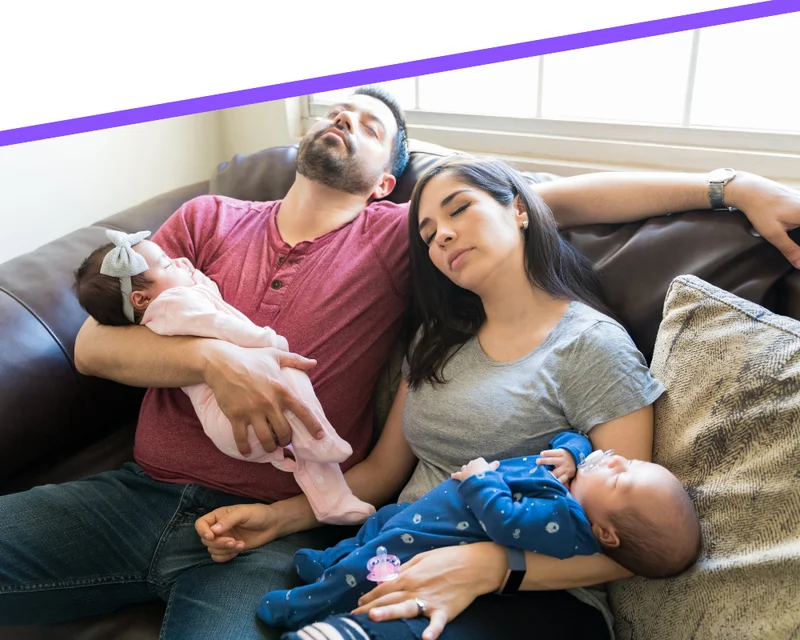

This is undoubtedly the most important measure of the report. Parenting support should no longer be reserved for "troubled" or "problematic" families. All families, even those doing well, should have free access to it.
Why? Because today, asking for help is still associated with shame or failure. The report aims to break this taboo and make parenting support as normal as going to the doctor.
How these measures can concretely help you as a young mother
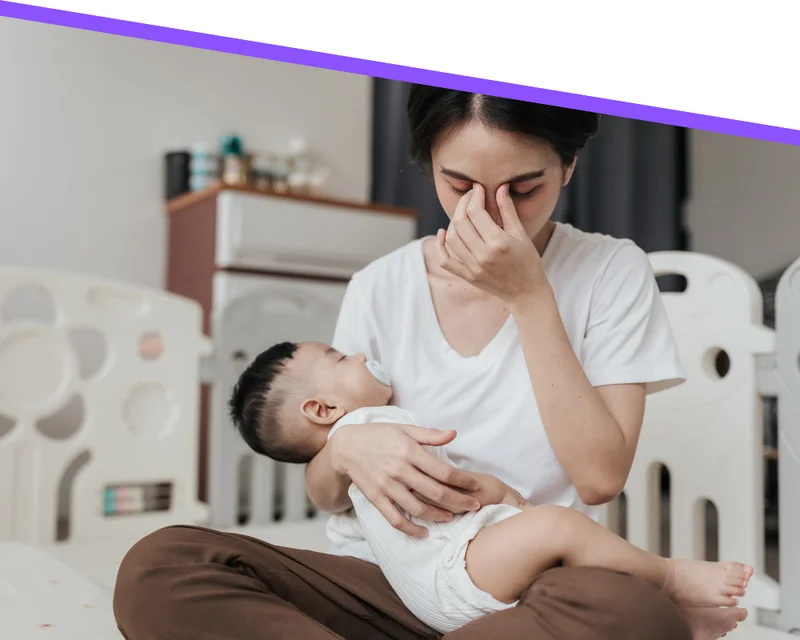
The report is ambitious, but what does it change for you tomorrow morning when you wake up with your baby crying since 5 AM?
More places to unwind and exchange

If the recommendations are implemented, you will have access to more free places where you can:
- Take a break for a few hours without having to play a role, just be a mom quietly
- Meet other young moms who are experiencing the same thing
- Ask your questions without fear of judgment from benevolent professionals
- Get out of the isolation of the first months if you have no family nearby
Better postpartum support
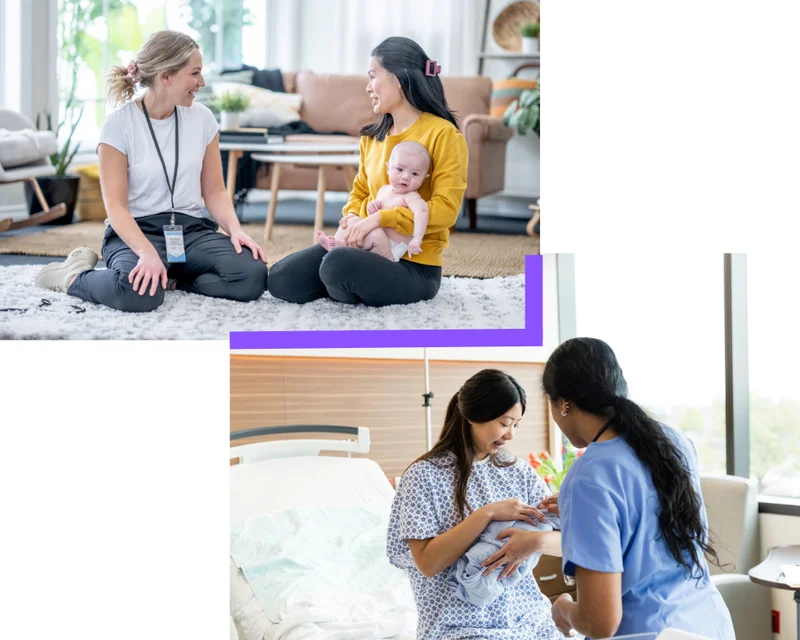
The report emphasizes the need for better support for parents in the first months of the child's life. This could translate into:
- More home visits from midwives after birth
- Better screening for postpartum depression and anxiety
- More accessible support groups across France
- Real information about existing resources (that no one knows about today)
Specific support for single moms
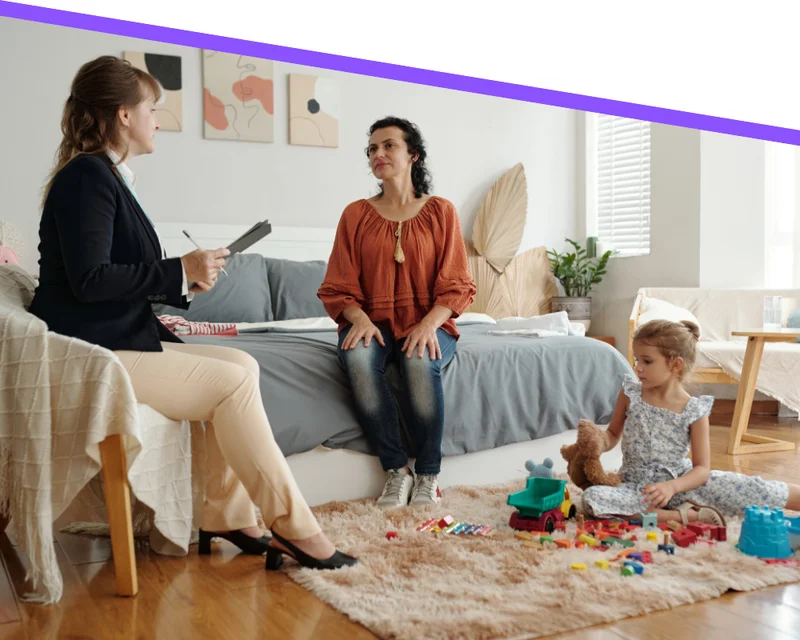
If you are raising your child alone, the report particularly concerns you. Single-parent families are identified as a priority, with concrete proposals to reduce precariousness, facilitate childcare, and offer breathing spaces.
Parenting support in the face of criticism: a still lively debate

Not everything is rosy in the world of parenting support, and the report comes amid tension. The Parenting Collective, which brings together 12 associative networks, had already alerted in 2023 about potential drifts. As the Banque des Territoires reminds us, these associations expressed concern about "a standardization of the actions proposed to parents and a commercialization of parenting support" and called on the public authorities to support non-profit associations as local entities acting – in their diversity – in favor of "quality parenting support." Ameli
In short, some stakeholders worry that parenting support will become a business with coaches selling miracle methods, rather than a true human and benevolent support.
The Minister of Families, Stéphanie Rist, responded to these concerns with a strong statement: "Respecting families does not mean rejecting knowledge." In other words, yes to benevolent support, but also with scientifically proven tools. Ameli
How to take advantage of parenting support systems right now
While waiting for the 20 recommendations of the report to be implemented (which will inevitably take time), here are the resources already available that you can use today.
Official structures to know
LAEP (Parent-Child Welcome Places) These are free, anonymous, and no-registration spaces where you can come with your child to discuss with professionals and other parents. You can find the nearest LAEP on the official CAF website (filter "Welcome Places").
Réaap (Listening, Support, and Parenting Assistance Networks) Present in all departments, they organize free workshops, conferences, and support groups on all parenting topics.
PMI (Maternal and Child Protection) Much more than a weighing center, PMIs offer free medical and psychological follow-up for children up to 6 years old and their parents.
The 1000 First Days Houses A new government initiative that brings together all useful services for young parents from pregnancy to the child's 2 years.
Free listening lines
- Allô Parents Bébé: 0 800 00 34 56 — anonymous and free listening line for all young parents
- Allô Parents en crise: 0 805 382 300 — for moments of exhaustion and breakdown
- 3919 — Domestic violence (because parenting also starts with safety)
Reliable online resources
- The official 1000 first days portal — French reference on the first months of baby
- The monenfant.fr site from CAF — to find all the structures near you
- The Maman Blues association — specialized support in maternal suffering
You are not obligated to bear everything alone
If you have read this article to the end, it is probably because you are looking for support, that you sometimes feel overwhelmed, and that you are not alone.