
Tips and Guidelines for Visiting a Newborn | Oh Mama Matrona
Learn essential tips and guidelines for visiting a newborn, prioritizing the health of the baby and the mother's recovery while setting respectful boundaries.
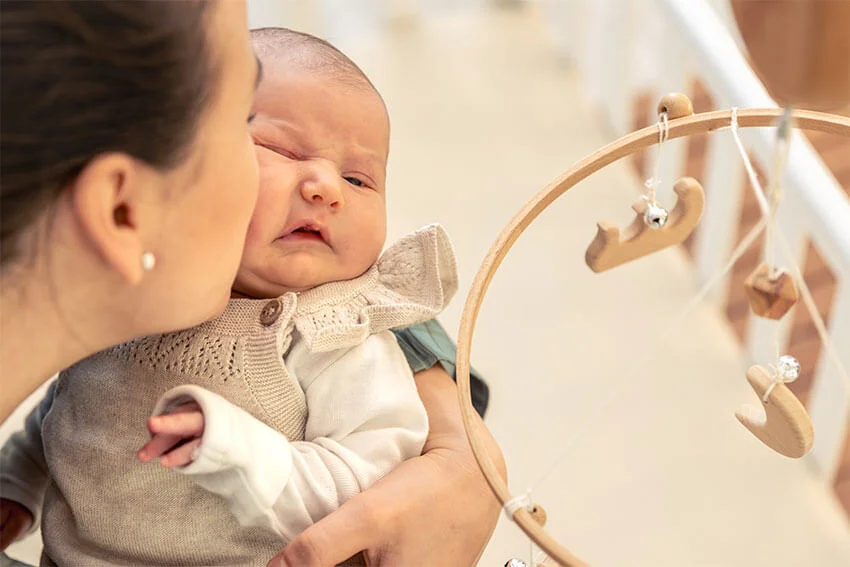
I know. They have been waiting nine months to see your baby's little face and are dying to cuddle a little one fresh out of the oven. Grandparents, uncles, cousins, friends… all with their phones charged and the "when can we go?" ready. It's understandable. But no, it doesn't mean they have a free pass.
Because visits to a newborn should be very limited. The first few days are not for social rounds; they are for bonding with the parents and adapting to a completely new reality.
At this moment, the important thing is to prioritize the baby's health and the mother's recovery above all else. And yes, I know: setting boundaries with people you care about is not easy. But you have just gone through one of the most intense experiences of your life, and now it's time to take care of yourselves. You, your baby, and at your own pace. The rest can — and should — wait.
And now seriously…
Table of Contents
- Guidelines for Visiting a Newborn in the Hospital
- Recommendations When Visiting a Newborn
- How to Manage Visits to a Newborn?
- When Setting Boundaries Can Also Be Said with Humor
Guidelines for Visiting a Newborn in the Hospital
Visits to a newborn and their mother in the hospital, clinic, or place of birth should be limited to a handful of family and friends. Only the closest ones, and always after receiving the consent of the couple who has just become parents. Just because they are grandparents or uncles does not give them a license to show up a few hours after the birth without the couple's approval.
You must keep in mind that the baby is still acclimating to life outside the womb, their immune system is very weak, and what they really need is the warmth of their mother. On the other hand, the body of the woman after giving birth needs rest, tranquility, and, of course, her baby.
Who wants to receive visitors when you are still suffering the effects of a vaginal birth (like bleeding) or when they have opened seven layers (of the abdominal area) to take out your baby in a cesarean?
It's not that “these modern parents are grumpy”; it's that they prioritize the well-being and health of the little one and their mother (even though they often receive criticism for it). Between you and me: there is absolutely nothing wrong with meeting your nephew, grandchild, or cousin a few days later in the tranquility of home or whenever the couple decides.
In recent years, it seems that the dynamic is changing and hospital visits are limited to those closest, increasingly respecting the wishes of new parents.
In addition to limiting the number of visits, you should know that there are certain things we SHOULD NOT allow when people come to see our newborn.
Recommendations When Visiting a Newborn
Perhaps what I am about to list seems the most logical thing in the world to you, but believe me, sometimes common sense is absent. Here are some tips for visiting a newborn:
- Do not show up at anyone's house unannounced; always notify before going.
- Respect if the family decides not to receive visitors.
- Do not ask to hold the baby; wait to see if the mother offers.
- Always wash your hands before touching the baby.
- Be brief; make a visit lasting between 30 and 60 minutes.
- Avoid wearing perfume if you want to hold the little one.
- Avoid smoking right before seeing the baby.
- Postpone your visit if you are sick or have a cold (for you, it's just a few sniffles; for a baby, it could mean a hospital admission for bronchiolitis).
- Do not question whether the baby eats a lot or a little (whether bottle or breast, it doesn't matter).
- Never wake the baby.
- Do not hold the baby if they are crying (most likely, only their mother will calm them).
- Ask how you can help.
- Never kiss the baby on the face, hands, or feet.
- Do not give parenting advice unless asked for your opinion.
- Respect the baby's rest times and feeding schedules.
This last point is extremely important, as during the first few weeks, it is common for sleep to be very irregular and for frequent awakenings to occur. To better understand when there may be real difficulties, you can consult these signs of sleep problems in babies.
How to Manage Visits to a Newborn?
If you have just become a mother or father and do not know how to manage the first visits, it is essential to listen to the woman's needs and prioritize her well-being and that of the baby above all.
To do this, it is advisable to set clear boundaries from the beginning. Avoid unannounced visits, those that last too long, or those that do not respect the baby's rhythms is a basic form of care.
Limiting the number of people and organizing small visiting groups helps reduce stress and protect the newborn during a particularly sensitive time.
These basic “self-care” rules should especially apply during festive times. If you had a baby in the last quarter of the year, the holidays can be quite a challenge.
But don’t worry, because canceling plans is totally legitimate. Not wanting to gather with twenty relatives in a small, unventilated space, with all the viruses circulating, is also valid. Do not force visits that you do not want or change your routines just because it’s New Year’s Eve.
Holidays will surely be different, but that doesn’t make them any less special. On the contrary, they can become a unique memory, lived in calm and intimacy.
During the postpartum period, other doubts may arise about caring for the newborn or about how you are emotionally experiencing this moment. The team of professionals at Oh Mama Matrona can accompany you through private consultations with a perinatal psychologist.
When Setting Boundaries Can Also Be Said with Humor
Talking about rules, boundaries, and visits is not always comfortable. Sometimes it generates tension, awkward silences, or that classic “nothing can be done anymore.” That’s why, in this video, our Celia Padilla puts words (and humor) to situations that many families recognize as soon as they hear them.
Because laughing a little about what happens doesn’t take away from the importance of the message, but it does make it much easier to understand and apply.
In short, even if humor is involved, if common sense does not show up, you should bring it with clear boundaries to ensure a calm and safe environment for the baby. Empathy is key, and the health of the newborn and their mother should always come first.
There are many other ways to support new parents besides visiting them. What if instead of going to meet the baby, we send them a grocery delivery or a bag full of prepared meals? I leave that for those who consider it appropriate 🙂