Heatwave: The 'Skin Pinch Test', a Simple and Effective Gesture to Determine if Your Baby is Dehydrated During High Temperatures
As France faces a significant heatwave, infants are particularly vulnerable to dehydration. An emergency physician highlights urgent signs to watch for in babies, including a simple home test that can save your baby's life: the skin pinch test.
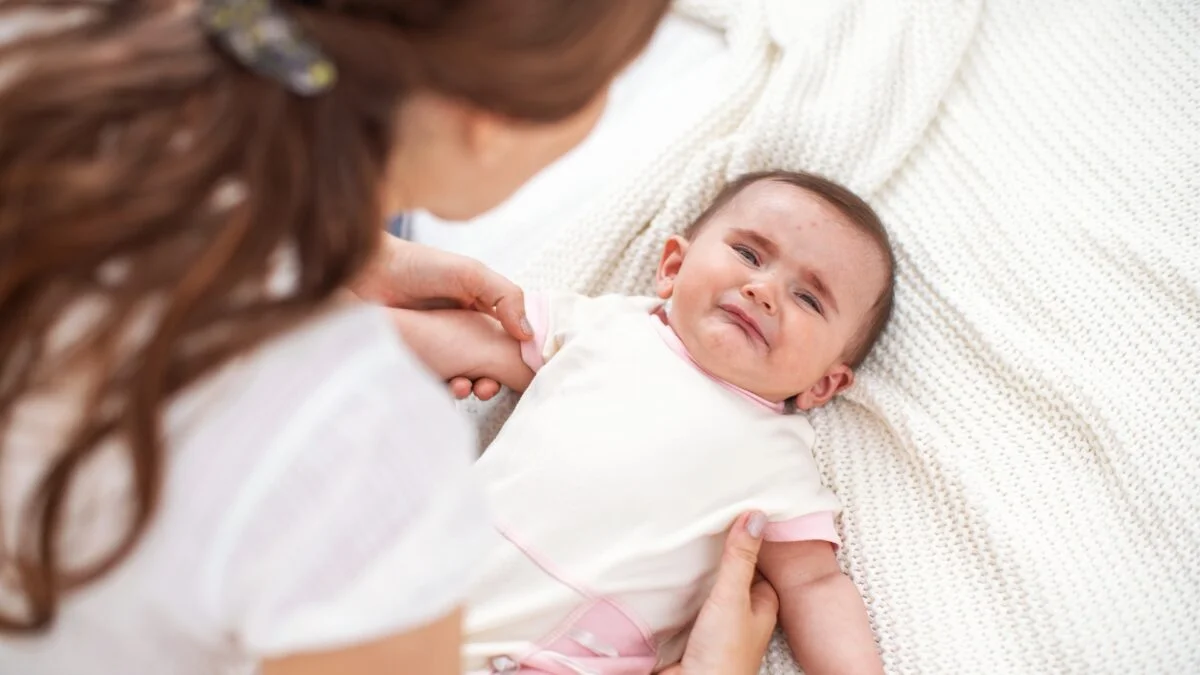
As France experiences a significant heatwave since the Pentecost weekend, infants are among the most vulnerable to dehydration. An emergency physician reminds us of the urgent signs to watch for in babies, including a very simple test that can be done at home which may save your baby's life: the skin pinch test.
Watch out for your baby during the heatwave! For several days, a true "heat dome" has settled over a large part of France. In some regions, temperatures are already exceeding 30°C, and health authorities are issuing multiple warnings, particularly for the elderly, but also for the little ones. Infants are particularly sensitive to heatwaves. Their bodies contain a lot of water, and their thermoregulation system is still immature, significantly increasing the risk of dehydration.
On the social media platform TikTok, the emergency physician known as "Doctor Urgences", followed by nearly a million people, has published an alert video. "Children and babies are very sensitive to heat and dehydration", she explains. She notably reminds us that "before 6 months, they are composed of 80% water, which is huge". According to information from Ameli, an infant's body indeed contains about 75 to 80% water, compared to 60% in adults. This explains why water loss can occur extremely quickly during high heat, significant sweating, diarrhea, or vomiting. To ensure that your baby is not dehydrated, it is important to spot these signs and know this particular test.
Baby Dehydration: The 'Skin Pinch Test', This Gesture Can Alert You
Various signs are mentioned by the emergency physician. However, a very simple gesture can already allow parents to detect early dehydration: the "skin pinch test". The principle is very simple: gently pinch the skin of the baby's belly or thigh between two fingers and then release. In a properly hydrated child, the skin immediately returns to its normal position. Conversely, if the pinch remains visible for a few seconds before returning to place, it may indicate a significant lack of water. This test is also supported by several recommendations relayed by the AFPA and reiterated by Ameli. The Assurance Maladie website specifies that in cases of severe dehydration, "the skin takes time to regain its initial appearance" when lightly pinched.
Another simple indicator also exists: the capillary refill time, known as CRT. It involves pressing on the skin for a few seconds until it turns white, then releasing. The normal color should return in less than three seconds. Beyond that, it may be a sign of poor circulation related to more significant dehydration. Of course, these tests never replace medical advice. But they can help parents to react quickly before the situation worsens, especially during a heatwave.
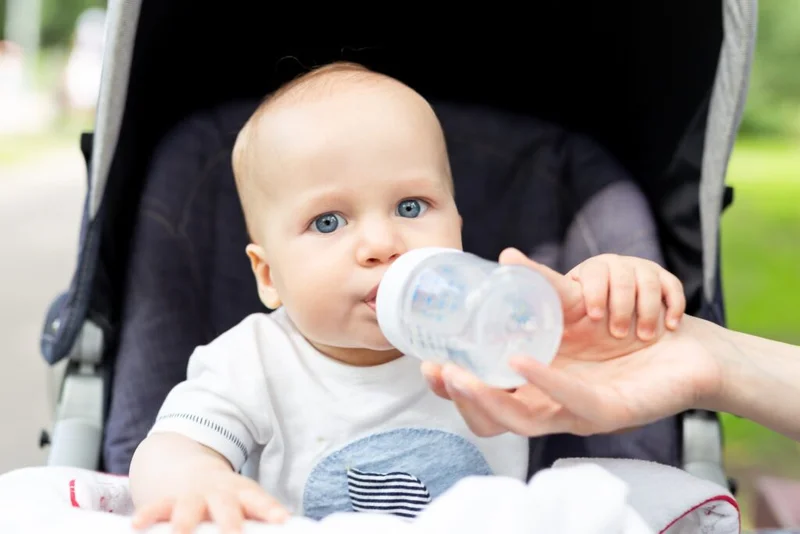 © Shutterstock/K-FK
Heatwave: Signs of Dehydration to Spot in Babies
In her video, the emergency physician also emphasizes several symptoms that should prompt quick consultation. The first is very easy to monitor: diapers. "A child should pee in their diaper at least every 6 hours. If it’s less, it means they are starting to become dehydrated", she explains. Recommendations inspired by the Haute Autorité de Santé go even further. A diaper that has remained dry for 3 to 4 hours in the heat already constitutes an important warning signal.
The baby's behavior is also an essential indicator. "Is your child acting normally? Are they playing?", the physician asks. An unusually lethargic infant who sleeps a lot, whines, or stares blankly should be seen quickly by a healthcare professional. "These are serious signs; you need to see a doctor urgently", she warns. Ameli confirms that "a change in behavior", significant weakness, or unusual drowsiness are major signs of severe dehydration in infants.
Heat: If These Details Appear on Your Baby, They Are Lacking Water!
In young children, certain physical signs are particularly revealing. "For little ones who still have an open fontanelle, watch it closely", advises the emergency physician. "If the fontanelle is sunken, it may mean that the child is dehydrated". Crying also provides valuable information. "If they cry without tears, it is also a sign of severe dehydration", the specialist reminds us. The same goes for the lips and mucous membranes. "Children should have slightly moist lips, but not dry or crusty at all". Very dry lips, a pasty mouth, sunken eyes, or a dull gaze should immediately alert parents.
Finally, the physician reminds us that significant weight loss remains a very serious indicator. "In emergencies, we consider that a child who has lost more than 5% of their weight is dehydrated and likely needs to be hospitalized". In case of doubt, especially during this period of high heat, specialists recommend never waiting. A baby can become dehydrated very quickly. If several of these signs appear together, it is preferable to contact a doctor or call emergency services quickly.