
Cosmetic Ingredients to Avoid While Breastfeeding (and Those That Are Safe)
Breastfeeding doesn't mean you have to stop caring for your skin. Learn which cosmetics are safe and which to avoid during this important time.
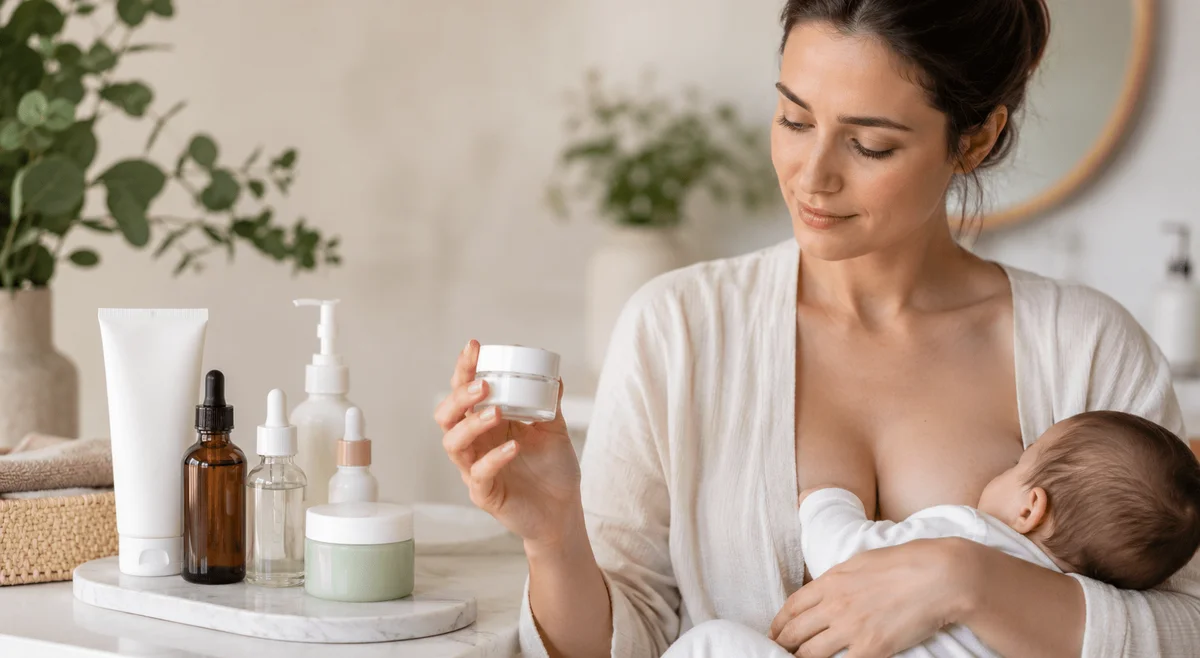
Breastfeeding doesn’t mean you have to completely forgo skincare. However, many mothers find themselves confused about which cosmetics are safe to use while nursing and which ones should be avoided. Questions often arise about the safety of retinol, salicylic acid, and vitamin C. The plethora of sometimes contradictory information available online can lead many to abandon their skincare routines entirely for fear of harming their baby.
Fortunately, most skincare products are compatible with breastfeeding. Only a few specific ingredients warrant caution due to limited scientific evidence or their potential for systemic absorption. Understanding which ingredients to avoid will help you continue caring for your skin with peace of mind and make informed choices.
This guide will explore which cosmetic ingredients should be avoided while breastfeeding, which are considered safe, and how to adapt your skincare routine without risking your baby’s health.
If you are preparing for your baby's arrival, you might also find our guide on essentials for breastfeeding helpful, as it covers everything needed to make this stage more comfortable.
Is it Necessary to Change Your Skincare Routine While Breastfeeding?
In most cases, you will only need to replace a few specific products. Unlike pregnancy, the exposure of the baby to cosmetic ingredients applied to the mother’s skin during breastfeeding is significantly lower.
Most cosmetics act on the surface layers of the skin and do not enter the bloodstream in significant amounts. However, some active ingredients have a higher absorption capacity or lack sufficient studies on their safety in nursing women, so experts recommend avoiding them as a precaution.
Additionally, if a product is applied on the breast or areola, there is a risk that the baby may ingest it during feeding. Therefore, any cream or serum applied in that area should be removed before breastfeeding.
In addition to skincare, a balanced diet and adequate intake of vitamins and minerals are also crucial during this time. If you have questions, refer to our guide on what supplements to take postpartum and during breastfeeding.
Cosmetic Ingredients to Avoid While Breastfeeding
Retinol and Retinoids
Retinol is one of the most debated topics during breastfeeding.
Retinoids (including retinol, retinal, tretinoin, adapalene, or tazarotene) are effective for treating aging, acne, and pigmentation issues. However, due to the potential for absorption of some vitamin A derivatives and the lack of specific studies on nursing women, most experts recommend avoiding them while breastfeeding, especially in continuous treatments or on large areas.
If you used retinol before pregnancy, it is advisable to wait until you finish breastfeeding or consult your dermatologist for alternatives.
Hydroquinone
Hydroquinone is an active ingredient used to treat melasma and other skin discolorations.
While there is no clear evidence that it is harmful during breastfeeding, its absorption percentage through the skin is relatively high, so it is generally recommended to avoid it until this period is over.
Intensive Chemical Peels
Superficial peels performed by professionals may be compatible in some cases, but very intensive treatments or those that combine multiple acids at high concentrations should be evaluated on an individual basis.
If in doubt, always consult with your dermatologist or the professional performing the treatment.
Some Essential Oils
Not all essential oils are created equal. Some may contain biologically active compounds or lack sufficient studies on their safety during breastfeeding.
As a precaution, avoid using them in concentrated forms, especially on the breast or large areas of the body.
Cosmetic Ingredients Considered Safe While Breastfeeding
Fortunately, the list of safe ingredients is much longer than that of those to avoid.
Vitamin C
Vitamin C is considered safe during breastfeeding and is one of the most recommended antioxidants.
It helps to:
- Provide brightness.
- Improve the appearance of pigmentation.
- Promote collagen production.
- Protect against oxidative damage.
It serves as an excellent alternative to retinol for maintaining glowing skin during this stage.
Hyaluronic Acid
Hyaluronic acid hydrates the skin and retains water in the superficial layers. It does not present significant absorption and is considered compatible with breastfeeding.
It is particularly useful if you notice your skin is drier or dehydrated after childbirth.
If you are considering supplements to improve your skin or hair appearance, we recommend reading our analysis on Bears With Benefits during breastfeeding, where we explain their compatibility with this stage.
Niacinamide
Niacinamide (vitamin B3) is another highly recommended ingredient.
It can help to:
- Reduce redness.
- Strengthen the skin barrier.
- Regulate excess oil.
- Improve the appearance of pigmentation.
Additionally, it is usually well-tolerated even by sensitive skin.
Ceramides
Ceramides help restore the skin’s protective barrier and improve hydration.
They are an excellent option if you notice your skin is drier or more reactive postpartum.
Panthenol
Panthenol (provitamin B5) has moisturizing and soothing properties, making it very useful for irritated or sensitive skin.
Azelaic Acid
Azelaic acid is generally considered compatible with breastfeeding and can be a good alternative for treating acne or pigmentation without resorting to retinol.
What About Salicylic Acid?
Salicylic acid generates many inquiries during breastfeeding.
In low concentrations and applied to small areas, it is generally considered compatible. However, it is not recommended for extensive treatments or high concentrations without medical supervision.
If you are looking for an alternative to improve skin texture, azelaic acid or niacinamide may be more conservative options.
And Glycolic Acid?
Glycolic acid presents very low absorption when used topically and is typically considered compatible with breastfeeding, especially at moderate concentrations.
It is an interesting ingredient for enhancing brightness and promoting cell renewal.
How to Create a Safe Skincare Routine While Breastfeeding
There’s no need to complicate things with too many products. A simple routine is often sufficient:
In the Morning
- Gentle cleanser.
- Serum with vitamin C or niacinamide.
- Moisturizing cream.
- SPF 50 sunscreen.
At Night
- Facial cleansing.
- Hydrating serum with hyaluronic acid or niacinamide.
- Repair cream with ceramides or panthenol.
Remember to remove any products applied to the breast before each feeding.
Frequently Asked Questions
Can Retinol Be Used While Breastfeeding?
It is recommended to avoid it due to the lack of specific studies and the potential absorption of some retinoids. It may be used on the face under the supervision of your dermatologist (alternating days).
Is Vitamin C Safe?
Yes, it is one of the most recommended antioxidant ingredients during breastfeeding.
Can I Use Hyaluronic Acid?
Yes, it is compatible with breastfeeding and helps maintain skin hydration.
What Cosmetic Ingredients Are Prohibited During Breastfeeding?
The main ingredients to avoid are retinoids (such as retinol or tretinoin) and hydroquinone. Other actives, such as some concentrated essential oils or intensive chemical peels, should be used with caution and always under the advice of a healthcare professional.
Safe and Unsafe Cosmetic Ingredients During Breastfeeding
✅ Compatible Ingredients
⚠️ Ingredients to Avoid or Consult
Vitamin C
Retinol and Retinoids
Hyaluronic Acid
Hydroquinone
Niacinamide
Intensive Peels
Ceramides
Some Concentrated Essential Oils
Panthenol
Specific Dermatological Treatments
If you have questions about a specific ingredient or a dermatological treatment, always consult your doctor or pharmacist and verify the information in e-lactancia, a database created by healthcare professionals that evaluates the compatibility of numerous products with breastfeeding. I always use it, and it’s incredibly helpful not only for cosmetic ingredients but for all types of products.
Conclusion
Breastfeeding does not mean you have to give up on skincare. In fact, most ingredients found in cosmetics are compatible with this stage and can help you maintain healthy, hydrated, and radiant skin.
The main precautions focus on avoiding retinoids, hydroquinone, and some very intensive treatments, while ingredients like vitamin C, niacinamide, hyaluronic acid, ceramides, and azelaic acid are generally considered safe and effective options.
If you have any doubts, especially if you have a dermatological condition or require specific treatment, consult your dermatologist, midwife, or pharmacist. They can recommend the best skincare routine tailored to your needs and compatible with breastfeeding.
If you want to delve deeper into this stage and resolve many common questions, we also recommend our selection of the best books on breastfeeding.
Other Articles That Might Interest You...
- Essential Products for Postpartum: A Complete Guide for a More Comfortable Recovery
- Natural Cosmetics for Babies
- Can Fabric Softener Be Used on Baby Clothes?
- Best White Noise Machines for Babies