
Comprehensive Guide to Gynecological, Obstetric, and Breastfeeding Care for Deaf Mothers
Accessible communication is vital for quality healthcare. Deaf women face barriers in maternity and breastfeeding care, prompting a new guide to improve support.
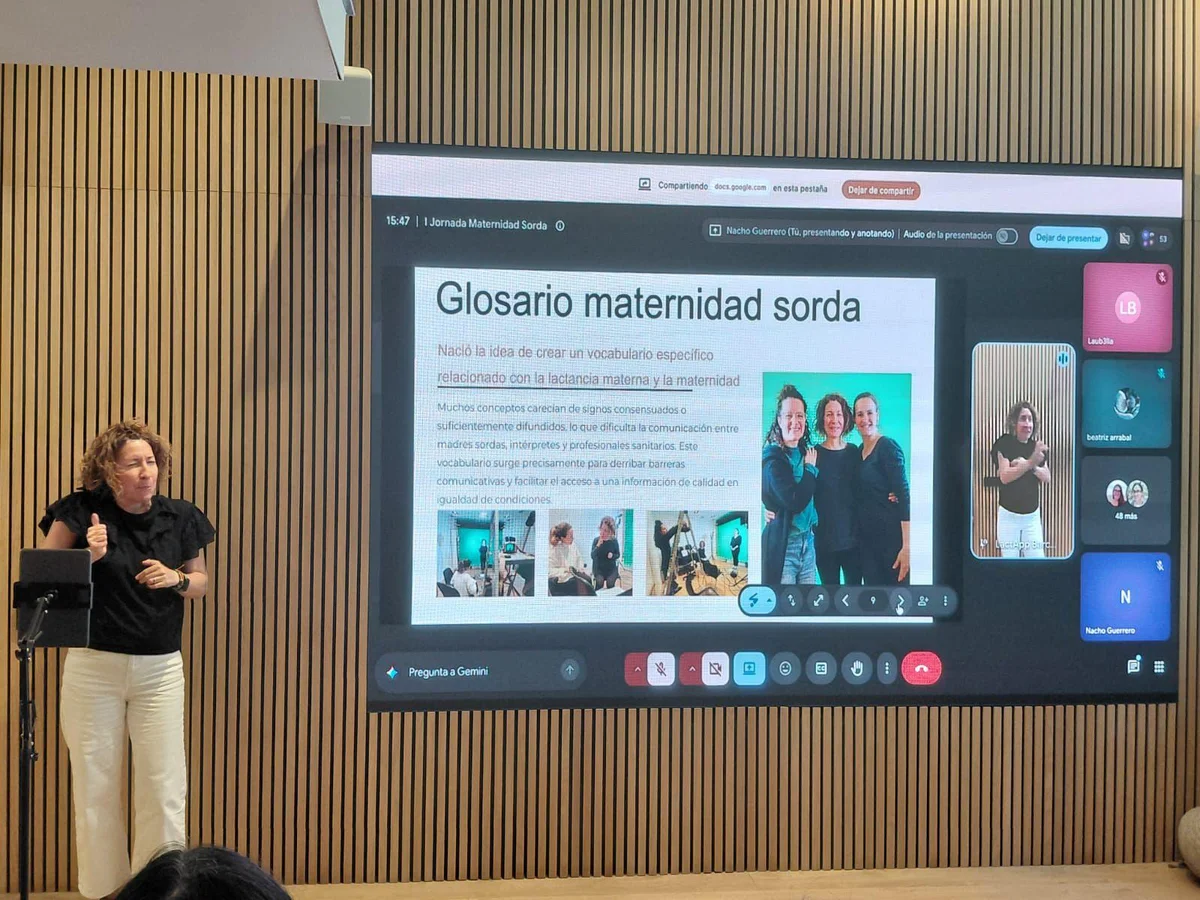
Accessible communication is crucial for ensuring high-quality healthcare that is safe and tailored to the needs of every family. However, deaf women continue to face significant barriers during pregnancy, childbirth, the postpartum period, and breastfeeding, which hinder their access to understandable information and equitable support.
To address these disparities, the Alba Maternal Breastfeeding Association, in collaboration with LactApp and the Government of Catalonia, has launched a pioneering project led by Susana Romanillos and Andrea Montero. This initiative aims to enhance care for deaf women in the realms of motherhood and breastfeeding. Among its key efforts is the development of a Guide for Healthcare Providers Serving Deaf Women, as well as the creation of the first glossary in Catalan Sign Language (LSC) that encompasses terms related to motherhood and breastfeeding, filling a significant terminological gap that previously existed.
In this article, we outline the essential guidelines from the guide, which serves as a practical tool offering recommendations to facilitate more accessible, respectful, and inclusive communication, enabling healthcare professionals to provide higher-quality care to deaf mothers and their families.
1. Respect, Autonomy, and Communication Management
- Linguistic Recognition: It is vital to acknowledge Catalan Sign Language (LSC) or Spanish Sign Language (LSE) as recognized languages.
- Center Responsibility: Healthcare facilities must manage and request professional interpreters for LSC/LSE at all stages, relieving patients of this organizational burden. This should be planned for both scheduled appointments and emergencies.
- Avoid Informal Intermediaries: The use of family members as interpreters should be avoided, particularly in sensitive or clinical situations.
- Direct Engagement: Always address the patient directly in a natural manner, steering clear of infantilization or overprotection.
2. Guidelines for Effective Communication
To enhance direct communication during consultations, the following actions are recommended:
- Best Practices: Maintain eye contact, speak face-to-face, ensure proper lighting, articulate naturally, and use short, clear sentences while frequently confirming understanding.
- Situations to Avoid: Do not speak while walking or without making eye contact. Avoid shouting or covering your mouth with opaque masks if lip-reading is necessary. Never address only the companions instead of the patient.
3. Training for Healthcare Personnel
Encouraging basic training in LSC/LSE within healthcare programs does not replace the need for a professional interpreter, but it significantly enhances the therapeutic relationship, builds trust, and facilitates initial care in emergency situations.
If You Wish to Collaborate with the Project
The association is fully open to new collaborations with professionals and institutions aiming to improve accessibility in healthcare. Interested parties can reach out via email at: 📩 [email protected]