When Should I Start Putting Shoes on My Baby?
During the first months (and well beyond starting to walk), babies' feet are crucial for sensory and motor development. Keeping them barefoot as much as possible is recommended.
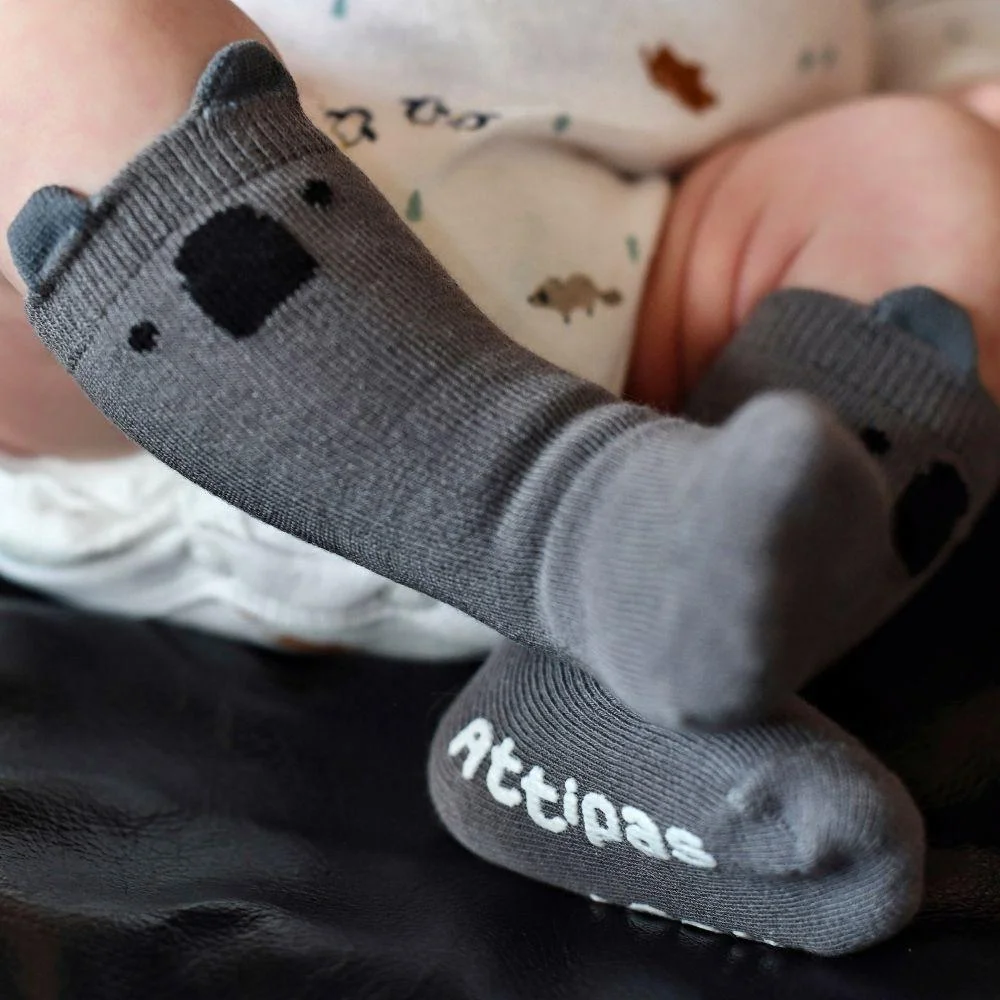
In the early months of life, and even well after babies begin to walk, their feet serve a purpose beyond just mobility; they play a crucial role in sensory and motor development. Therefore, the best approach is to keep them barefoot for as long as possible.
🌿 Feet that Feel and Learn
Babies' feet are rich in nerve endings that transmit information to the brain. Each texture they encounter—be it the floor, a blanket, grass, or sand—helps them understand their environment, improve balance, and strengthen muscles.
According to child development specialists, the sole of a newborn's foot is more sensitive than their hand, and this sensory stimulation is vital for the maturation of the nervous system and brain development. Thus, when a baby repeatedly removes their socks or shoes, it's not just a whim; their body is urging them to experience the world freely.
👶 Stages of Foot Development and Their Needs
🍼 Newborn and Pre-Crawling Stage
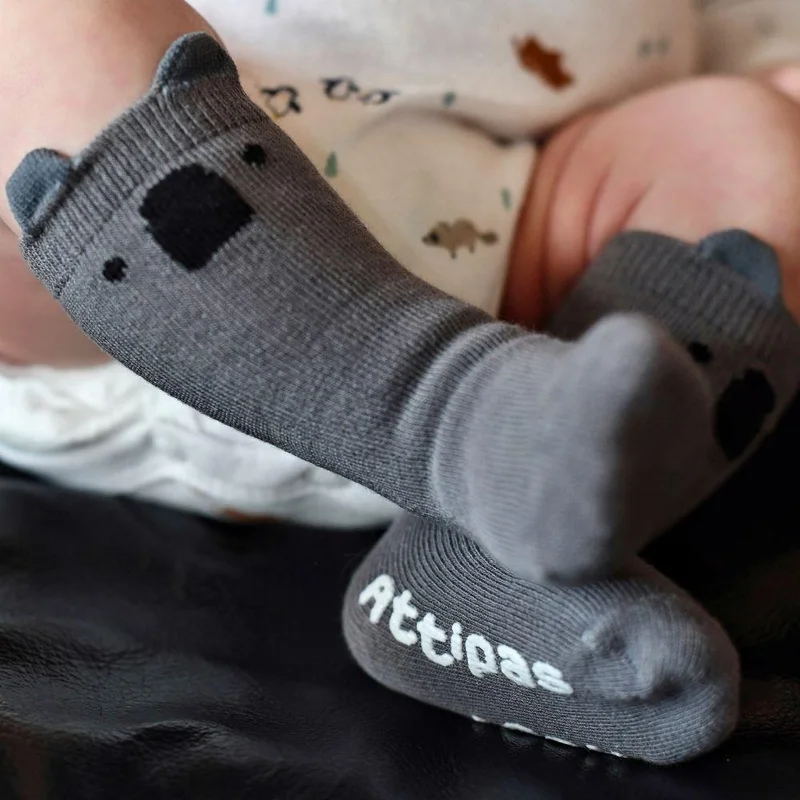
During this phase, babies do not require shoes. Only thin socks or soft booties are necessary if it’s cold. At this stage, their feet are still very soft, primarily composed of cartilage, and any pressure could alter their shape.
🧎♀️ Crawling and Early Standing
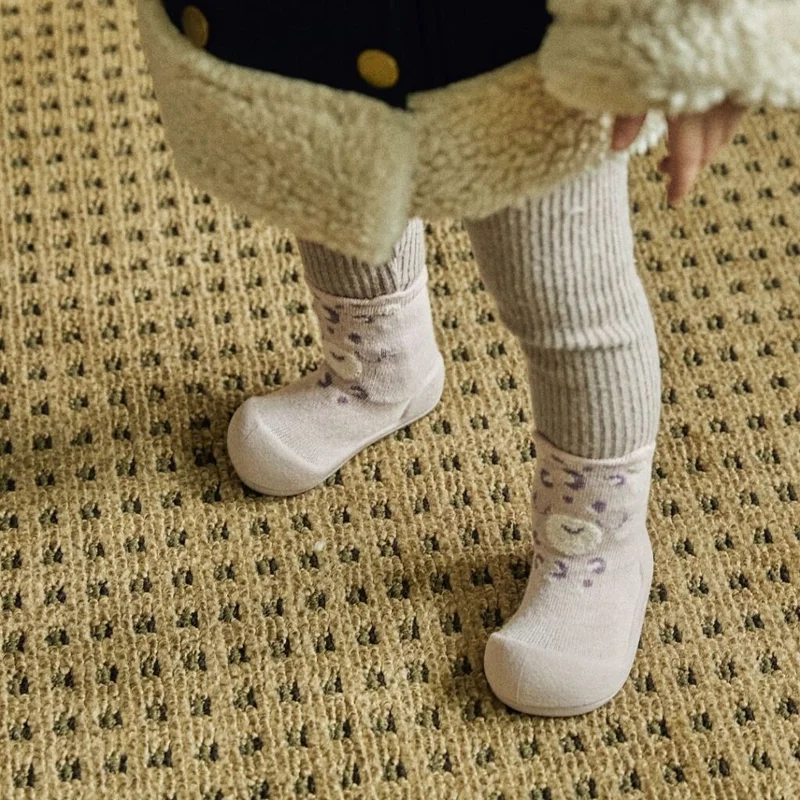
It remains best to keep their feet barefoot. Experiencing different surfaces aids in muscle strengthening and movement coordination. If the ground is cold or rough, consider using non-slip socks, socks with soles (like Attipas), or very soft shoes without rigid soles (such as Lobitos).
🚶 First Steps
Once babies begin to walk independently, they can start wearing respectful or barefoot shoes. However, it’s still advisable for them to spend as much time as possible barefoot to continue developing their balance and proprioception.
🌸 Benefits of Going Barefoot
- Strengthens the muscles of the foot, ankle, and leg.
- Enhances proprioception, or the awareness of the body in space.
- Improves balance and coordination.
- Helps form the foot's arch naturally.
- Reduces the risk of deformities such as flat feet or claw toes.
- Encourages freedom of movement and exploration.
Walking barefoot stimulates both the body and brain, serving as a simple and natural means to promote child development.
👟 Characteristics of Baby's First Shoes
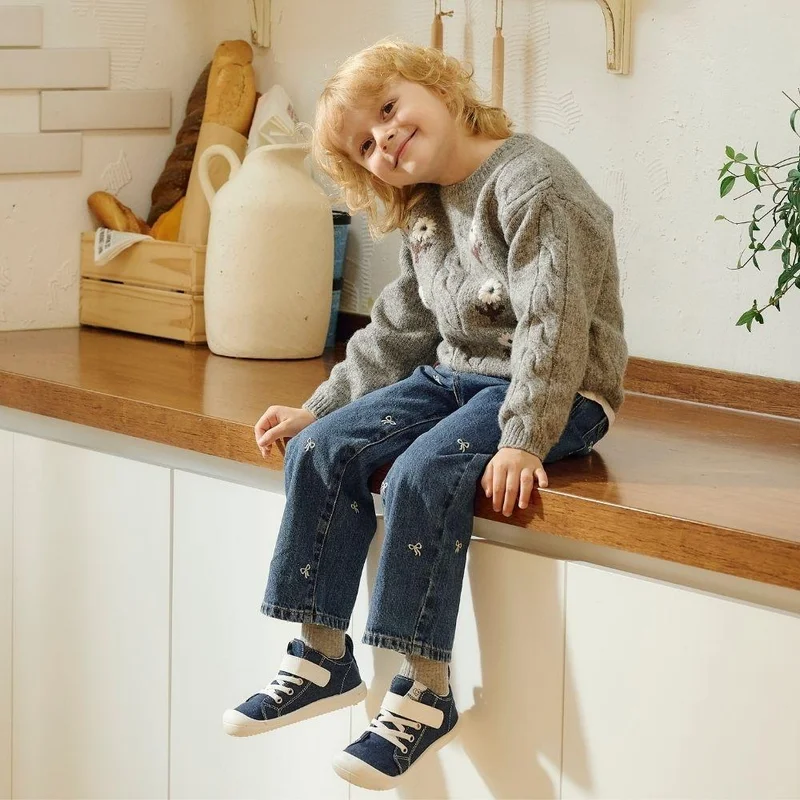
When the time comes to protect their feet (whether outside, at the park, or on surfaces that require it), the ideal footwear should respect their natural movement. A respectful shoe should meet the following criteria:
- Thin and flexible sole: allowing them to feel the ground and move freely.
- Lightweight: without excess weight that could hinder movement.
- No rigid heel counter: enabling natural ankle movement.
- Flat (zero drop): with no height difference between the heel and toe.
- Wide toe box: providing space for toes to spread and rest comfortably.
- Breathable and natural materials: keeping the foot dry and comfortable.
- Easy to put on and take off, yet well-fitted to prevent slipping off.
In summary, a shoe that feels almost like being barefoot.
💡 Practical Tips
- Allow them to walk barefoot whenever the environment is safe.
- Provide varied surfaces: carpet, wood, grass, sand…
- Avoid hard shoes or thick soles during their first steps.
- Regularly check their shoe size: feet grow quickly.
- If the floor is cold, use non-slip socks.
- And remember: there's no rush to put shoes on. The key is to follow their pace.
💜 In Summary
Foot development is an essential aspect of childhood. Keeping them barefoot not only strengthens their bodies but also fosters curiosity, autonomy, and a connection with their environment. When the time comes to put shoes on them, choose options that respect their natural movement.
In Quiero Colo, you can find respectful footwear for every stage, from first steps to childhood, because we believe that free feet are happy feet.