Preparing for Your Child's First Sleepover: Essential Tips
The first sleepover can be a significant step for children. This guide offers practical tips for parents to prepare their child for this exciting yet potentially challenging experience.
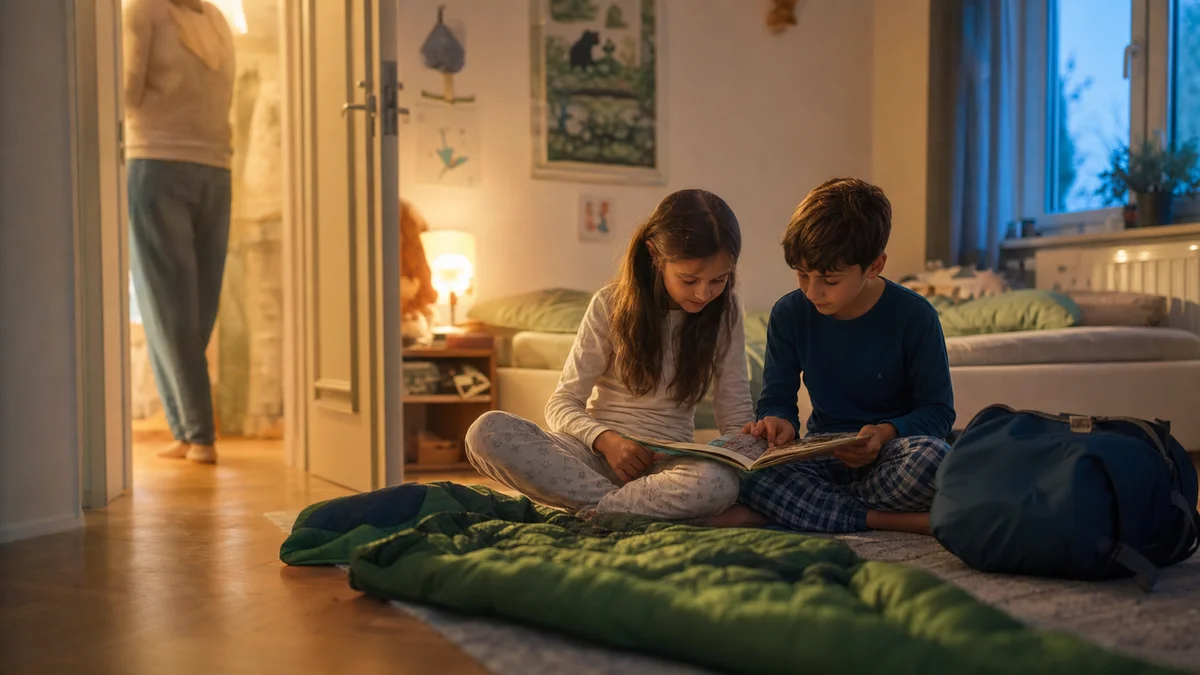
The invitation to a child's first sleepover can be a significant milestone. It brings exciting prospects like pizza, flashlight games, late-night chats, and the thrill of growing up. However, it can also trigger feelings of homesickness as the evening unfolds. Parents often find themselves in a dilemma: Is my child ready for this? What should we pack? Should I remain reachable, or is it better to stay out of the way?
A successful sleepover doesn't require meticulous planning. It becomes easier when the child, the host family, and the parents discuss a few key points beforehand. This guide aims to help you prepare for the first sleepover in a way that fosters excitement while ensuring a backup plan is in place.
Signs That Your Child May Be Ready
Instead of focusing on a specific age, consider the individual situation. Some children may want to spend the night at a friend's house early on, while others may take longer to feel comfortable. Positive indicators include: the child knows the family well, feels secure in their home, can express their needs in simple terms, and is eager to try the sleepover. A statement like "Everyone else is doing it" is not a solid reason for them to go.
Engage in open discussions without pressure: What are you looking forward to? What might be challenging in the evening? How would you like to reach us if you want to come home? Allowing a child to voice their concerns means they don't have to suppress them. It’s perfectly okay for them to say, "I want to try, but only if we have a plan to pick me up."
Choosing the Right Invitation
For the first sleepover, a familiar setting is invaluable. Ideally, it should be with a family you already know, where your child has spent time playing alone. A sleepover with one close friend is often more manageable than a large, boisterous gathering. Timing is also crucial: a calm weekend following a busy school week or before an important event is usually more suitable than during a stressful period or illness.
Before the sleepover, clarify the basic arrangements with the host family. Who will be present that evening? Are there pets, allergies, or specific dietary requirements? What time is bedtime? Where will the child sleep? These questions are not about controlling the other parents but about establishing reliability. A brief phone call or friendly message is often sufficient.
Packing Together: Less is More
Involve your child in packing their overnight bag instead of doing it secretly. This helps them know where their pajamas, toothbrush, change of clothes, and a comforting item are located. A familiar object can provide comfort without being embarrassing, such as a favorite pajamas, stuffed animal, small book, or nightlight. It's essential that the item resonates with the child rather than conforming to an adult's idea of what a "brave" child should have.
A simple packing list will suffice: pajamas, underwear, clothing for the next day, toothbrush, any necessary medications with clear instructions for the host parents, slippers or socks, and a small comfort item. Items like smartphones, gaming consoles, or excessive sweets are not prerequisites for a successful evening. If a smartphone is included, agree beforehand that it will only be used for contacting home and where it will be kept overnight.
Establishing a Clear Backup Plan
The most crucial aspect of the first sleepover is allowing the child the option to change their mind. Make arrangements that permit them to call home if they want to leave. There will be no scolding, no "you have to tough it out," and no embarrassing discussions in front of other children. Some kids feel reassured just knowing that they can be picked up if needed. Others may manage to stay overnight despite initial uncertainties.
Discuss the communication methods as well. The host parents should have your phone number, and you should have theirs. Decide if you will check in briefly before bedtime or if that might create more anxiety. A reassuring phrase for the child could be: "You can reach out, and we will decide together." This conveys security without promising to resolve every little worry immediately.
Managing Homesickness
Experiencing homesickness is not a sign that something has gone wrong. It can arise when the excitement wanes, the lights go out, or the absence of their own bed is felt. Host parents can offer comfort by providing a glass of water, reading a story for a few minutes, adjusting their sleeping arrangements, or showing a photo. When parents help over the phone, a calm voice and simple questions are most effective: What exactly feels difficult right now? What would help you for the next ten minutes?
Avoid lengthy negotiations or dramatic promises. Sometimes, a child may want to continue after a short break, while other times, going home is the best option. Both outcomes are perfectly acceptable. The next time, the sleepover may be easier because the child has learned: My parents listen to me, and I don't have to prove anything.
Rules for Children to Understand in Advance
A few agreements can make the evening more enjoyable for everyone involved. These include: adults should ask before going outside; medications should only be given by adults; no one will be photographed or filmed without consent; and any frightening secrets should be shared with an adult. Bedtime may differ from home but should not be entirely flexible.
You can frame these rules positively: "We look out for each other, communicate, and seek help if something feels off." This aligns well with small routines that children are already familiar with from daily life. Our article on family rituals explains why recurring routines provide stability for children. Additionally, our straightforward family routines can assist in the days that follow.
Easing the Burden on the Host Family
Providing concise, factual information is more beneficial than an extensive list. For example, inform them if your child has allergies, occasionally wakes up at night, or needs medication. Always give medications with clear dosages and only after discussing it with the host family. Beyond that, the host family can manage the evening in their way. There's no need to check in constantly or micromanage from afar.
After the sleepover, express gratitude and ask the next day in a curious yet non-interrogative manner: What did you enjoy? What felt unusual? Would you want to do it again? Even if the night ended earlier than planned, there likely were enjoyable moments. This positive memory can make the next sleepover easier.
If the Sleepover Doesn't Go as Planned
Sometimes, the best next step isn't another sleepover but rather a longer playdate, a shared dinner, or a movie night that wraps up just before bedtime. This is not a setback. Children develop independence through small, repeatable experiences. If they manage well in a familiar family setting, they will be better prepared for larger sleepovers or school trips in the future.
Avoid comparing them to siblings or friends. Each child progresses at their own pace. What matters is that the experience remains safe, and the child feels valued. A voluntary, well-supported sleepover can turn into a cherished memory, while a canceled sleepover can provide valuable insights into what might help in the future.
Conclusion: Anticipation with a Safety Net
The first sleepover at a friend's house is a small adventure on the path to independence. Good preparation involves choosing a familiar host family, packing lightly together, clarifying simple rules, and having an agreed-upon pickup plan. When adults remain relaxed, a child is free to explore, grow, and even return home if necessary. This safety net often makes the night more enjoyable.
FAQ
Should a child be picked up immediately if they feel homesick?
Listen first and decide together with the child and the host parents. A brief reassurance may suffice; if the child clearly wants to come home or feels very uncomfortable, picking them up is a good plan.
How many children are ideal for the first sleepover?
A close friend is often easier than a large group. What matters is not the number of children but that the child knows the environment and at least one other child well.
What should definitely be included in the overnight bag?
Typically, pajamas, a toothbrush, clothing for the next day, necessary medications, and a small familiar item are sufficient.