
Understanding Dry Skin After Pregnancy: Causes and Solutions
Explore the causes and solutions for dry skin after pregnancy, including hormonal changes, environmental factors, and effective skincare tips.
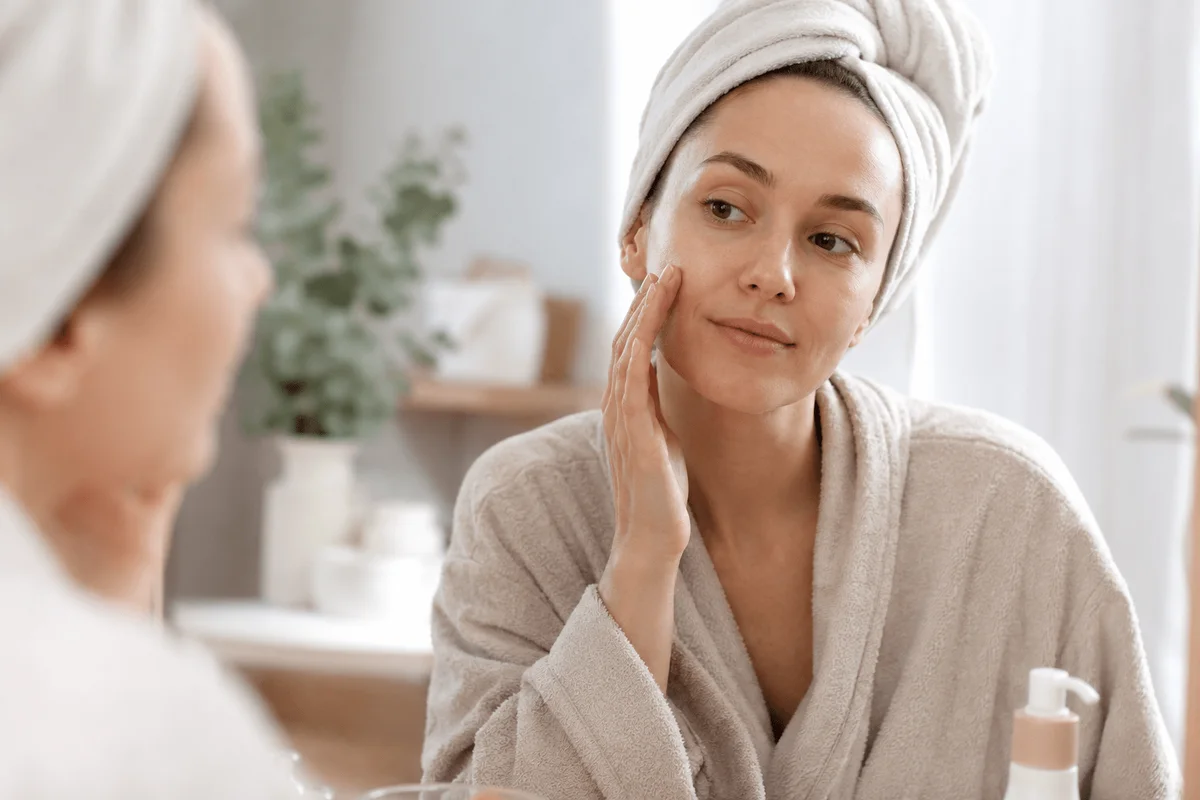
The skin undergoes significant changes during pregnancy, and these alterations often persist even after childbirth. In the weeks and months following delivery, many women experience increased dryness, tightness, roughness, or sensitivity of the skin, even if they did not have these issues during pregnancy.
Dryness can manifest in various areas, including the face, arms, legs, hands, and abdomen. Some women may feel a tightness after showering, while others may notice flaking, itching, or small cracks. For instance, one woman reported visible dryness just a week after giving birth, transitioning from well-hydrated skin to noticeable white patches due to dehydration, particularly on her legs and arms.
But what causes dry skin post-pregnancy? Is it linked to hormonal changes? How long does it last? What are the best creams for postpartum dry skin? This guide explores the most common causes of dry skin after childbirth, how to restore hydration, and when to consult a healthcare professional or dermatologist.
In summary: Postpartum dry skin is often related to hormonal fluctuations, alterations in the skin barrier, irritating products, hot showers, dry climates, and changes in daily routines. However, if dryness is severe or accompanied by other symptoms, it’s advisable to explore additional causes.
Is It Normal to Have Dry Skin After Pregnancy?
Yes, experiencing dry skin can be part of the skin changes that occur during and after pregnancy. The hormonal and physiological changes during pregnancy can significantly affect skin behavior. In fact, dry skin, also known as xerosis, is among the dermatological changes that can appear during this period and continue after the baby is born.
After childbirth, the body begins to readjust to a different hormonal environment. This is compounded by typical circumstances in this phase, such as reduced sleep, altered schedules, quicker showers, and less time for self-care or the use of different products. Thus, having dry skin after childbirth does not necessarily indicate a health issue.
Often, it is a type of dryness that can improve with some adjustments in habits and proper hydration.

What Causes Dry Skin After Pregnancy?
Several factors can contribute to dry skin after childbirth, and in many women, no single reason is responsible.
1. Hormonal Changes Post-Delivery
Hormonal shifts are often the first consideration when skin alterations occur after pregnancy. During gestation, various hormones increase and change, and after delivery, these levels gradually return to their normal state. These changes can affect the skin's characteristics, making it feel different for a while compared to before pregnancy.
However, it's essential not to attribute all dryness solely to hormones, as other daily factors may have an even greater impact.
2. Altered Skin Barrier
The outer layer of the skin acts as a barrier that helps retain moisture and protect against external factors. When this barrier is compromised, the skin can lose water more easily, resulting in dryness, flaking, tightness, or itching. A good skincare routine for dry skin aims not just to add moisture but to maintain the skin barrier in better condition.
Thus, both hydration and avoiding irritants are crucial.
3. Hot Showers
While a hot shower may feel soothing, especially during weeks of sleep deprivation, it can exacerbate dryness. Hot water and prolonged baths or showers can strip the skin of its natural lipids. The American Academy of Dermatology recommends limiting showers or baths to about 5-10 minutes and using lukewarm water, particularly when dealing with dry skin.
4. Harsh Soaps and Gels
If your skin feels tight, rough, or uncomfortable after showering, the issue may not be a need for more hydrating cream but rather the cleansing product being too harsh. Dermatologists recommend using gentle cleansers, preferably fragrance-free, especially for dry or sensitive skin. Additionally, using excessive amounts of soap during every shower is unnecessary.
5. Limited Time for Skin Care
The postpartum period dramatically alters routines. Previously, you may have had time to apply cream after a shower, follow a facial routine, or use specific products. With a baby at home, it’s easy to quickly dress after showering and forget to hydrate the skin. This is a common experience, especially for first-time mothers.
It’s perfectly fine if your routine simplifies to the basics for a few weeks. In fact, a straightforward and consistent routine can often be more beneficial than using multiple products infrequently.
6. Dry, Cold Climate or Heating
Environmental factors also play a significant role. Cold weather, wind, low humidity, and indoor heating can contribute to moisture loss from the skin. Many women notice that their dry skin worsens during the winter months. If your home environment is very dry, a humidifier can help increase ambient moisture.
7. Stress and Fatigue
Stress and lack of rest are almost inseparable from the postpartum experience for many families. While we can’t say that insufficient sleep directly causes dry skin, fatigue and changes in routine can indirectly affect skincare. After several nights of poor sleep, dedicating ten minutes to your skincare routine may be the last thing on your mind.
Thus, during this time, it’s better to simplify rather than abandon skincare altogether.
8. Certain Medical Conditions or Treatments
Persistent dry skin can also arise from specific medical conditions or treatments. Conditions like atopic dermatitis or psoriasis, as well as certain systemic diseases, can lead to dry skin. Therefore, if dryness is severe, does not improve with regular care, or is accompanied by other symptoms, it’s wise to seek professional advice.
How Can You Tell If Your Skin Is Really Dry?
Dry skin can present itself in various ways. Common symptoms include:
- Tightness
- Rough texture
- Flaking
- Itching
- More pronounced fine lines
- Redness or irritation
- Tightness after a shower
- Peeling skin
- Small cracks
In cases of severe dryness, deeper cracks, pain, and even bleeding may occur. It’s important to distinguish between slightly dry skin and skin that is inflamed, cracked, or has lesions. If you experience significant pain, bleeding, discharge, yellow crusts, or signs of infection, consulting a healthcare professional is advisable.
How Long Does Dry Skin Last After Childbirth?
This is a common question, and there is no one-size-fits-all answer. The duration of dry skin after pregnancy varies. If dryness primarily stems from factors like hot water, irritating products, dry climates, or inadequate routines, it may improve once these factors are addressed.
The American Academy of Dermatology notes that many individuals may see improvement in dry skin within approximately two weeks when following appropriate care measures. However, various factors may coexist during the postpartum period, and each woman’s experience can differ. Therefore, if you’ve been caring for your skin for several weeks without improvement, it may be worth seeking professional advice.
How to Treat Dry Skin After Pregnancy?
You don’t need a complicated routine. In fact, when the skin is dry and sensitive, less can be more. Here are the most effective measures you can take:
1. Hydrate Your Skin Daily
Hydration is a fundamental step in improving dry skin. For very dry skin, creams and ointments are generally more effective than lighter lotions as they help retain moisture better. Some beneficial ingredients in moisturizers for dry skin include:
- Ceramides
- Glycerin
- Hyaluronic acid
- Urea
- Lactic acid
- Petrolatum
- Shea butter
- Dimethicone
You don’t need a cream with all these ingredients; the key is to find a formula that your skin tolerates and to use it regularly.
Which Cream to Choose for Dry Skin After Pregnancy?
If you have dry and sensitive skin, prefer:
- Creams or balms over very light lotions.
- Fragrance-free formulas.
- Moisturizing and barrier-repairing ingredients.
- Products that do not cause stinging or irritation.
The AAD especially recommends products labeled “fragrance-free” for dry and sensitive skin. Remember, “fragrance-free” doesn’t mean the same as “unscented”; some products may contain ingredients intended to mask odors.
2. Apply Cream After Showering
This is likely one of the simplest and most useful tips. After showering, do not completely dry your skin. Gently pat it with a towel without rubbing, and apply moisturizer while your skin is still slightly damp. This helps retain some moisture in the skin. Dermatologists recommend applying moisturizer immediately after bathing or showering.
You don’t have to do this just once a day. If your skin remains dry, feel free to reapply cream as needed.
3. Use Lukewarm Water
You don’t need to turn your shower into a test of endurance. Just avoid water that is too hot. Aim for showers lasting about 5-10 minutes and use lukewarm water. This small change can be particularly beneficial if your skin is currently very dry.
4. Use a Gentle Cleanser
If you have dry skin, avoid products that leave your skin feeling “extremely clean.” That tight sensation after showering may indicate that the product is stripping away too many of your skin's natural oils. Look for a gentle cleanser, preferably fragrance-free, and use only the necessary amount.
5. Avoid Exfoliating Dry Skin
When dealing with flaking, it may be tempting to use an exfoliant to remove the “dead skin.” However, this can backfire. When the skin barrier is compromised, aggressive exfoliation can increase irritation and dryness. The recommendation is to hydrate and repair before exfoliating. The AAD advises against exfoliating dry skin as it can further strip natural oils.
6. Avoid Highly Fragranced Products
Fragrances and certain ingredients can irritate sensitive skin. If you notice that your skin reacts easily after childbirth, temporarily simplify your routine and opt for fragrance-free products. This applies to shower gels, body creams, and other daily items as well.
7. Protect Your Skin from the Sun
Sun protection remains crucial after childbirth. Exposure to UV rays can worsen skin conditions, including dryness. Using a broad-spectrum sunscreen is essential, especially when spending time outdoors.
In conclusion, while dry skin after pregnancy is common and often manageable with simple adjustments, it’s vital to monitor your skin’s condition and consult a professional if issues persist or worsen.