
Understanding Anxiety for Baby's Health During Pregnancy
Anxiety about baby’s health is a common concern during pregnancy. This article explores the roots of this anxiety, its prevalence, and effective strategies to cope.


Experiencing anxiety about the health of your baby is a common yet often unspoken concern among expectant mothers. Many find themselves lying awake at night, hand resting on their belly, suddenly gripped by thoughts like, "What if something is wrong?" Whether it’s due to a lack of movement from the baby, an unsettling article read online, or an inexplicable feeling, the anxiety can feel overwhelming.
If this resonates with you, take a deep breath: you are not alone, nor are you a bad mother for feeling this way. This anxiety about baby’s health is one of the most prevalent fears during pregnancy, yet it remains largely unacknowledged. Society often pressures women to enjoy what is considered the most beautiful moment of their lives, leaving little room for such anxieties. It’s time to address these feelings with compassion.
Why Anxiety About Baby's Health is So Common and Normal


First, it’s important to recognize that worrying about the health of your unborn child is incredibly common. As highlighted by the Assurance Maladie on ameli.fr, fears of losing a child or having a sick baby are among the most frequently experienced anxieties during pregnancy. Expectant mothers often find themselves asking questions like: Will my baby be healthy? Am I doing everything right? Is my body truly protecting my baby?
This isn’t just in your mind; it’s not a mere hormonal whim. Research indicates that health-related concerns are significantly more pronounced among pregnant women compared to the general population. Essentially, your brain is adapting to its new role as a mother, entering a heightened state of vigilance. This biological response is protective and reflects how much you already care for your baby.
Scientific Insights on Anxiety for Baby’s Health
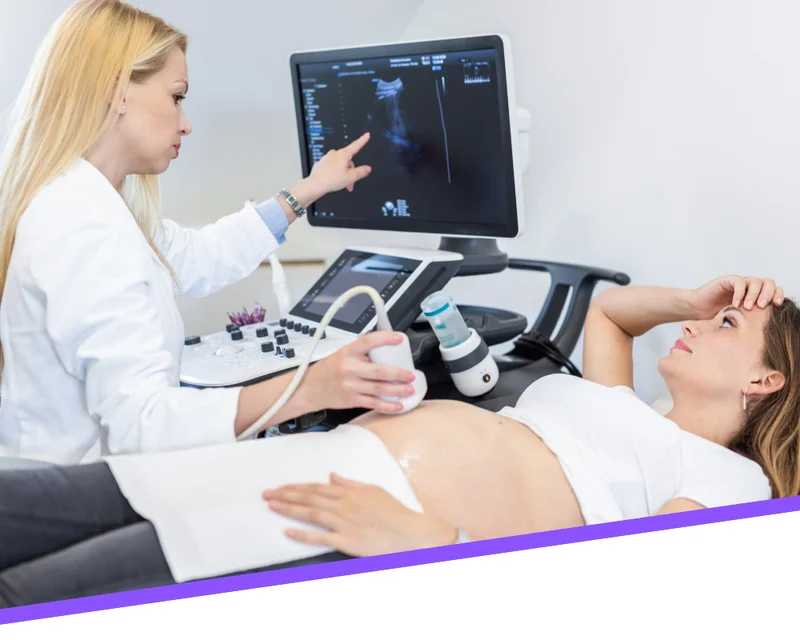

Statistics can often provide comfort by illustrating that you are not alone. According to ameli.fr, between 5% and 15% of pregnant women experience genuine anxiety disorders, particularly in the early and late stages of pregnancy. This issue extends beyond pregnancy; a report from Santé publique France published on July 8, 2026, revealed that 27% of women still exhibit anxiety symptoms two months postpartum.
A portion of this anxiety begins early in pregnancy, often surfacing within the first few weeks. Therefore, if you feel overwhelmed, it’s crucial to understand that this is a widespread, documented phenomenon taken seriously by health authorities.
Understanding the Roots of This Fear


This anxiety does not arise randomly; it has tangible roots. Understanding these can help diminish their power.
The waiting period between appointments. There can be weeks of silence between ultrasounds, leaving your imagination to fill the void. When fear strikes, it rarely conjures up comforting scenarios.
The feeling of lack of control. You cannot see your baby or check on their well-being at will, and this helplessness can heighten anxiety. The desire to ensure everything is alright, immediately, is often unfulfilled.
Shifting fears through trimesters. Research on pregnancy-related anxiety indicates that in the first trimester, the predominant fear is losing the baby or concerns about their development. In contrast, anxiety about labor typically increases in the third trimester. Your current fears are not irrational; they follow a common pattern experienced by many women.
Previous experiences. If you have faced a miscarriage, a complicated pregnancy, or challenges in conception, your fears may be intensified. This is understandable and deserves your attention and kindness towards yourself.
When Anxiety About Baby’s Health Becomes Overwhelming
A certain level of concern is normal and even beneficial, as it encourages you to take care of yourself, avoid risky behaviors, and attend medical appointments. However, the issue arises when anxiety dominates your thoughts and disrupts your peace of mind.
Signs That Should Raise Concern


Psychologists specializing in perinatal care identify various behaviors indicative of overwhelming anxiety. You may recognize some of these:
- Obsessive checking: Constantly counting the baby’s movements, monitoring any sign of trouble, or retaking tests for reassurance.
- Dr. Google: Spending hours searching online for symptoms, often leaving you feeling more anxious than before.
- Constant need for reassurance: Repeatedly asking friends, family, or your midwife if everything is okay, yet never feeling truly comforted.
- A persistent feeling that something serious is about to happen, even without concrete reasons — just an unshakable gut feeling.
- Physical symptoms: Rapid heartbeat, stomach knots, disrupted sleep, and ongoing tension.
If these signs persist for most of the day, exhaust you, or hinder your ability to enjoy your pregnancy, it is not a sign of weakness; it’s an indication that support could be beneficial. And help is available.
Effective Strategies to Alleviate Anxiety for Baby’s Health
The good news is that there are ways to address this anxiety. While it may not disappear instantly, it can be managed gradually.
Talking: The First Step


The most powerful action you can take is to discuss your feelings with a professional. The early prenatal consultation, available from the fourth month, is specifically designed to address your fears without judgment, with a midwife or doctor. Many women overlook or hesitate to utilize this opportunity, yet it is your right and is there for you.
If anxiety is significant, the Mon soutien psy program offers psychological support sessions that are covered by health insurance. Consulting a psychologist during pregnancy is not “exaggerated”; it’s a necessary act of care for both you and your baby.
Daily Practices That Help Calm Anxiety
In addition to professional support, several daily practices can make a real difference:
- Limit Dr. Google. Choose two or three reliable sources (such as ameli.fr or your medical team) and avoid late-night searches. While information can be reassuring, excessive information can lead to anxiety.
- Focus on what you can control. You may not be able to manage everything, but you can maintain a healthy diet, sleep well, walk, and attend your appointments. Channel your energy into these aspects.
- Practice breathing exercises. Techniques such as sophrology, cardiac coherence, and perinatal hypnosis may not be magical, but they genuinely help calm the nervous system when fear arises.
- Create your own space. Engage in writing, listen to soothing music, take a bath, or find a moment just for yourself to connect with your baby beyond fear.
- Don’t face this alone. Share your feelings with your partner, a friend, or your midwife. Support from loved ones is one of the best defenses against prenatal anxiety.
You Are Not a Bad Mother for Feeling Afraid
Ultimately, it’s essential to understand that anxiety about baby’s health does not indicate weakness or inadequacy. On the contrary, it demonstrates your deep love for your child. This fear is simply love that has yet to find its place.
It shouldn’t be left unaddressed. When acknowledged, shared, and supported, it can transform from a source of distress into a gentle vigilance. If you find yourself overwhelmed right now, it’s not a hopeless situation — it’s simply time to seek out a helping hand.
Have you experienced the fear that “something might be wrong” during your pregnancy? What has helped you find peace? Share your experiences in the comments; they may provide comfort to other expectant mothers who hesitate to speak up.