
Thin Hair After Pregnancy: What Really Helps!
Thin hair after pregnancy honestly surprised me. I naturally have very thick hair. However, I was not alone with this problem, and many of my mom friends experienced the same.
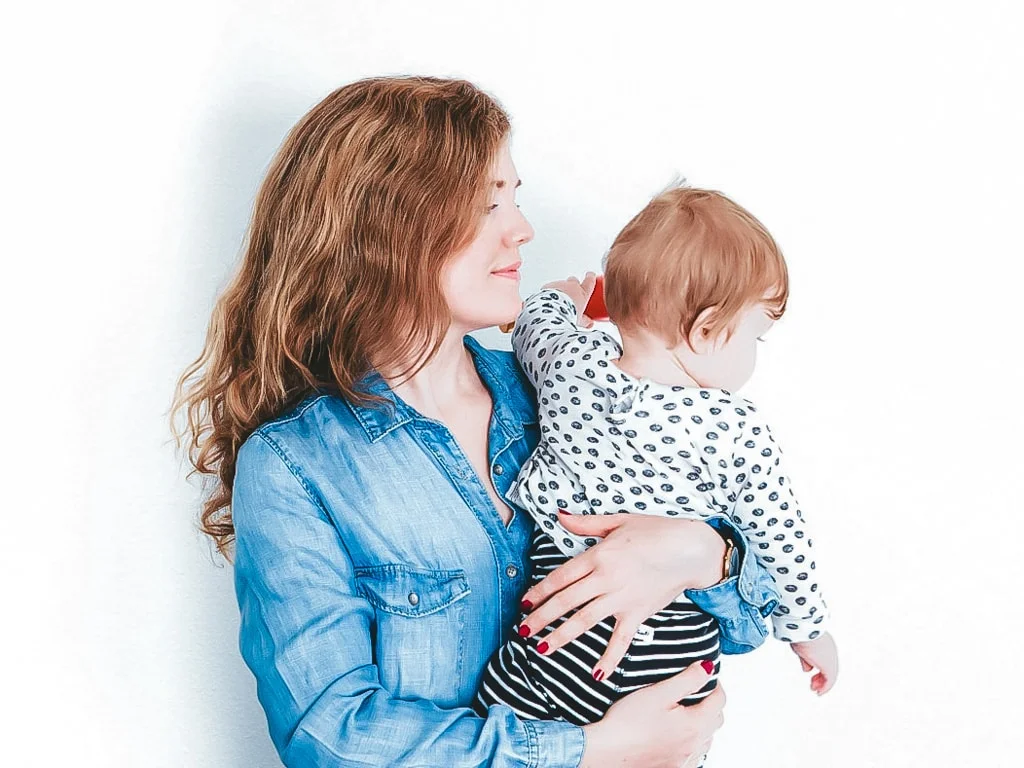
Thin hair after pregnancy honestly surprised me. I naturally have very thick hair. However, I was not alone with this problem, and many of my mom friends experienced the same. For many women, the hormonally induced hair loss, which often only becomes apparent weeks or months after giving birth, can be quite distressing. Hair suddenly becomes thinner, hangs limply, and falls out more frequently! But we must not forget that pregnancy brings about significant changes. Not only is our entire life turned upside down, but our bodies also have to perform at their peak.
So if you are standing in front of the mirror wondering, "Where has my full hair gone?", you are not alone. I felt the same way! The good news is that there is not just one explanation for this, but several solutions that can help you.
Why Does Hair Become Thinner After Pregnancy?
During pregnancy, my hair looked amazing. It was fuller and shinier. The reason for this was the hormones. The increased estrogen levels during pregnancy keep the hair in the growth phase for a longer time. However, after pregnancy, estrogen levels drop again, and postpartum hair loss can be the result.
Typical signs of hair loss after pregnancy:
- You suddenly notice significantly more hair in your brush or shower
- Your ponytail is getting thinner
- Your hair has less overall volume
After brushing and washing my hair, I lost so much that I was genuinely shocked. If I hadn't naturally had such thick hair, the hair loss would have been noticeable to others as well. Fortunately, it was only apparent to me. My ponytail just kept getting thinner. The good news: In most cases, this hair loss after pregnancy is completely normal and only temporary.
What Really Helps Against Thin Hair After Birth? 5 Solutions for Thinning Hair
Full Hair After Pregnancy with Extensions or Styling
Even though hair loss after pregnancy is completely normal, there are a few things you can do to support your hair. Therefore, I have listed five solutions for thinning hair after birth that you should definitely know about.
1. Give Your Body Time
Even though this tip is very simple, there is a lot of truth to it. Hair loss usually occurs three to six months after birth and then regulates itself over time. This can take up to a year, but your body and hormones need time to stabilize again. So be patient with yourself and don’t put additional pressure on yourself. Stress can worsen hair loss.
2. Replenish Nutrients
I struggled with severe iron deficiency during pregnancy and received iron infusions right after giving birth in the hospital. Pregnancy and breastfeeding simply deplete your body of many nutrients. So don’t forget to replenish your nutrient stores and pay attention to a balanced diet. Sometimes, as in my case, diet alone is not enough, and supplementation may be necessary. Discuss with your doctor whether supplements are right for you.
These nutrients are important for healthy hair:
- Iron
- Zinc
- Biotin
- Vitamin D
3. Gentle Care Instead of Additional Stress
Avoid aggressive styling with too much heat or tight hairstyles and overly intensive care. Gentle care that does not weigh the hair down is better suited for hair loss.
4. Create More Volume with Small Tricks
Small changes like a good haircut or minor styling hacks can sometimes make a big difference. These little tricks can add more volume to your hair:
- Layered cuts
- Volume powder or dry shampoo
- Loosely tied hairstyles
- Hairpieces that you can attach yourself (real hair scrunchies, ponytail extensions)
5. Extensions After Pregnancy: Useful or Better to Wait?
For many women with naturally thin and short hair, hair extensions are a popular method for achieving long, voluminous hair. But can extensions be applied right after pregnancy, or should one wait? In fact, many experts recommend not applying extensions immediately after giving birth, but rather waiting about three to six months until postpartum hair loss has stabilized. Extensions have a certain weight that can additionally burden sensitive hair roots. They can also get tangled because falling hair can get caught in the bonds or connections. Lastly, the maintenance required for extensions should not be underestimated. As we know, the early days with a baby can be particularly stressful, and some mothers are just happy to find time to shower.
When Extensions Can Be a Good Solution
Once your hair stabilizes and hair loss decreases, extensions can be a great way to regain volume and length. For fine hair, tape extensions or clip-in solutions are often better suited because these methods are gentler. It’s best to use real hair extensions, as they look particularly natural and feel more pleasant.
Hairpieces as a Quick Solution for More Volume (My Secret Tip!)
I love quick and easy beauty tips. Especially in the daily life of a mom, there often isn’t enough time for elaborate styling. How helpful quick and practical hairstyles are, I already shared in my post about beauty tips for stressed mothers. Hairpieces are also a quick and uncomplicated method for instantly adding more volume to your hair.
Real Hair Scrunchie
If you have little time, you can add more volume to your hair within seconds with a real hair scrunchie. You don’t need a hairdresser and can quickly style your hair into a practical bun with lots of volume. This way, your hair looks fuller than it actually is.
Bun with Hairpiece Provides More Volume for Fine Hair
Ponytail Extensions
I also find ponytail extensions very practical. With a hair-friendly clip technique, you can quickly attach the ponytail extensions to your hair. First, tie your hair into a ponytail. Then clip in the extensions and “hide” them by wrapping a strand of hair around them. This way, you can instantly add more length and volume to your hair without glue or heat. High-quality ponytail extensions made from real hair are more expensive but worth it because they look particularly natural.
My Conclusion: You Have More Options Than You Think
The hair loss after pregnancy initially made me very insecure. But it’s important to know that hair loss after pregnancy is usually not a permanent condition! It simply takes some time for everything to stabilize hormonally.
Nevertheless, well-being should not be neglected. Some women simply feel more confident with beautiful, full hair. Support your body with the right nutrients and work on a healthy diet. Use gentle hair care, and with small styling tricks and a good haircut, you can create more volume in your hair.
You can also help with extensions and hairpieces. When used correctly, hair extensions can not only provide fuller and longer hair but also boost self-confidence. Choose the path that feels right for you and don’t put yourself under pressure.
Tips for Fuller Hair with More Volume
Who among you also experienced thin hair after pregnancy and breastfeeding? How long did it take for you, and have you had experiences with ponytail extensions?