
The Hidden Dangers of the Overly Compliant Child: Understanding Silent Struggles
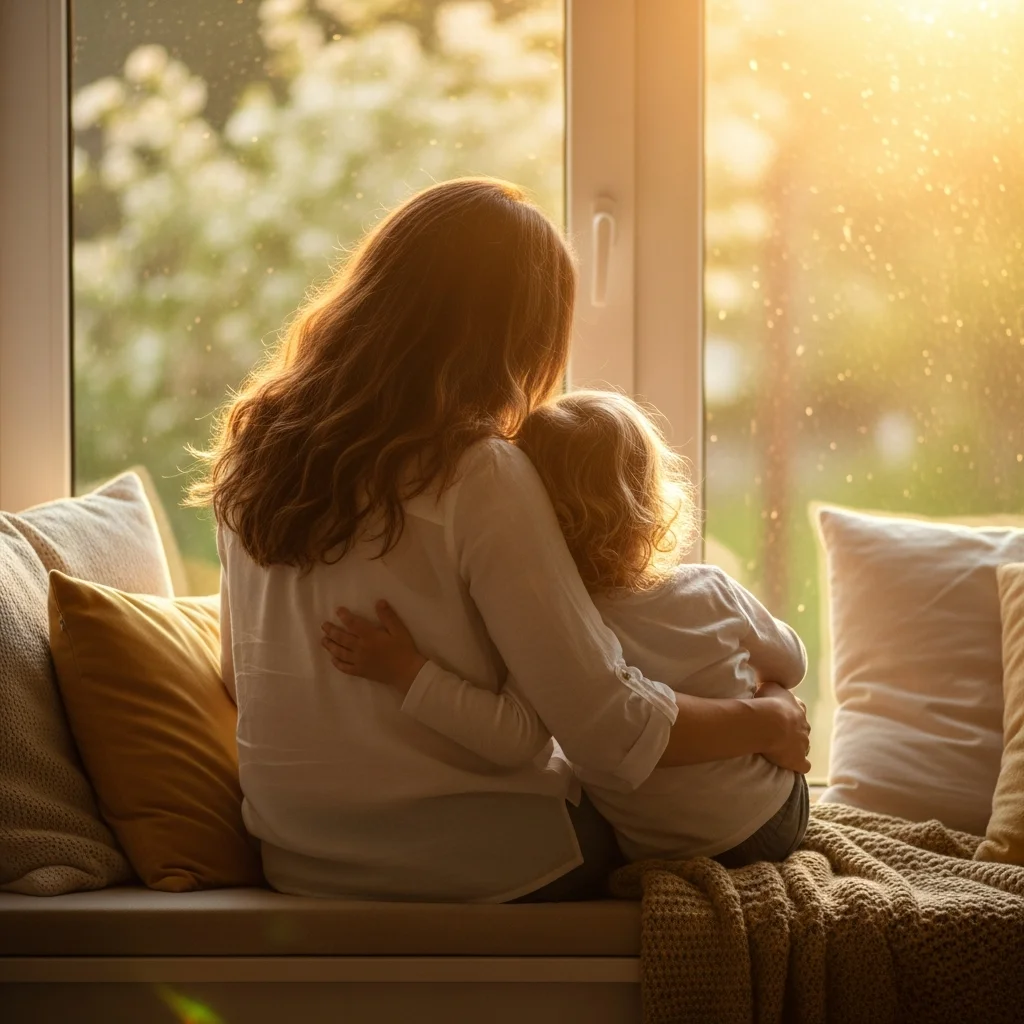
When a child never protests, obeys immediately, and remains silent, we often feel relieved. However, blind obedience or constant silence can hide emotional suffering that takes a toll on their mental health.
Date of publication: August 14, 2026
By Carla Domínguez · Licensed Psychopedagogue and Positive Discipline Trainer
In both school consultations and family advisory sessions, I often hear a phrase that many parents express with relief and pride: "He is so good, he doesn’t make a sound, he behaves so well that it seems like he’s not even there." Culturally, we tend to associate good behavior in children with docility, a lack of complaints, and immediate obedience. However, from a psychopedagogical and positive discipline perspective, a child who never protests, never gets angry, and adapts without objection often raises our concerns. Beneath an outwardly perfect demeanor may lie a significant emotional cost.
The Trap of Over-Adaptation in Children
A child who refrains from voicing disagreements, who does not rebel during expected developmental phases (such as the terrible twos or preadolescence), or who takes on adult responsibilities prematurely is likely experiencing what we refer to as over-adaptation. This does not imply that they do not feel anger, frustration, or sadness; rather, it indicates that they have learned to suppress these emotions to maintain family harmony or to secure the approval and affection of those around them.
Often, this silence stems from an unconscious fear of disappointing their role models. If the home environment is tense, or if they sense that adults are overwhelmed by stress or worries, the child may unconsciously adopt the role of the family savior, deciding not to cause problems. The internal message that embeds itself in their mind is delicate: "I am only loved if I am useful, if I don’t disturb, and if I meet others' expectations."
Warning Signs to Watch For
It is important not to pathologize naturally calm children. Some have more reflective and peaceful temperaments, which is perfectly healthy. The key is to observe whether this tranquility results from well-being or from inhibition. Parents should be attentive to the following common behaviors:
- Extreme difficulty in saying no: The child accepts any game, rule, or imposition from friends or adults, even when it clearly harms or discomforts them.
- Paralyzing fear of making mistakes: They become anxious at the prospect of errors in homework, making mistakes, or not being the best in class. Perfectionism becomes their protective shield.
- Frequent somatic complaints: Recurring stomachaches, headaches, or trouble sleeping without a physical medical cause. The body often expresses what the voice cannot.
- Absence of tantrums or anger: Anger is a fundamental and necessary emotion for asserting oneself and establishing boundaries. A child who never gets angry is likely repressing energy that will eventually find another outlet.
Encouraging Emotional Expression at Home
To support a child prone to over-adaptation, the goal is not to make them rebellious or defiant overnight, but to create a safe environment where they feel their voice, with all its nuances and unpleasant emotions, is welcome.
We can start by reviewing the language we use. Phrases like "You’re so good when you’re quiet" or "It’s nice to be with you when you’re so calm" reinforce the idea that their worth is tied to their invisibility. It is more beneficial to appreciate their effort, empathy, or specific interests: "I love seeing how focused you are when you draw" or "Thank you for sharing your thoughts on this."
It is also crucial to allow space for conflict and disagreement in daily life. We can encourage them to make choices and express opinions on age-appropriate decisions: what clothes to wear, what to have for dinner on the weekend, or which game they prefer to share. If they show anger at any point, instead of suppressing it with a reprimand, it helps to validate their emotion by saying something like: "I understand that you’re upset about this; you have the right to feel that way, and I’m here to listen."
Positive discipline teaches us that true connection with our children is not measured by their level of submission, but by their ability to be vulnerable and authentic with us. Allowing them to be noisy, to complain, to make mistakes, and to disagree is the best gift we can give them to safeguard their present and future emotional health.
Sources
- Papa positive!