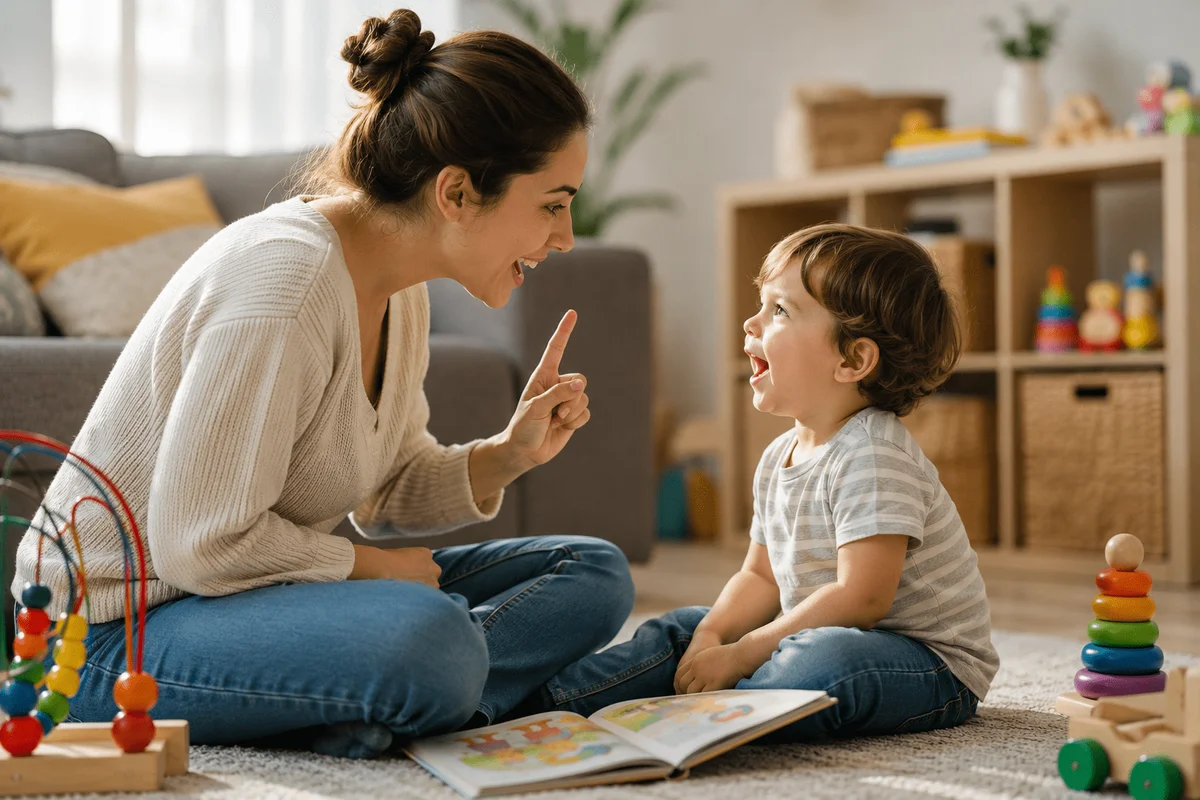
Navigating Parental Roles: The Risks of Blurring Lines in Education
When the home turns into an extension of the classroom, family bonds can suffer. Learn to separate your role as a parent from that of an educator to protect your child's emotional well-being.

In the realm of parenting, the home should serve as a sanctuary rather than a battleground for academic achievement. When parents inadvertently transform their living spaces into extensions of the classroom, the family dynamic can suffer significantly. Many well-meaning parents adopt the role of strict educators, closely monitoring every detail of their child's homework and expressing frustration when concepts are not grasped immediately. This overlap of roles creates a constant tension that can erode familial bonds and compromise secure attachment.

The home environment must remain a place where children feel unconditional love, free from the pressures of academic performance or the fear of making mistakes on school assignments. When parents take on the responsibilities of teachers, they risk sending the message that their children's worth is tied to their grades, which can lead to chronic stress and anxiety.
The Pitfalls of Treating Home as a Classroom
A common mistake among families is viewing their children's schoolwork as a personal battle. When parental roles shift to that of evaluator or examiner, children lose their safe space at home. School already subjects children to social and academic evaluations; if they return home to the same level of scrutiny, it can create a stressful environment.
This confusion often stems from parental fears about their children's failures or from excessive self-imposed pressures within the family. By micromanaging every school task, parents hinder their children’s development of autonomy and resilience. The underlying message becomes one of incapacity, suggesting that children cannot succeed on their own.
Understanding the Difference Between Support and Supervision
Supporting a child through positive discipline means being present, providing an appropriate environment, and validating their emotions during academic challenges without taking control of their learning process. In contrast, supervision involves taking over homework, correcting mistakes before teachers see them, and rewarding or punishing based on daily performance.
Mistakes are a crucial part of learning. When parents submit flawless assignments achieved through their children's distress, they deprive teachers of essential insights into what the child truly understands and where they may need additional support.
Strategies to Reclaim Your Role and Strengthen Family Bonds
To restore harmony at home and clarify roles, parents can implement several changes in their after-school routines:
- Create an independent workspace: Designate a specific area in the house where your child can complete homework independently. Stay nearby for occasional support but avoid hovering.
- Encourage self-assessment: Rather than marking errors with a virtual red pen, ask reflective questions like "Have you checked the second column?" or "Does this result seem correct to you?".
- Allow natural consequences: If your child forgets a notebook or chooses not to finish an assignment after sincere effort, let them face the consequences at school. The discussions that arise with teachers and the lessons learned from responsibility are far more valuable than shielding them from discomfort through family disputes.
- Communicate with the school: If the volume or complexity of homework exceeds your child's emotional management capacity, leading to daily conflicts, it is essential to schedule a meeting with the teacher. Approach the situation openly to seek collaborative solutions without fear of judgment.
Ultimately, the primary role of a parent is to provide emotional support, guidance, and unconditional love. While academic content may evolve over time, the need for a safe haven at home remains constant.