
The Heart Diary: How to Help Children Express Their Emotions
Not all children easily talk about what they feel — but almost all love to draw, color, and write. Here’s how to use it.
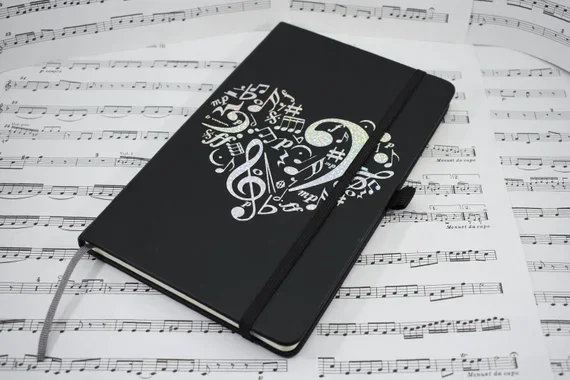
Not all children easily talk about what they feel — but almost all love to draw, color, and write. Here’s how to use it.
"How was school?" — "Good." End of conversation. If you recognize this dialogue, know that it’s not indifference: it’s simply that many children do not yet have the tools to translate their emotions into words.
The Heart Diary is a simple, concrete, and surprisingly effective tool to help them do this — at any age, at any writing level.
What is the Heart Diary?
It’s not a traditional diary. It has no rules or fixed form. It’s a personal space — a notebook, a journal, or even bound sheets — where the child can express how they feel through drawings, colors, words, symbols, and cutouts.
The goal is not correct writing or deep reflection: it’s to provide an outlet for emotions in a safe and non-judgmental way.
Why It Works
Externalizing emotions — even just by drawing them — activates a processing mechanism that reduces emotional intensity. Children who learn to "name and shape" what they feel develop:
- Greater emotional awareness
- Better stress regulation
- Easier communication with adults
- Reduction of aggressive or reactive behaviors
How to Introduce It at Home
Start Yourself
Buy a notebook for yourself and use it alongside the child. "I’ll write about how I felt today, you can draw how you felt." Modeling always works better than imposing.
No Fixed Rules
They can draw, write, paste photos, or doodle. The only rule is that it’s theirs — no one else reads it without permission.
Offer Simple Prompts
During moments of block, offer a prompt: "Draw the best moment of today," "What color was your day?", "What did your heart do today?"
Respect the Secret
The diary only works if the child knows it’s a private space. Don’t read it secretly and don’t ask to see it: wait for them to share it spontaneously.
Variants for Different Ages
- 2-4 years: “My Feelings Book” with only images and colors
- 4-7 years: drawings with one word or a short phrase
- 7-10 years: a mix of drawings and free writing
- 10+ years: reflective writing, poetry, collages
✅ What You Can Do Starting Today
- Buy a nice notebook (let the child choose)
- Introduce the activity without pressure: "Would you like to try?"
- Use simple prompts as a starting point
- Create a fixed moment (e.g., after dinner, before bed)
- Always respect the diary’s privacy
Unexpressed emotions do not disappear: they transform. Giving children a safe space to feel and name them is one of the most precious gifts we can offer — and it only requires a notebook and a few colored markers.