May and Allergies: How to Adapt the Routine When Nature Blooms
May is the month of the most intense pollen: here’s how to protect allergic children without giving up outdoor life.
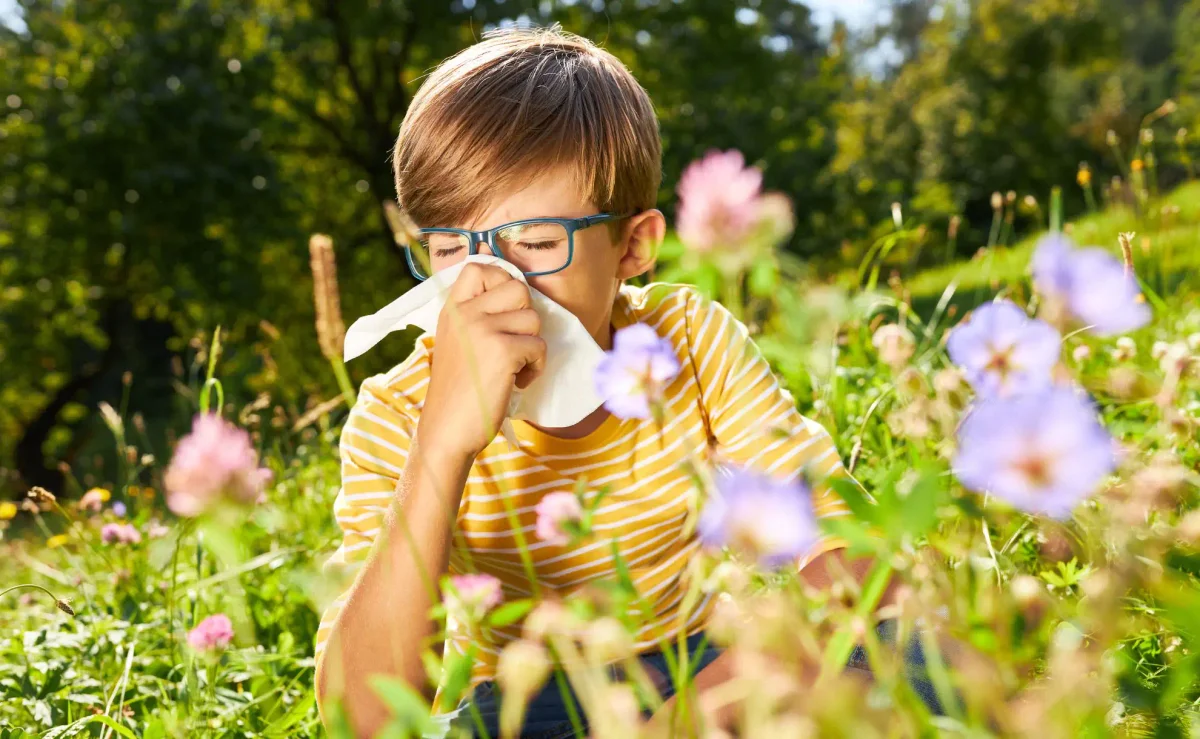
May is the month of the most intense pollen: here’s how to protect allergic children without giving up outdoor life
Every year, since my daughter was diagnosed with grass pollen allergy, May is the month I face with a mix of excitement and apprehension. The greenery is beautiful, the air is warm, and the children want to be outside — but the pollen levels are at their peak.
With the right strategies, however, May can be fully enjoyed even for allergic children. It’s not about giving up, but about adapting.
Why May is the Most Critical Month
In Italy, May marks the peak of the pollen season for grasses — meadow grasses, barley, and wheat. They are among the most common and potent allergens, and during this month, they reach their highest concentration in the air, especially during the central hours of the day and on warm, windy days.
How to Adapt the Daily Routine
Check the Pollen Forecast Daily
Many regions in Italy provide updated pollen forecasts. On days with high concentrations, limit outings during peak hours (10 AM - 6 PM) or choose more sheltered environments.
Prefer Early Morning or Evening Outings
In the early hours of the morning (before 9 AM) and after sunset, pollen concentration is lower. These are the best times for the park or outdoor activities.
Shower and Change Clothes Upon Returning
Pollen sticks to hair and clothes. A quick shower and a change of clothes as soon as you return significantly reduce exposure.
Sunglasses Outdoors
Not only do they protect the eyes: they reduce contact between pollen and the ocular mucosa. There are very effective wraparound models available for children.
Keep Car Windows Closed
On windy days, traveling with the windows closed and using filtered air conditioning reduces exposure during commutes.
Treatment: What to Know
Every allergy treatment should be established and monitored by a pediatrician or allergist. There are various options — antihistamines, nasal corticosteroids, specific immunotherapy — and the choice depends on the severity of the symptoms and the child’s age. Never modify the treatment without consulting a doctor.
✅ Allergy Family Checklist for May
- Check the pollen forecast every morning
- Plan outings during low pollen concentration hours
- Shower and change clothes upon returning from outside
- Keep windows closed during the central hours of the day
- Do not interrupt prescribed therapy even on “good” days
Allergies do not prevent enjoying May: they just require a bit more planning. And a child with allergies who learns to manage their condition from a young age becomes a more aware and independent adult.
⚠️ This article is for informational purposes. For managing your child’s allergies, always consult a pediatrician or allergist.