Baby's Firsts: The Milestones That Melt Parents' Hearts
Baby's firsts are those timeless moments that transform your daily life as a new mom into a collection of precious memories. Discover the milestones that touch parents' hearts.
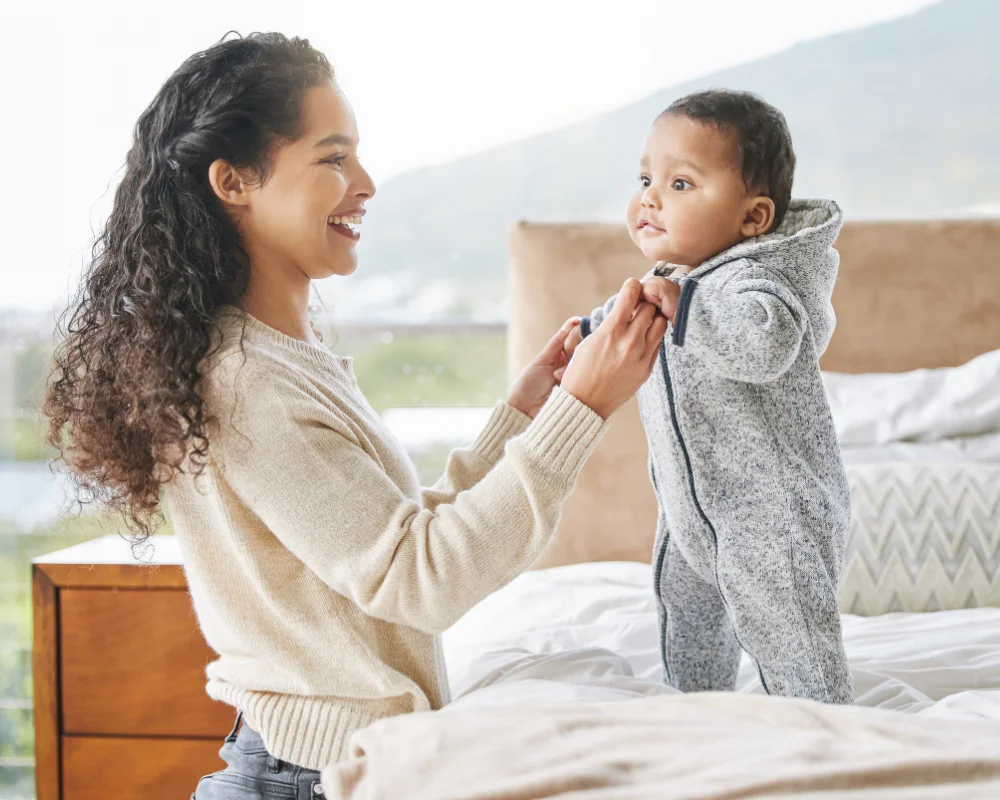

The baby's firsts are those suspended moments in time that transform your daily life as a new mom into a collection of precious memories. Their first smile that makes you melt. Their first full night of sleep that brings you to tears of relief. Their first word that makes you sob in the middle of the living room. You thought you were prepared to become a mom, but no one told you that each "first time" would shake you to your core.
This article is a sweet pause in your busy life to celebrate these little miracles of everyday life. Together, we will explore the major firsts that punctuate the first year of your baby, what they mean for their development, and most importantly, why they touch you so deeply.
Why Do Baby's Firsts Affect Parents So Much?
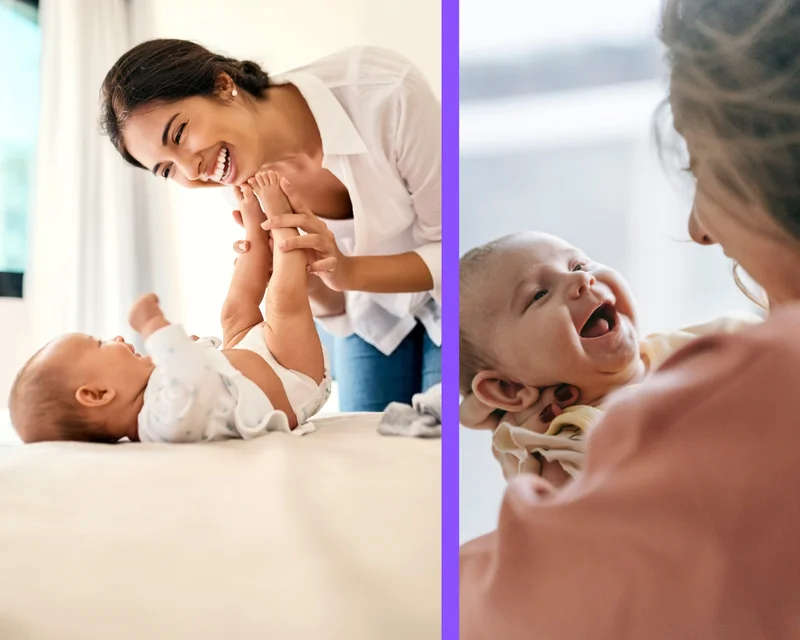
Before diving into the list, one thing must be understood: if these moments make you cry, it’s completely normal and even biologically programmed.
As explained by the reference site Naître et Grandir, when a little one accomplishes an action for the first time or crosses a new milestone, it’s like a performance: their parents applaud. These encouragements help the child grow. But these moments do not just help the baby grow; they also transform you as a mom. Each first time is proof that you are up to the task, that your baby is growing well, and that everything you do (the sleepless nights, the diapers, the difficult breastfeeding, the anxieties) serves a beautiful purpose.
Every Baby Has Their Own Pace
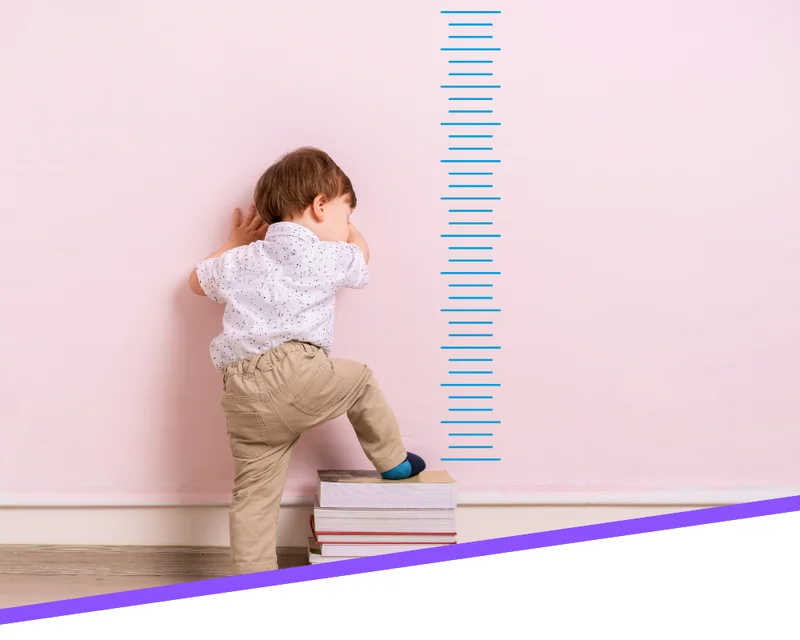
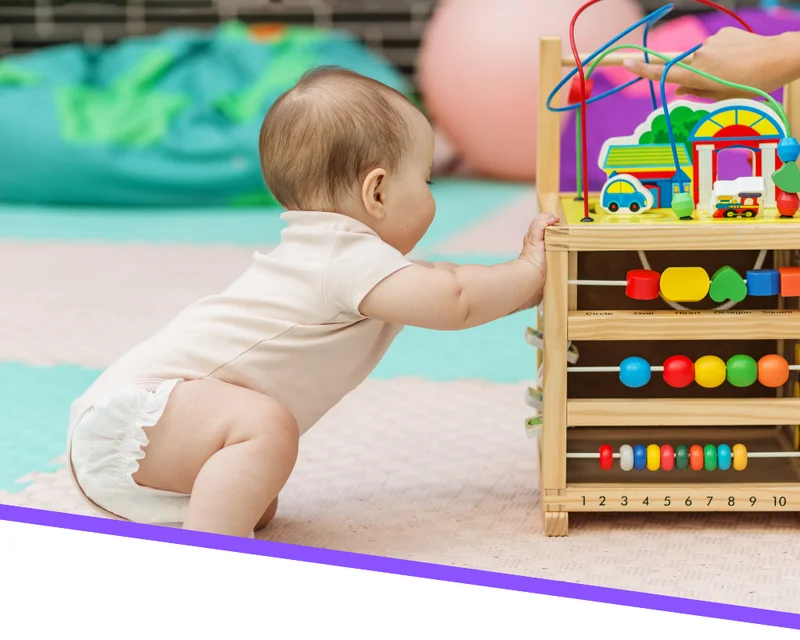
It’s important to remember this above all: your baby is neither ahead nor behind; they are just themselves. Marie-Ève Brabant, cited by Naître et Grandir, kindly reminds us: every child is unique and develops at their own pace. This depends, among other things, on their temperament and the stimuli offered in their environment. For example, some children will walk quickly and talk later without it being a problem. A child who lives in a warm and secure environment generally has everything they need to develop normally.
The ages I will provide are averages, not rules. If your baby smiles at 8 weeks instead of 6, they are perfectly fine.
The First Smile: Baby's First True Declaration of Love
This is probably the most anticipated first moment for new parents. And for good reason: it’s the first sign that the baby recognizes you, interacts with you, and expresses, "thank you for being my mom" in their own way.

Differentiating Between Reflexive and Intentional Smiles
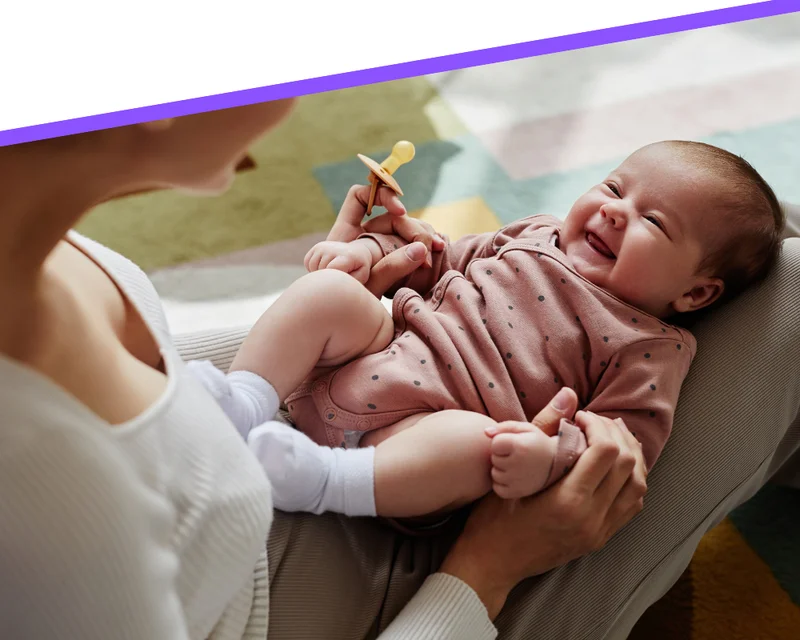
In the first few weeks, your baby is already smiling. But these are not yet true smiles of joy. As explained by the French pediatric reference site mpedia.fr, your baby smiles at you from the first hours of their life… This is referred to as "smiling at angels." This reflexive smile indicates their well-being. But soon, they will smile at you intentionally, seeking your smile in return.
These angelic smiles are what you see when the baby is sleeping and their lips stretch magically. It’s cute, but it’s not yet "for you." The real first smile, the one that will make you melt, comes later.
The Age of the First True Smile
The site Enjoy Family provides a precise timeline: the first intentional smile appears on average around 6 weeks, when the baby’s brain becomes capable of simple social interactions. Before this, smiles are reflexive and linked to well-being. By 2 to 3 months, the smile becomes social, selective, and accompanied by coos.
Six weeks. Keep this number in mind. It’s the average, and it’s perfectly normal for it to happen a little earlier or a little later.
The Magical Moment That Changes Everything
When your baby truly smiles at you for the first time, looking you in the eyes in response to your smile, it’s an indescribable moment. It’s as if all the sleep deprivation of the past weeks disappears in an instant. As poetically stated by Mont Roucous, for mom and dad, the first smile of Baby is a moment filled with happiness and tenderness.
This first smile marks the official beginning of your relationship as a pair. Before, you were "the one who feeds, changes, comforts." From now on, you become "the one who makes them smile."
Other Major Baby Firsts to Celebrate
After the first smile, the firsts come in rapid succession. Here are the key milestones to savor in the first year.
The First Belly Laugh (Around 4 Months)
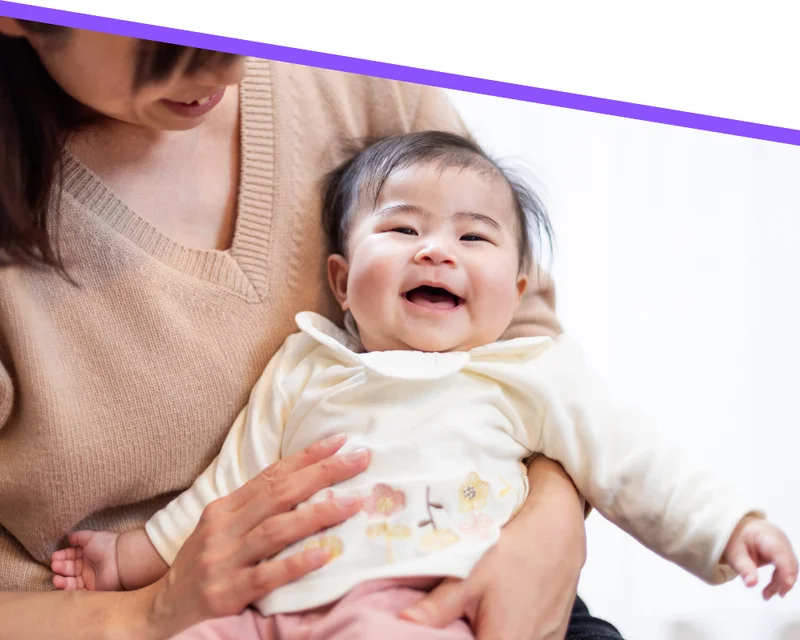

It’s even more magical than the smile. This first laugh, which comes out of nowhere when you tickle their little feet or make a silly face, marks the beginning of shared humor between you.
As Pioupiou Cosmetics points out, laughter typically emerges around 4 months. Each milestone corresponds to an evolution in their emotional development and ability to interact with their environment.
You will do ridiculous things to hear that laugh over and over again. And that’s normal.
The First “Areu” and First Cooing (Around 2-3 Months)
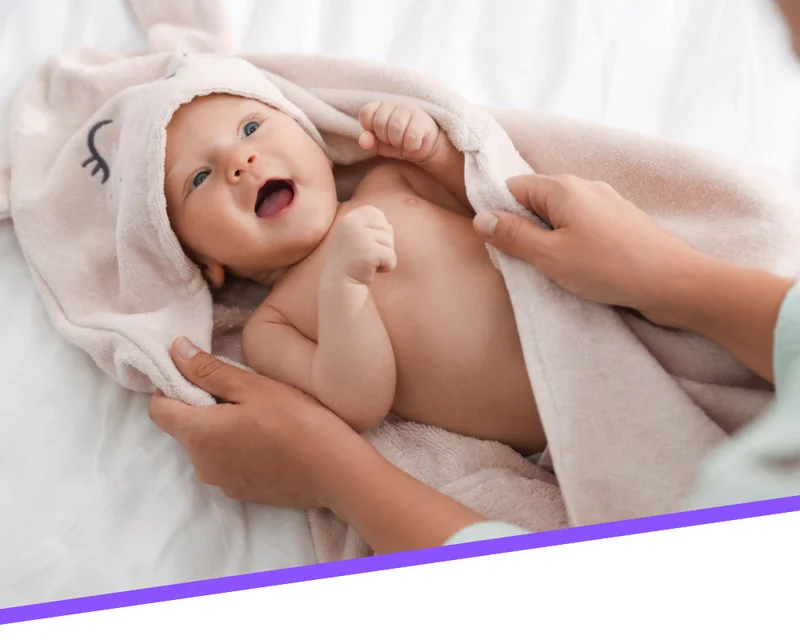

When the baby starts to make their first voluntary sounds, it’s the beginning of dialogue. You talk to them, they respond with funny sounds, you reply, and a real exchange begins.
These coos are the foundation of the language that will come later. The more you talk to your baby, the more you look them in the eyes when you speak, and the more you respond to their sounds, the more you nurture their linguistic development.
The First Time They Hold Their Head Up Alone (Around 3-4 Months)
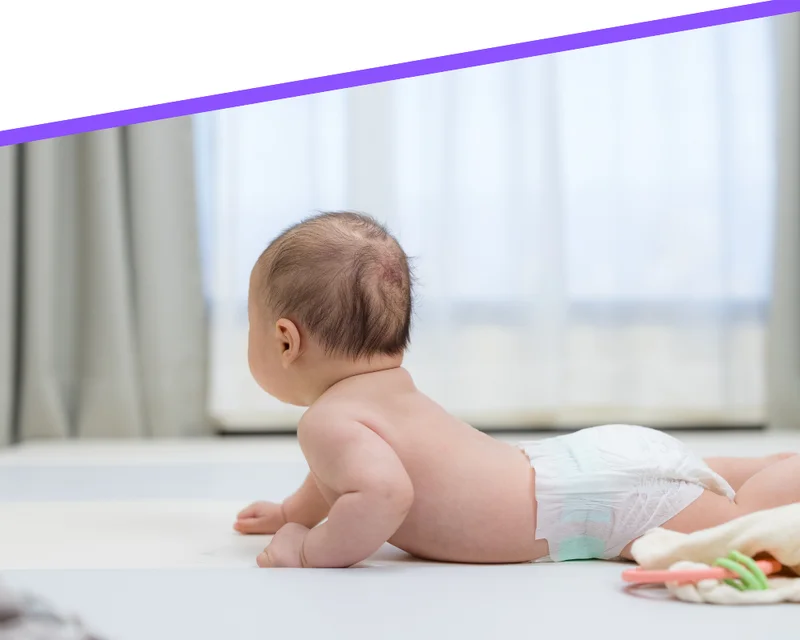
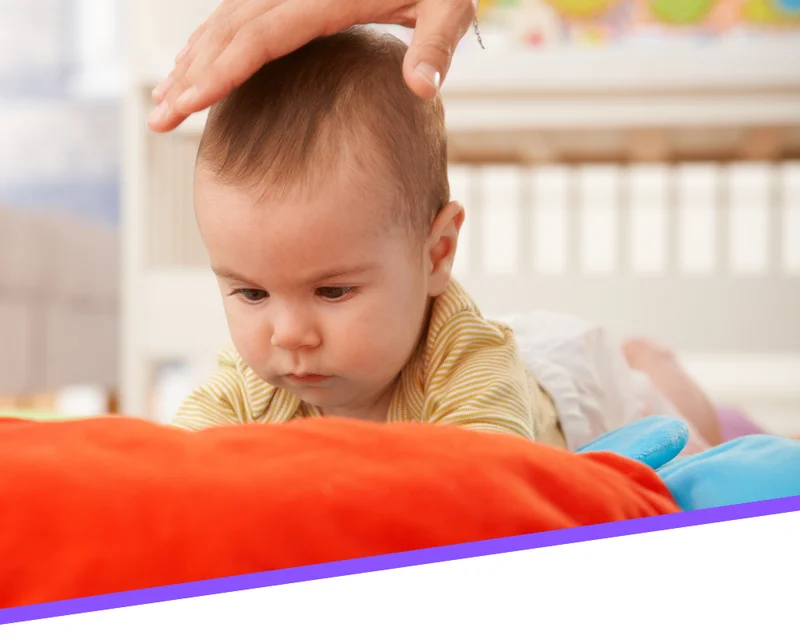
This may seem like a trivial milestone, but it marks a significant turning point. Before, you had to support their head with every movement. Once they can hold it up on their own, you can carry them differently, lay them on their tummy to play, and their field of vision expands.
It’s also the moment they begin to observe the world around them with genuine attention.
The First Roll Over (Between 4 and 6 Months)
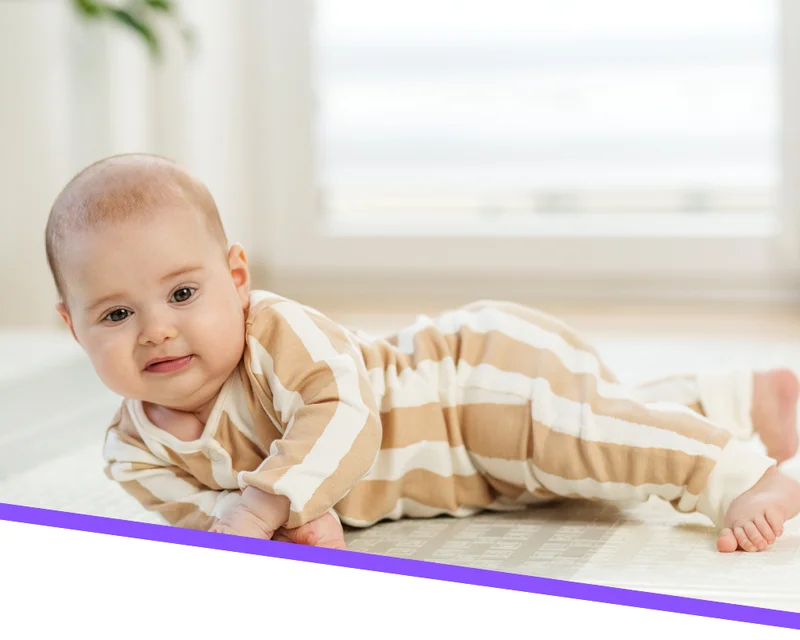
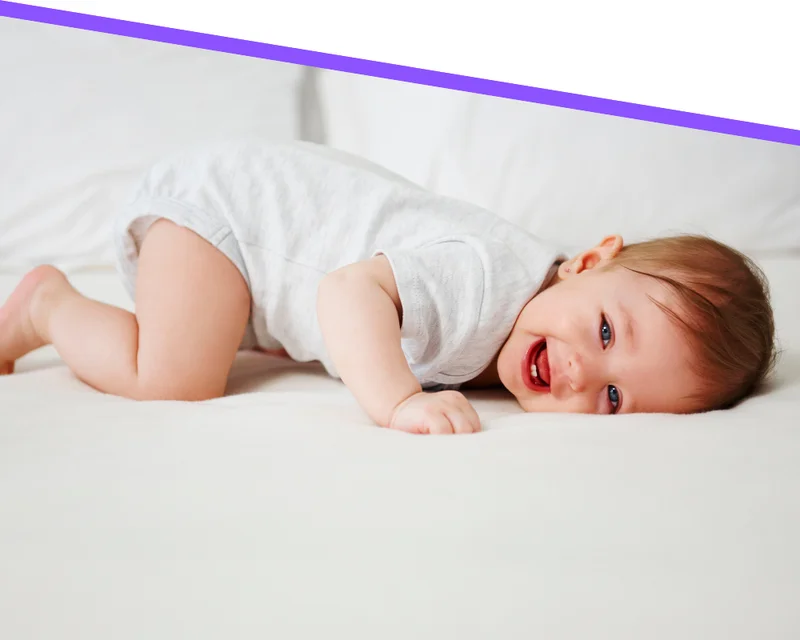
You lay the baby on their back, turn around for just a second to grab a cloth, and bam, they’re on their tummy. The first time, it’s wonder. The second time, it’s the anxiety of them falling off the couch.
This milestone marks the beginning of free movement. Get ready to baby-proof your home sooner than you thought.
The First Tooth (Between 4 and 8 Months)
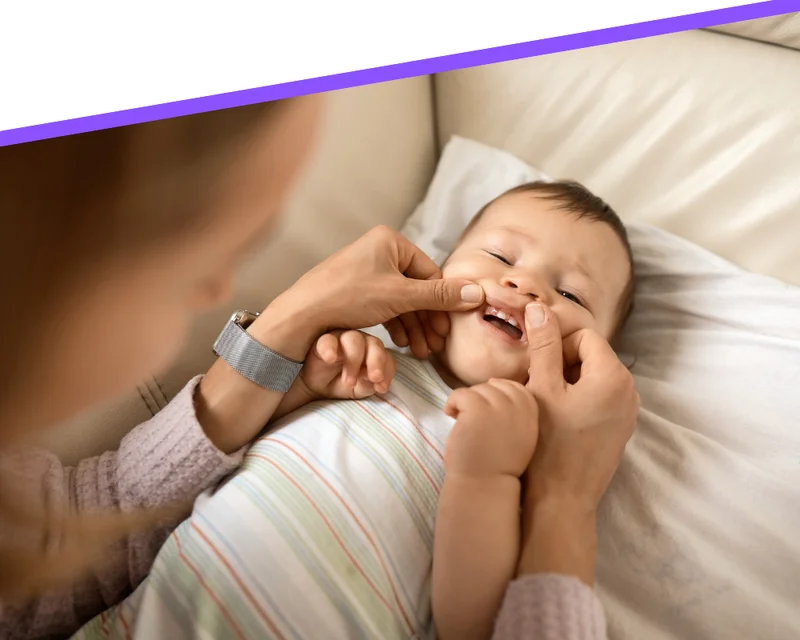
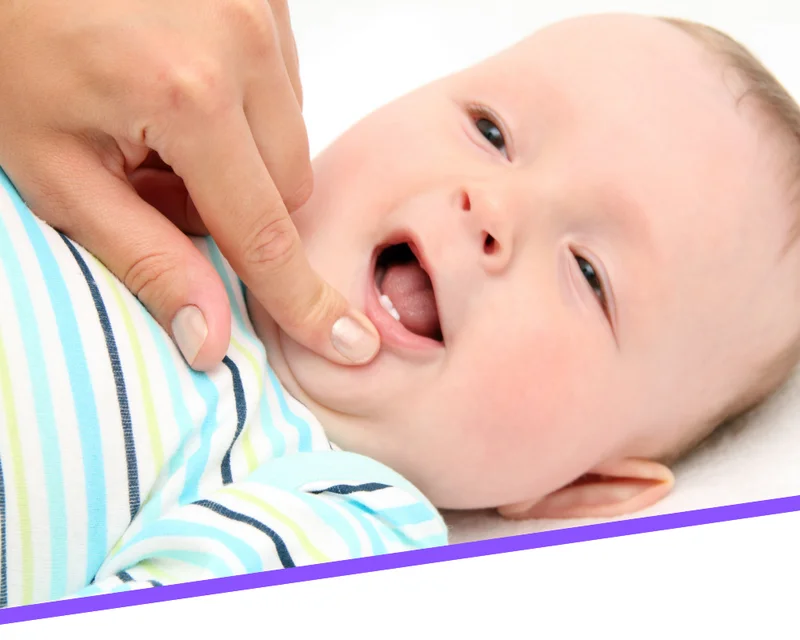
This one, we could sometimes do without. The nights leading up to the eruption are rarely restful. But that little white tooth peeking through their pink gums is just too cute. You’ll take 300 photos trying to capture it (and the baby will stubbornly refuse to open their mouth wide).
The First Unsupported Sitting (Around 6-8 Months)
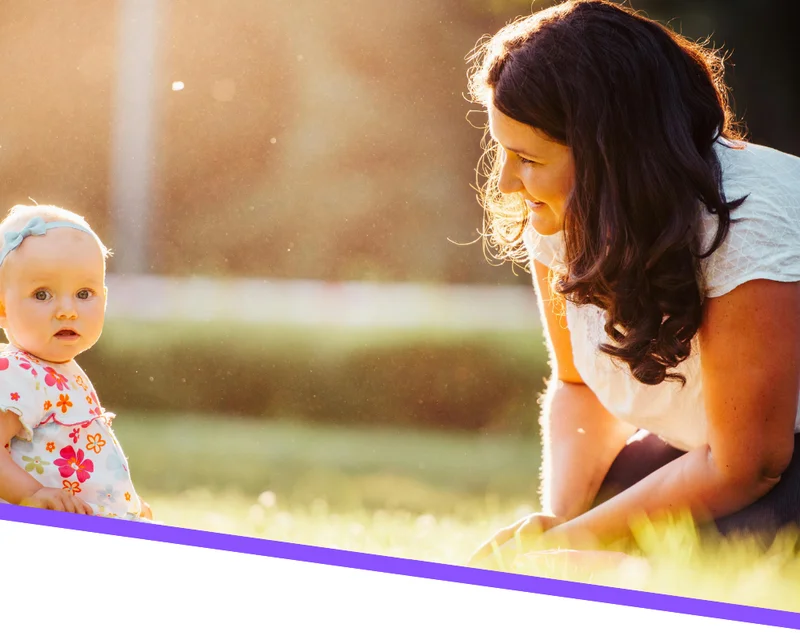
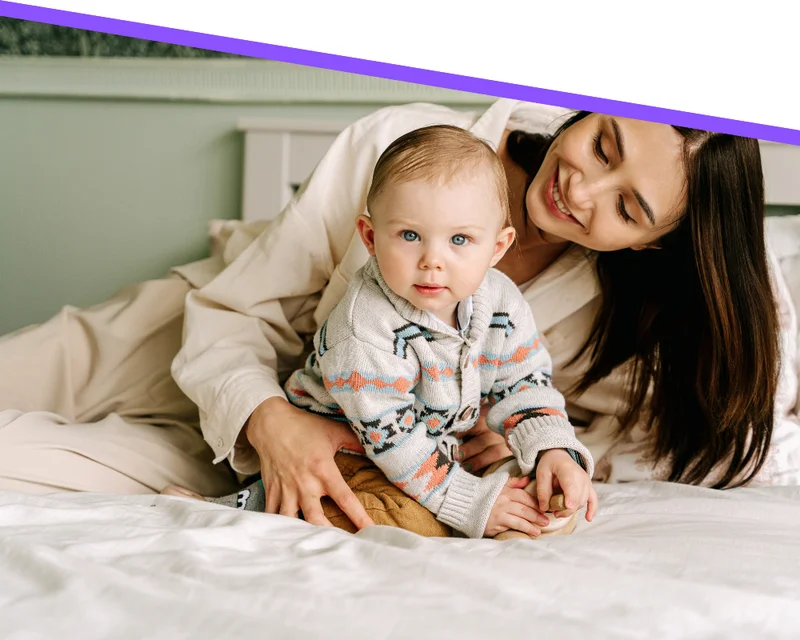
The baby is sitting up all by themselves! A real little person! This milestone opens up a new world: they can now play with their hands free, observe their environment at child height, and even start to manipulate solid foods.
The First Solid Foods (Around 4-6 Months)
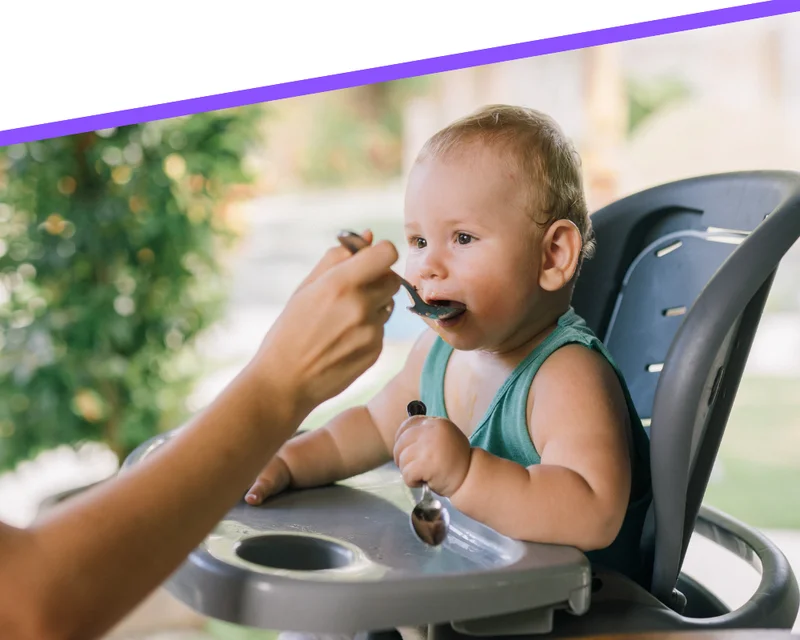
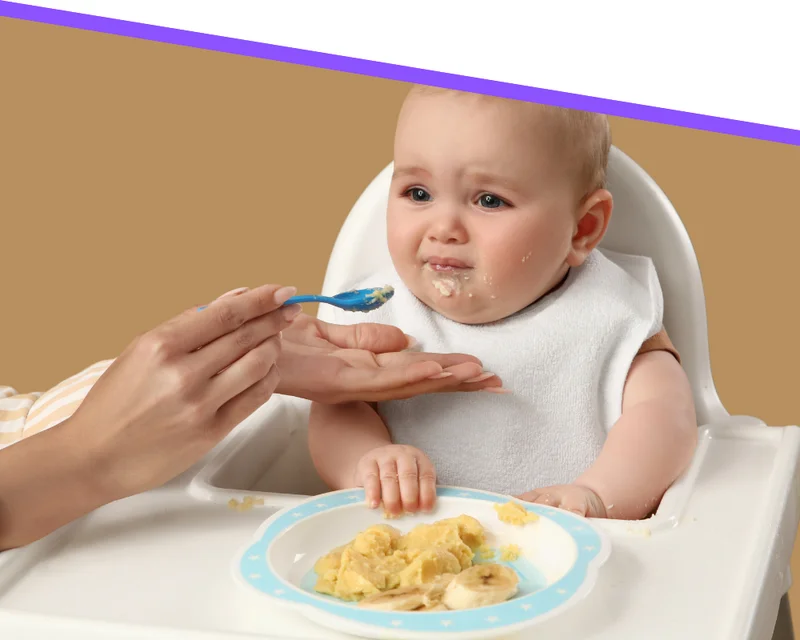
The first spoonful of puree, the first piece of ripe banana, the first bite of yogurt… Starting solids is a whole universe. You’ll discover their tastes, aversions, and hilarious grimaces in response to new flavors. Keep your phone handy; these moments are priceless.
The First Separation (Varies by Family)
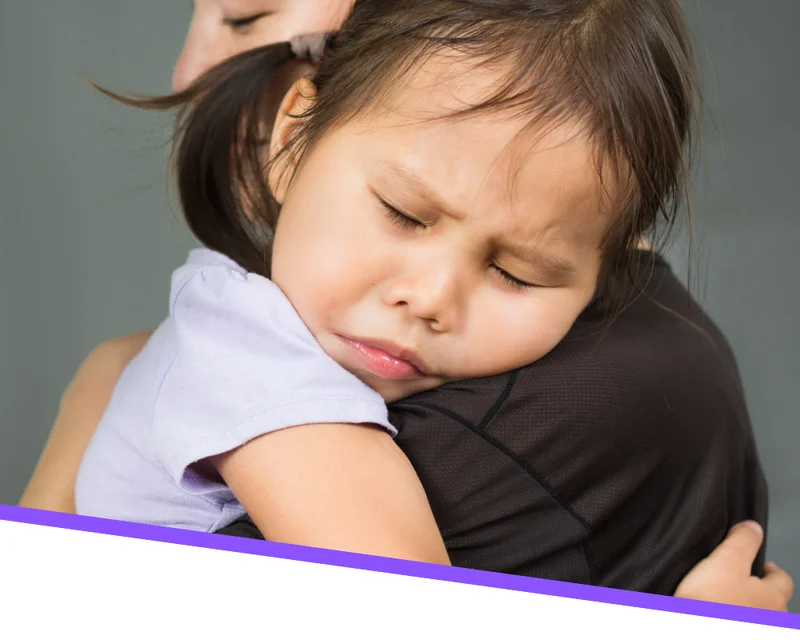
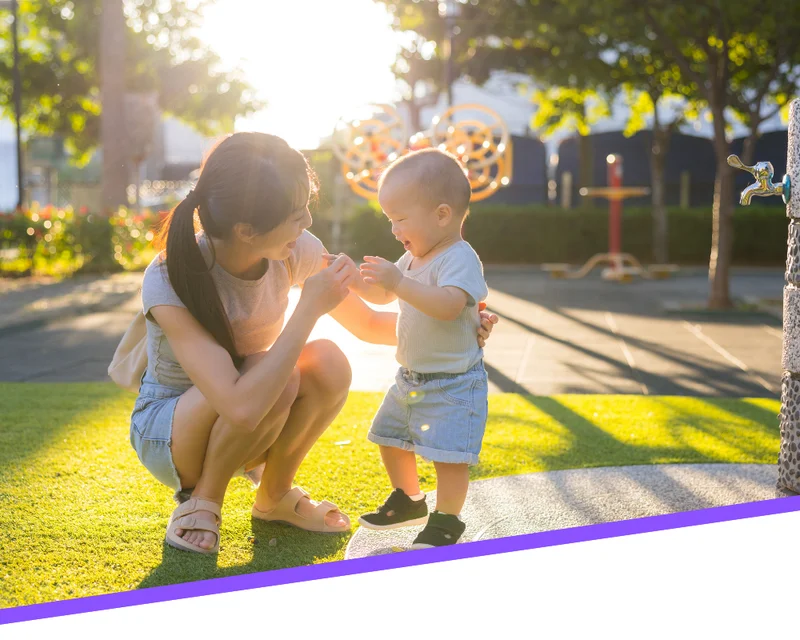
That moment when you have to leave the baby with a caregiver, at daycare, or with a grandparent for the first time. And often, the one who cries the most isn’t always the baby.
This first separation is also a first for you: the first time you will "become you again" for a few hours, along with the guilt that comes with it.
Crawling (Between 7 and 10 Months)
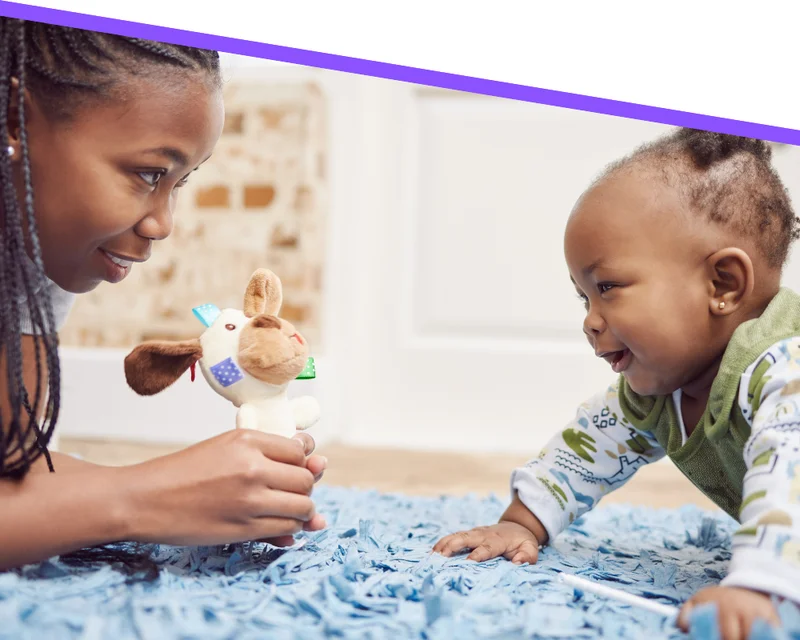
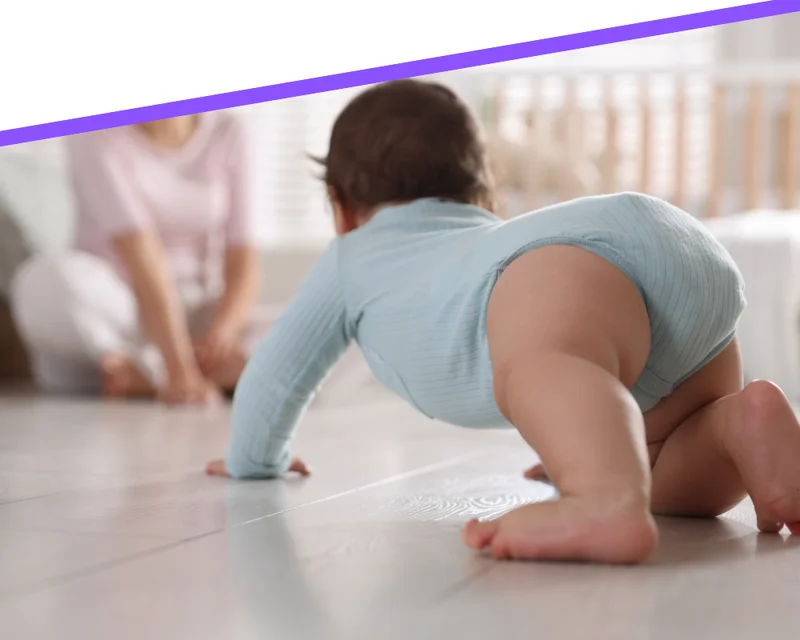
The baby begins to explore the world on their own! For some babies, crawling never happens (they go straight to walking), and that’s normal too. But for most, this is the age when you will need to barricade your home.
The First “Mama” (Between 8 and 14 Months)
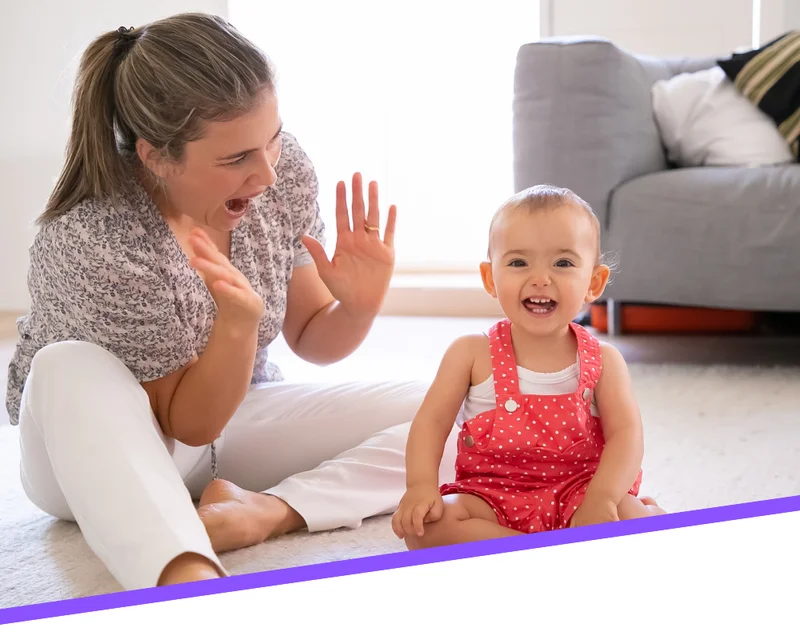
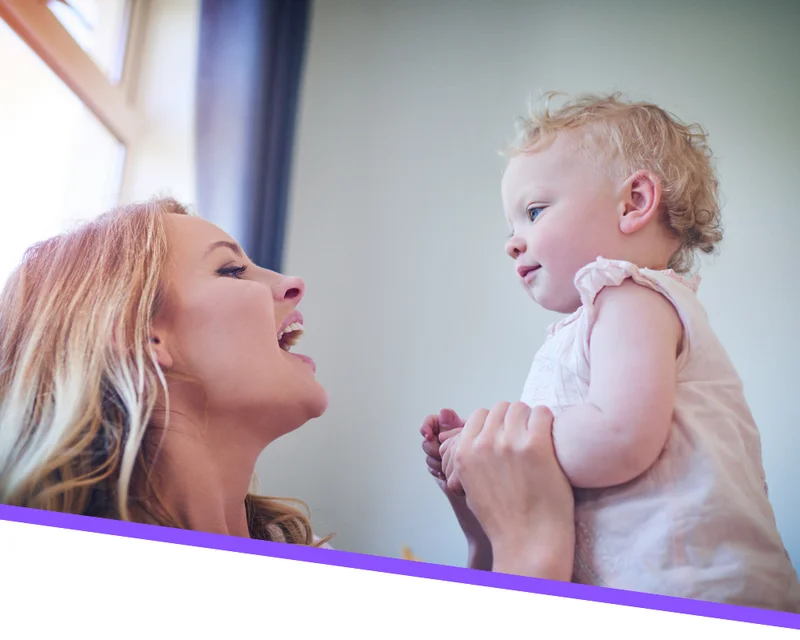
This is undoubtedly the moment that all moms eagerly await. The first voluntary “mama,” directed at you, that identifies you. Warn your partner in advance that the first “papa” will probably come first (the sounds “p” and “b” are easier to pronounce), so they won’t feel hurt.
And you, get ready to cry when “ma-ma” finally comes out of that little mouth.
The First Steps (Between 10 and 18 Months)

The quintessential milestone, the one we film, share, and recount to the whole family. Your baby taking their first hesitant, wobbly steps toward you or their favorite toy.
As Naître et Grandir reminds us, many firsts punctuate the lives of children and their parents. Each milestone brings its share of joy and emotions. And this one, particularly so.
The First Full Night of Sleep (Highly Variable Among Babies)
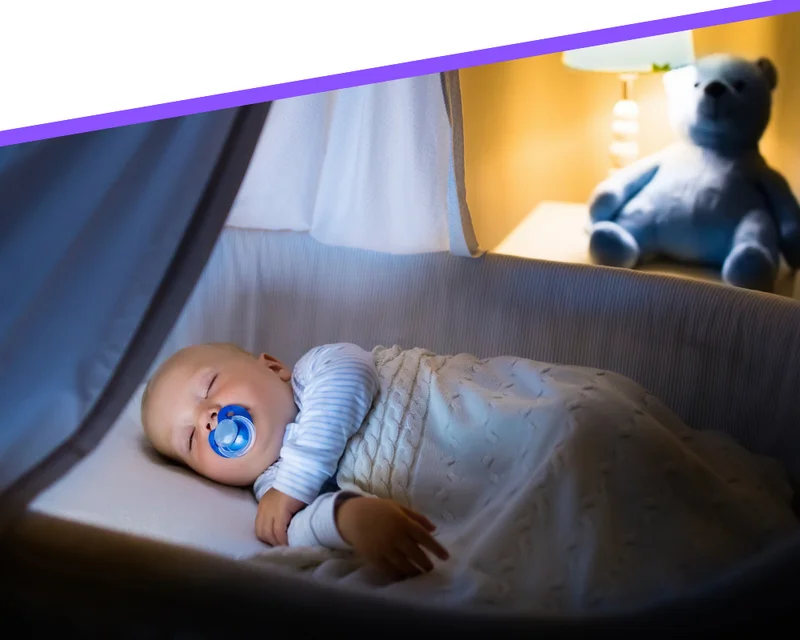
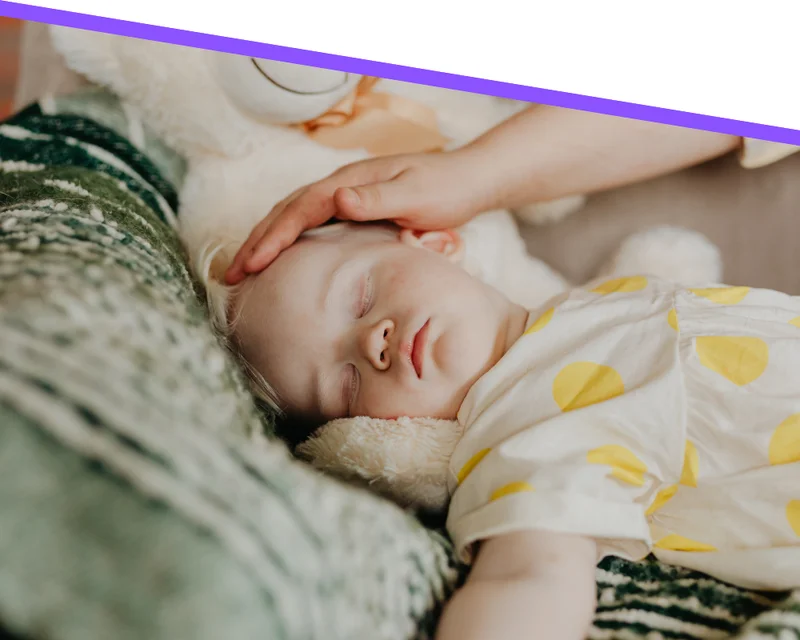
The Holy Grail for new parents. When your baby finally sleeps through the night without waking up. You wake up in a panic because you’ve slept for 7 hours straight and think something has happened. You rush to their room. They are sleeping peacefully. And then, you cry tears of relief.
For some babies, this happens at 3 months. For others, at 2 years. No need to panic or compare.
How to Capture Baby's Firsts Without Pressure
With Instagram and TikTok, there is enormous social pressure to film everything, photograph everything, and publish everything. But the real magic lies in the moment experienced, not in the publication.
Gentle Ideas to Preserve These Memories
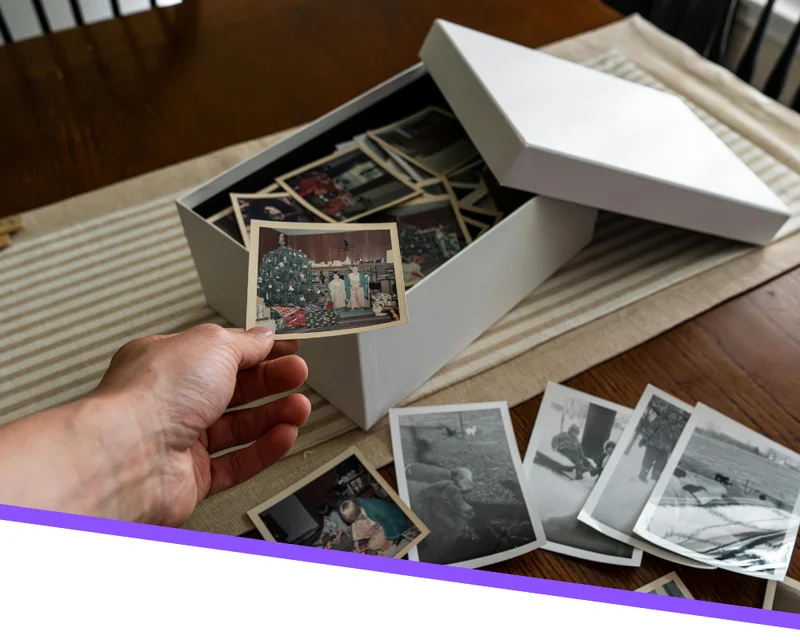
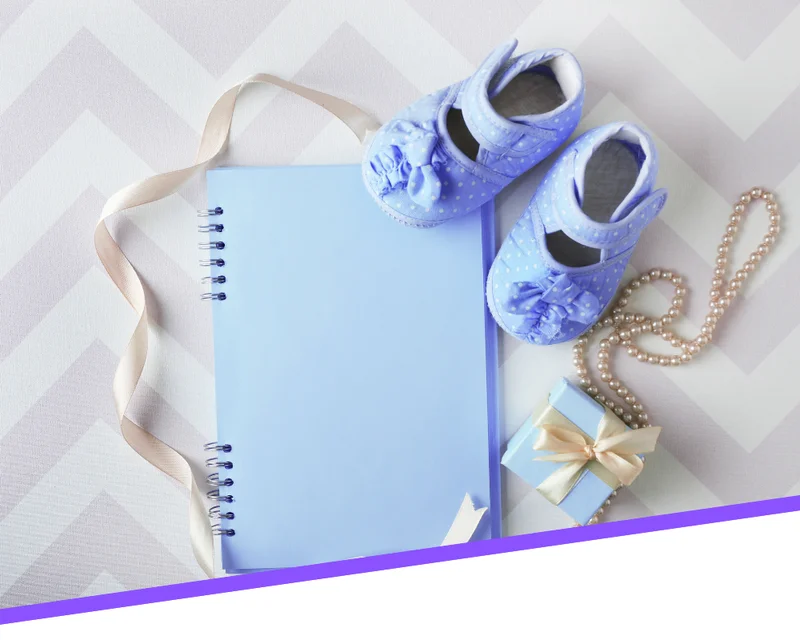
- The Firsts Journal: a little notebook where you note the date and context of each major first, with a photo if you wish.
- The Audio Capsule: record the first coos, the first laugh, the first “mama.”
- The Memory Box: the first pacifier, the first bib, the first lock of hair cut.
- The Imprints: hand and foot prints at 1 month, 6 months, and 1 year.
- Short Videos: 30 seconds is enough to capture the essence without living the moments through your screen.
- The Retrospective Announcement at 1 Year: a card summarizing the major firsts.
Don’t Fall into the Performance Trap
The trap is to compare your baby to your friend’s, your sister-in-law’s, or that mom influencer’s baby. Your baby is having their firsts at their own pace, and that pace is perfect for them.
When Baby's Firsts Are Delayed: Should You Worry?


It all depends on the milestones. Some variations are completely normal, while others warrant medical advice.
When to Consult Your Pediatrician
Seek professional advice if:
- No intentional smile by 3 months
- No head control by 4 months
- No rolling over by 6 months
- No sitting up by 9 months
- No babbling (areu, dada, mama) by 9 months
- No crawling or movement by 12 months
- No first words by 15-18 months