Reporting Child Abuse: Signs to Recognize and Steps to Follow
Reporting child abuse is a step that no one imagines they will have to take one day. Yet, it is crucial to know the signs and steps to follow to protect children in danger.
Reporting child abuse is a step that no one imagines they will have to take one day.
Yet this week, all of France mourns Lyhanna. This 11-year-old schoolgirl, who disappeared on May 29, 2026, in Fleurance, Gers, had her body found a few days later. This child, whom the system failed to protect despite previous reports against the main suspect. Like millions of mothers, you have probably cried at the images of the white march on June 7. You have likely wondered how this could happen, how we got to this point.
But beyond the emotion, there is a concrete question that each of us must ask ourselves: Would I know what to do if I suspected that a child around me was in danger? Not later. Right away. With the right words, the right numbers, the right steps.
This article is not an easy one to write or to read. But it is probably one of the most important you will read as a young mother. Because in France, a child dies every 5 days at the hands of their parents. And each of us has a role to play to make this stop.
Why Knowing How to Report Child Abuse Has Become Vital
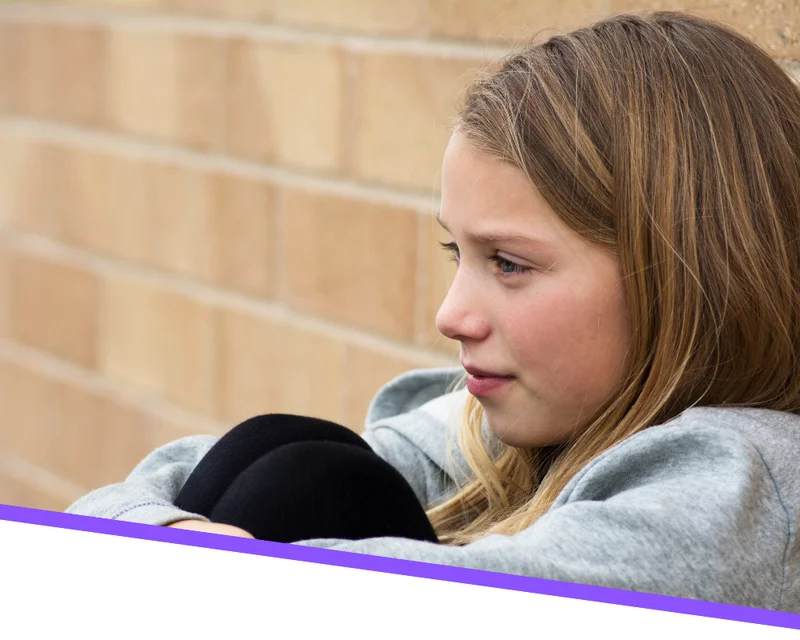
Before diving into the specifics, let’s take a moment to grasp the magnitude of the problem.
The Ministry of Justice reminds us, in the context of the aftermath of the Lyhanna case, that it has demanded a review of 70,000 complaints regarding sexual violence against minors. Seventy thousand. You read that right.
And according to an official report from the CNCDH (National Consultative Commission on Human Rights) cited in the National Assembly, at least 1 child dies every 5 days at the hands of their parents. This figure is believed to be significantly underestimated, according to the CNCDH.
Other official figures are overwhelming. The National Assembly reports: in France, surveys indicate that each year more than 150,000 children suffer physical abuse, 124,000 girls and 30,000 boys are victims of rape or attempted rape, while 140,000 children are exposed to domestic violence.
These figures are not abstract statistics. They are children who cry in silence, who flinch when touched, who dare not speak. And around them, there are often adults who have seen, who have felt that something was wrong, but who did not know what to do.
Lyhanna: A Tragedy That Could Have Been Avoided
What makes the Lyhanna case particularly unbearable is that the suspect was already known. As reported by Planet.fr, the investigation file reveals an unbearable timeline, symptomatic of an administration deaf to warnings.
Reports did not lead to action. Complaints were not followed up. And an 11-year-old girl lost her life.
This is precisely why your individual vigilance matters. Because the system fails, yes. But every well-made, well-documented, and well-transmitted report can save a life.
Before being able to report, one must know how to recognize. The signs are not always obvious, especially for psychological or sexual violence that leaves no visible marks.
Physical Signs

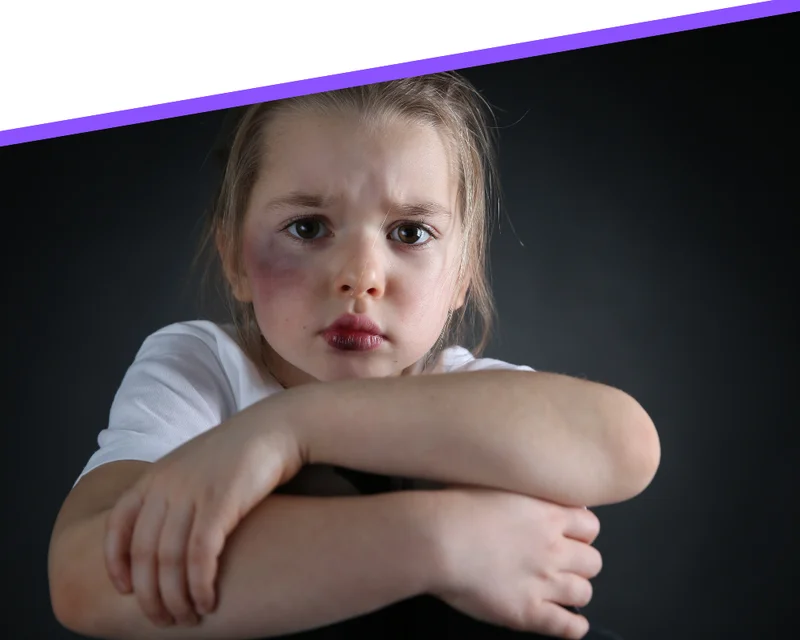
These are the most obvious, but they are often hidden or explained away by repeated “accidents”:
- Bruises, contusions, burns with explanations that do not hold up
- Marks in the shape of objects (belt, hand, cord)
- Injuries at different stages of healing (thus repeated over time)
- Unexplained fractures, especially in very young children
- Bruising in unusual areas (back, buttocks, thighs, ears)
- The child wears covering clothes in the middle of summer to hide marks
- Very poor hygiene or, conversely, excessive cleanliness
- Visible underweight, signs of malnutrition
- Flagrant delays in medical or dental care
Behavioral Signs
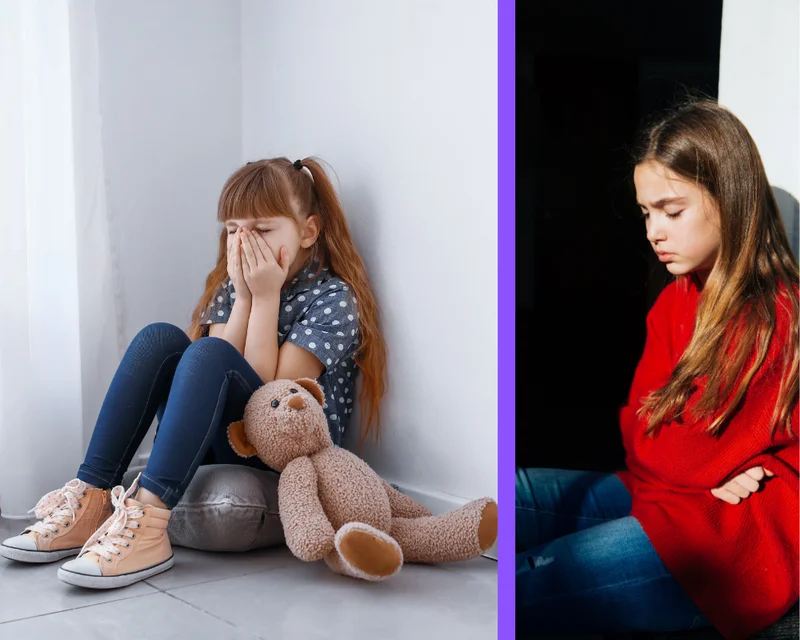
These often appear first and are the most telling:
- Excessive fear of adults or a particular adult
- The child flinches at the slightest quick movement
- Withdrawal, isolation, persistent sadness
- Regressive behaviors (starts wetting the bed again, baby talk)
- Sudden or unusual aggression towards other children
- Inappropriate sexual knowledge for their age
- Categorical refusal to go to a particular person’s house or to be alone with them
- Sleep disturbances, repeated nightmares
- Eating disorders (loss of appetite or, conversely, binge eating)
- Sudden academic difficulties, drop in performance
- Self-harm, violent or disturbing drawings
- The child runs away from home or refuses to return
Signals in Parental Behavior

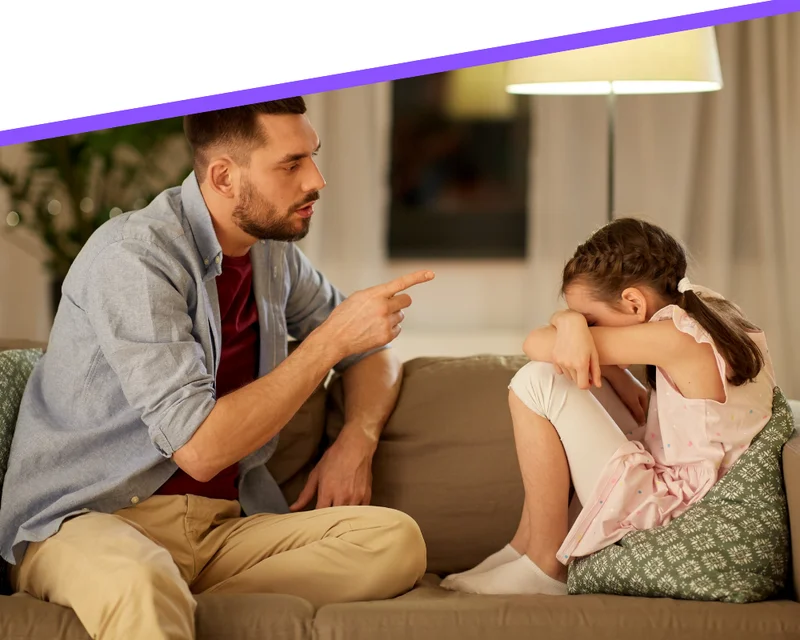
Sometimes, it is also on the adults' side that something can be detected:
- Incoherent or changing explanations regarding injuries
- Indifference to the child’s suffering
- Constant criticism, systematic humiliation of the child
- Isolation of the family from the rest of the community
- Violent or contemptuous speech about the child (“he’s doing it on purpose,” “he’s a bad kid”)
- Problematic alcohol or drug use
- History of violence in the couple or family
⚠️ Important: none of these signs taken in isolation is enough to conclude that there is abuse. It is their accumulation, their repetition, and your mother’s intuition that should alert you.
The 119: The Number You Absolutely Need to Know to Report Child Abuse
If you were to remember only one thing from this article, it would be this number: 119.
Everything You Need to Know About 119
119 is the National Telephone Reception Service for Children in Danger (SNATED). Here are the essential details:
- Free from all phones (landline, mobile, payphone)
- Available 24/7, including holidays
- Does not appear on any phone bill
- Confidential: you can remain anonymous if you wish
- Managed by trained professionals (psychologists, lawyers, social workers)
- Accessible to deaf and hard of hearing individuals via a dedicated platform
Who Can Call 119?
Everyone. Really, everyone.
- A child or adolescent who feels in danger
- A parent, grandparent, uncle, aunt worried about a child
- A neighbor who hears or sees things that alert them
- A teacher, caregiver, doctor, healthcare professional
- Any witness to a concerning situation
You do not need to be 100% sure. You do not need proof. You just need a legitimate concern.
What Happens When You Call 119?
This step worries many people who hesitate to take the plunge. Here’s what happens concretely:
- A trained listener answers as soon as possible (the wait time is usually short)
- They take the time to listen to you without judging
- They ask you questions to better understand the situation
- They assess with you the level of danger
- They decide on the next steps: advice, referral, or transmission to the relevant departmental services (CRIP)
- You have no decisions to make: they take care of everything
You can hang up at any time. You can call back later. You can give your name or remain anonymous. Your call is heard and taken seriously.
Other Channels to Report Child Abuse
119 is the primary route, but other options exist depending on the situation.
For Sexual Violence Specifically
- 3018: national line for young victims of digital and sexual violence (free, 7 days a week)
- The 3018 app: anonymous and free chat reporting
In Case of Absolute Emergency
If you are a direct witness to violence occurring or if you think a child is in immediate danger:
- 17: police emergency
- 18: fire department
- 112: European emergency number
Do not stay alone in the face of an emergency. Dial these numbers without hesitation.
Written Reporting to Authorities
For situations that are not urgent but require a formal record, you can write to:
The CRIP (Cell for Collecting Concerning Information) in Your Department
Each department has a CRIP linked to the Departmental Council. This is the official structure that receives reports and triggers social investigations. You can find the contact details on the official site allo119.gouv.fr or directly on your department's website.
The Public Prosecutor
For serious situations requiring judicial intervention, you can write directly to the Prosecutor of the nearest judicial court to the child’s home. Your letter should be detailed, factual, and sent by registered mail with acknowledgment of receipt.
If You Are a Childcare Professional
If you are a childcare assistant, educator, teacher, doctor, nurse, midwife, you have a legal obligation to report as soon as you suspect abuse. Professional secrecy does not apply in this case. On the contrary, failing to report can lead to prosecution.
How to Effectively Report Child Abuse: The Right Reflexes
Making an effective report also means knowing how to go about it. Here are the best practices.
What to Do
✅ Note the dates, locations, specific facts you have observed (a separate notebook, to keep)
✅ Describe what you have seen, heard, not what you interpret
✅ Gather your factual observations without amplifying or minimizing
✅ Keep photos if you have been able to take them legitimately (visible marks from a child confiding in you)
✅ Retain any message or testimony from the child to you or another adult
✅ Call or write as soon as possible: the shorter the delay, the faster the child can be protected
✅ Request a written receipt if you make a formal report
What Not to Do
❌ Do not conduct your own investigation: it is not your role and it may compromise a procedure
❌ Do not confront the suspected parents directly: you put the child in danger
❌ Do not make the child speak on your behalf about what they have experienced
❌ Do not spread the information to relatives or on social media
❌ Do not minimize your doubts “it may just be falls”
❌ Do not wait until you are 100% sure: it is up to professionals to investigate, not you
And What If the Child in Danger Is Your Own?
This article is aimed at all mothers who see children around them. But sometimes, the danger comes closer than we imagine. Sometimes, it is your own partner, your father-in-law, your grandfather who poses a problem. Sometimes, it is your child who tells you strange things after a visit to someone who is supposed to be close.
If you are reading these lines thinking of your own child, know that:
- You can call 119 for your own child
- You can immediately leave a dangerous environment without notice
- 3919 (domestic violence) is also competent when children are exposed
- You do not need to have “judicial” proof to protect your child.